Woodblock
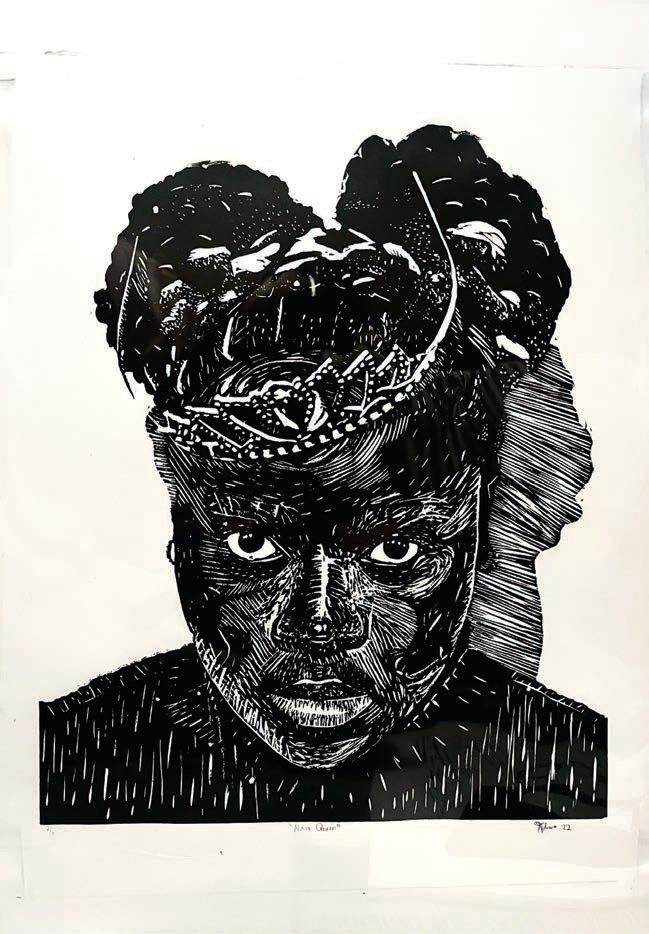
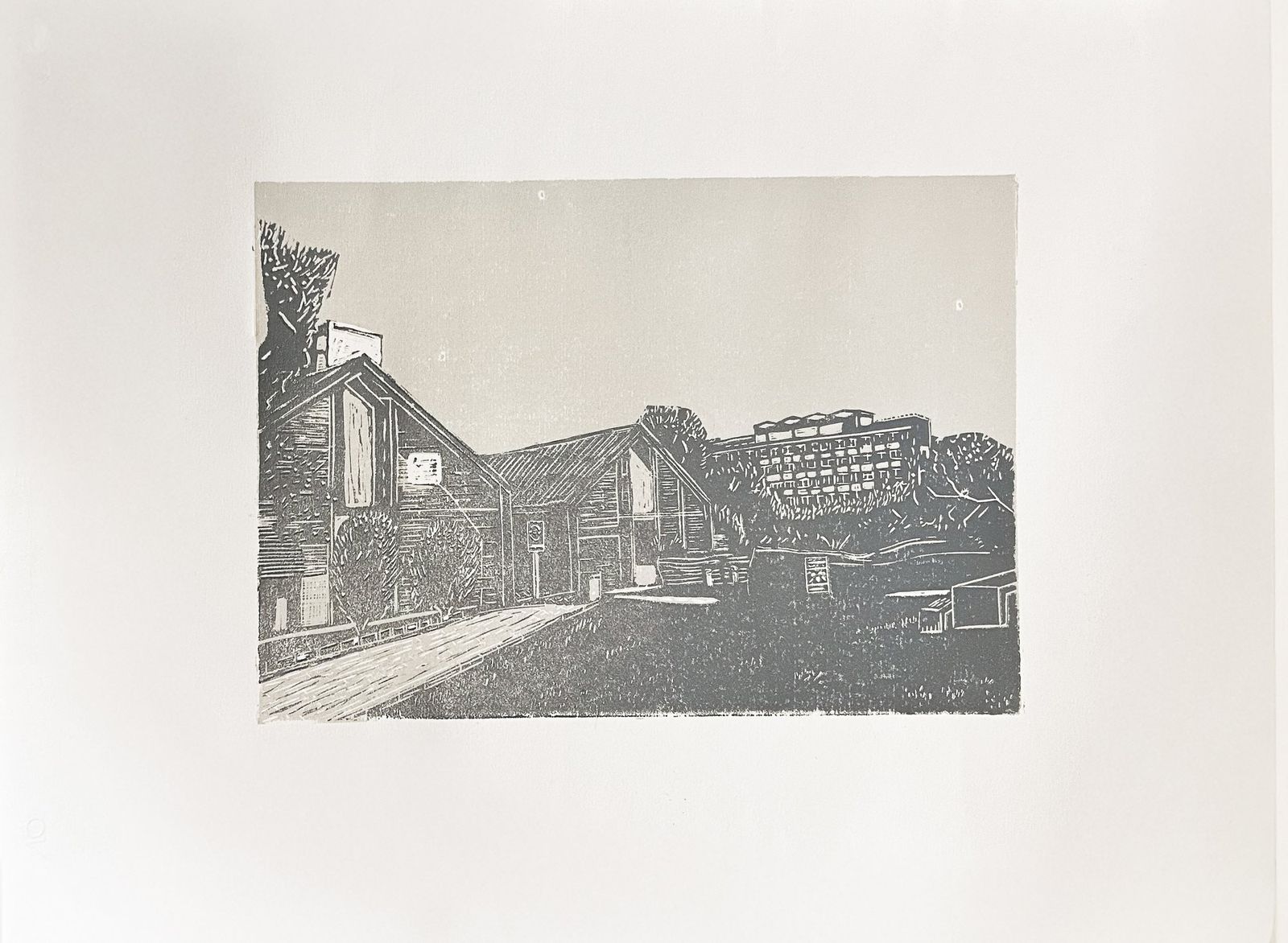
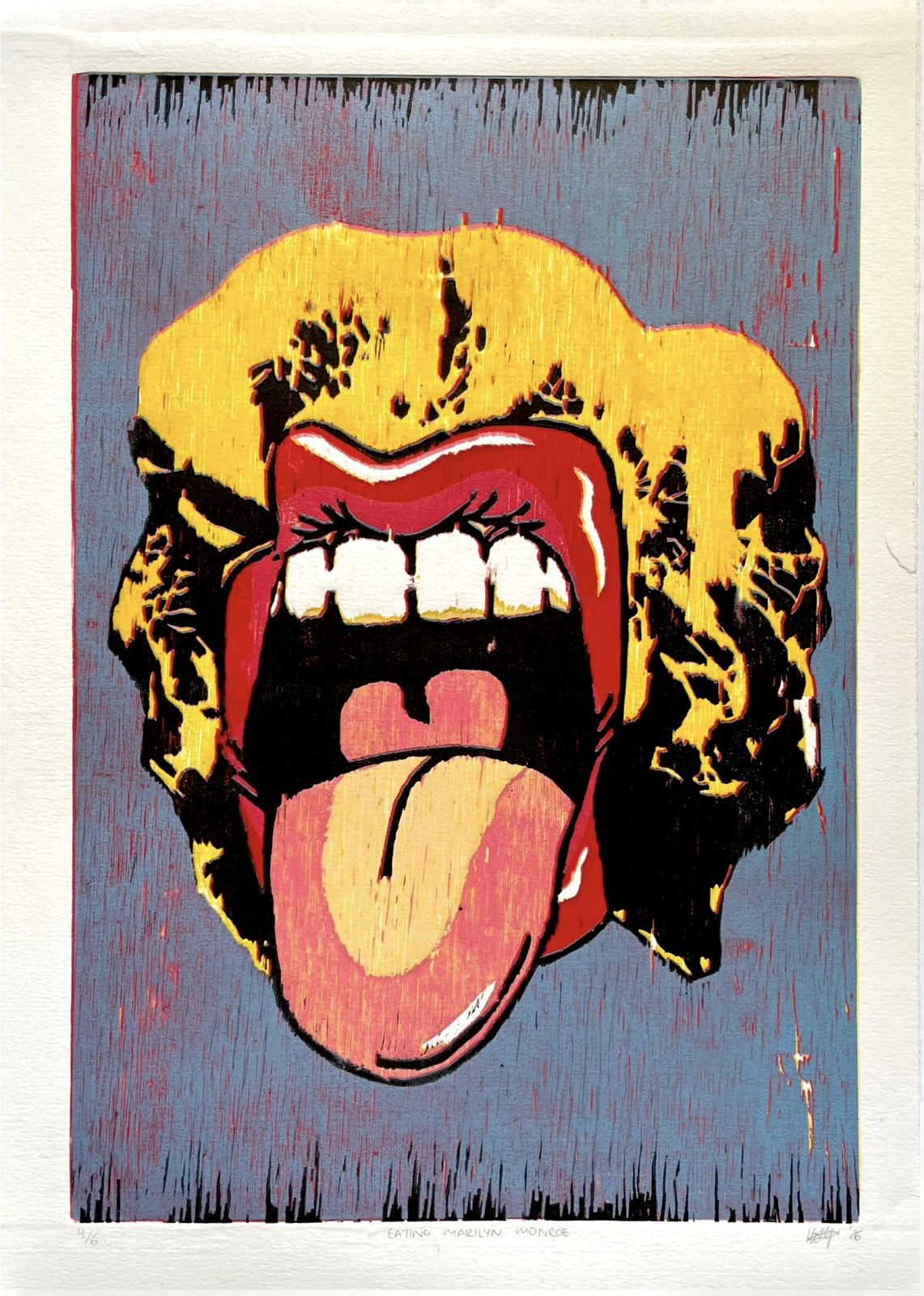
Look for the relationship between wood grain, carved marks and the printed image.
Different printmaking processes
Look for the relationship between wood grain, carved marks and the printed image.
Look for crisp edges, expressive cuts and deliberate contrasts between ink and paper.
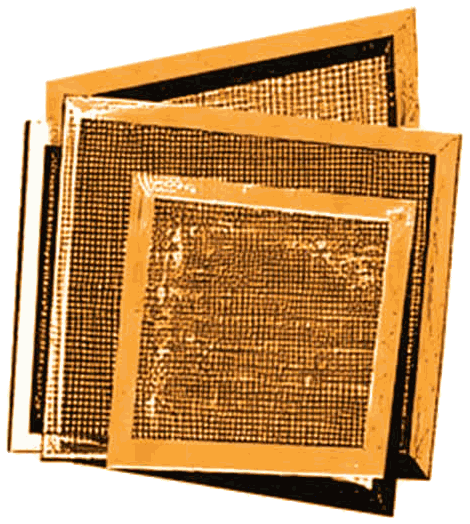
Look for overlapping colours and the alignment of successive layers.
Look for recessed-line detail, tonal depth and a plate impression where present.
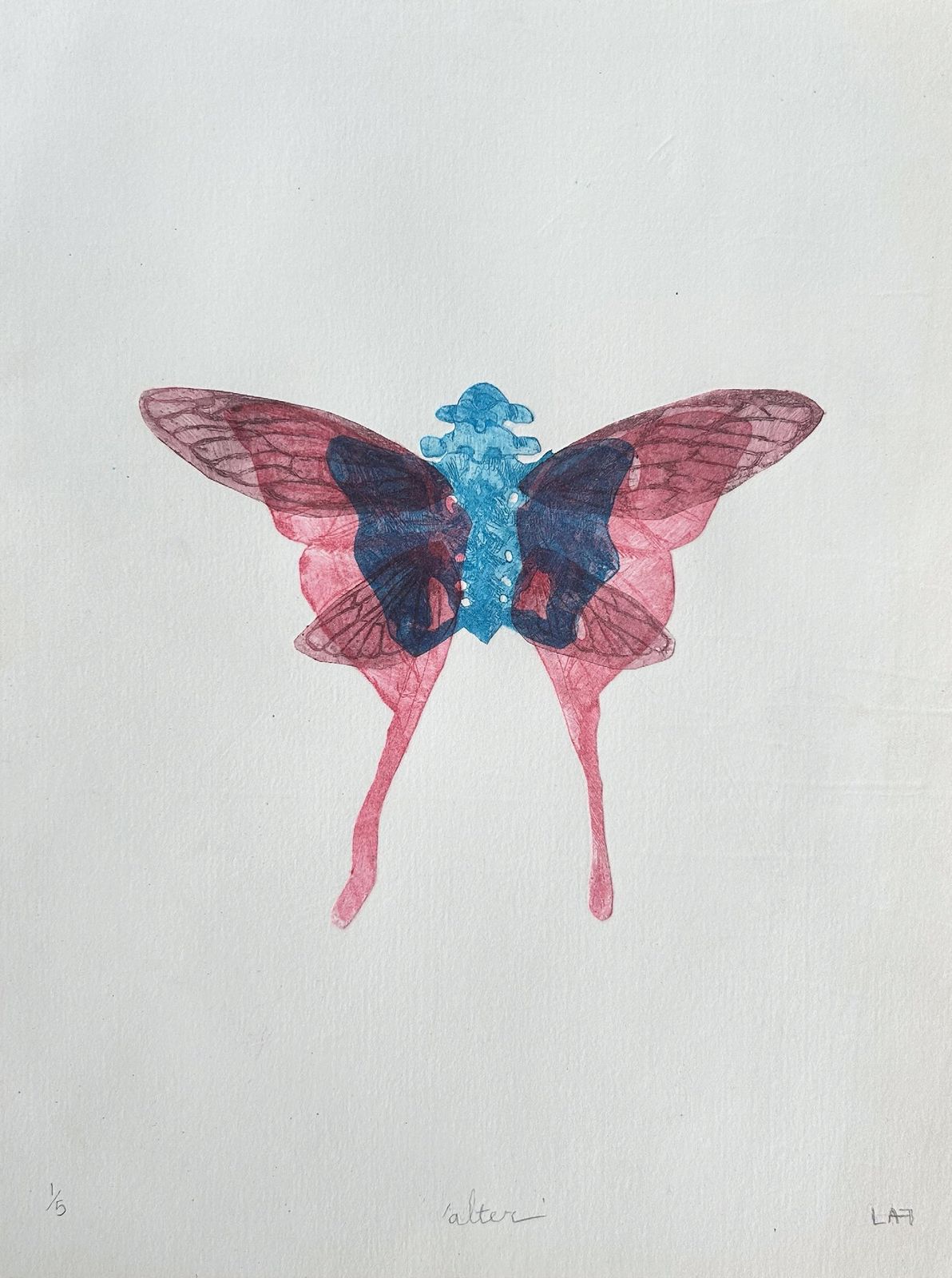
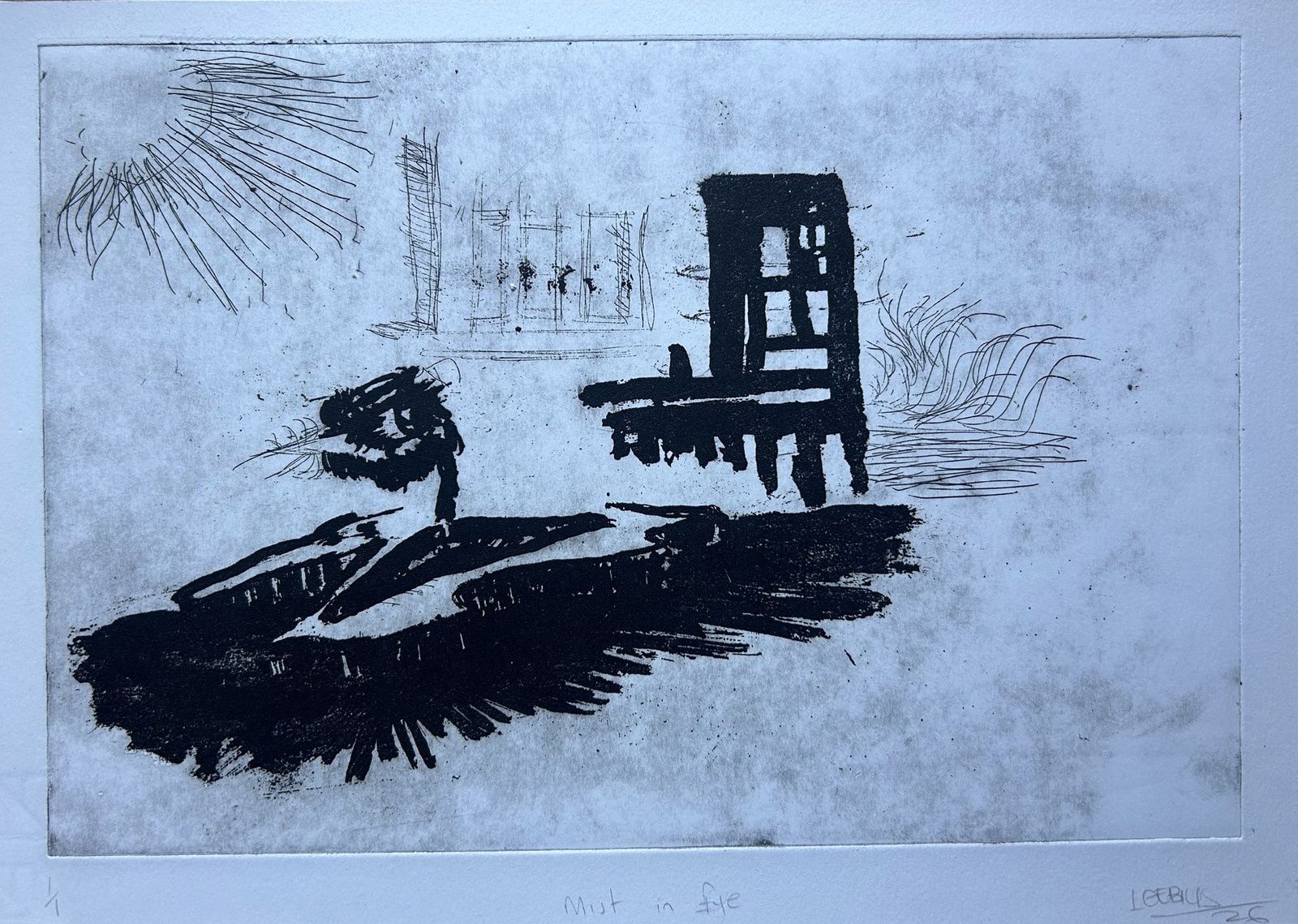
Look for fine bitten lines and the depth of ink pressed into paper.
Look for soft, velvety lines created by the burr.
Look for the softer lines and tonal character of the aluminium plate.
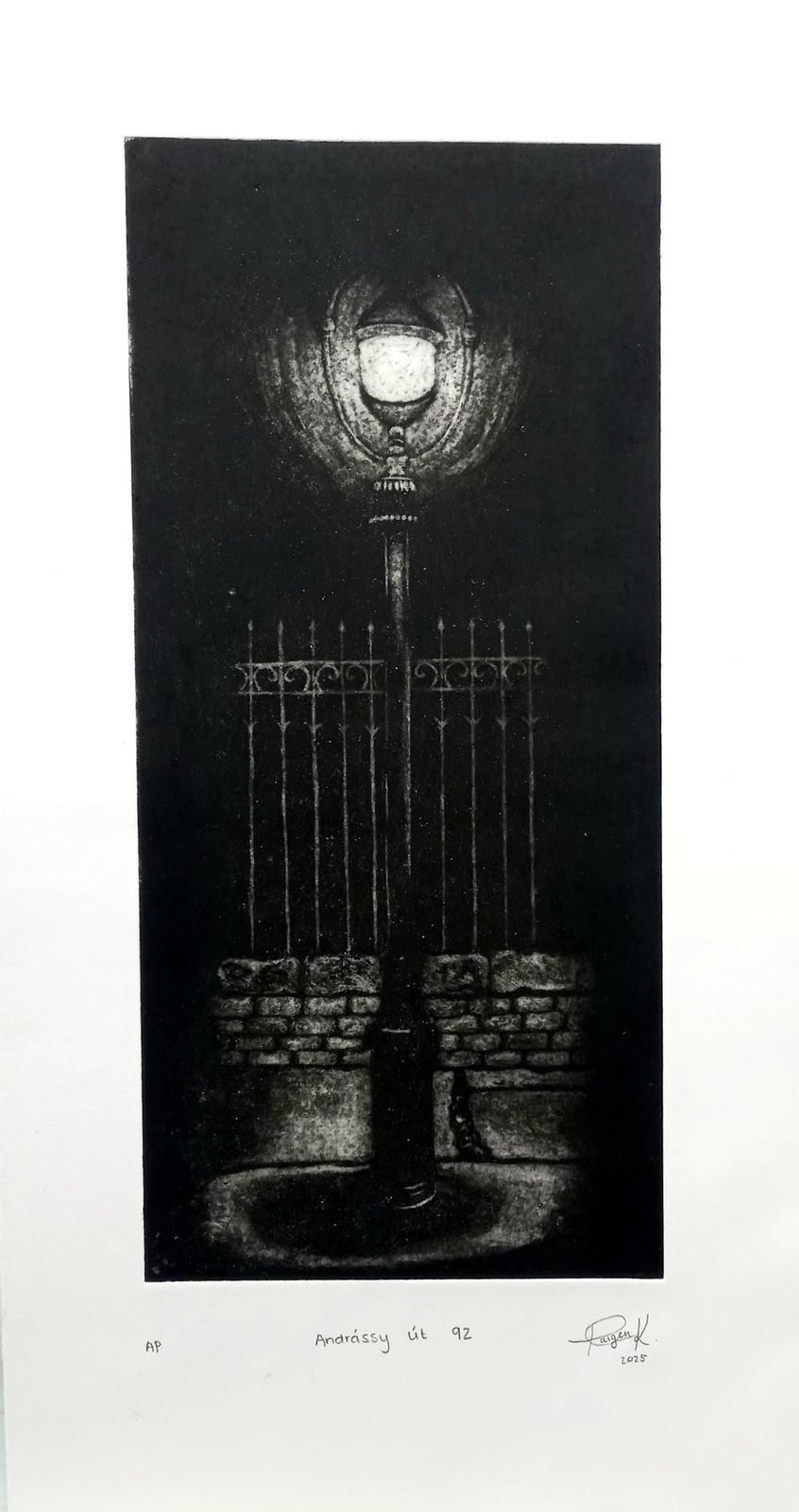
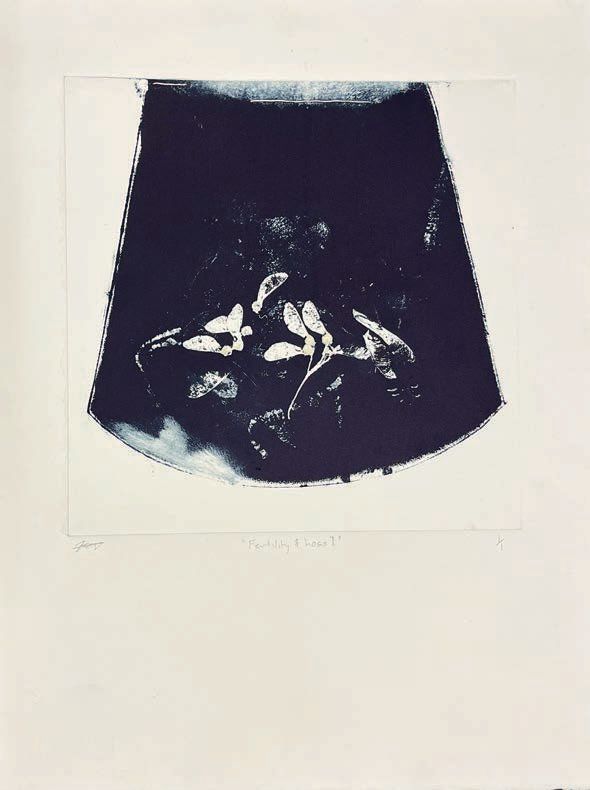
Look for luminous tonal transitions and deep, velvety shadows.
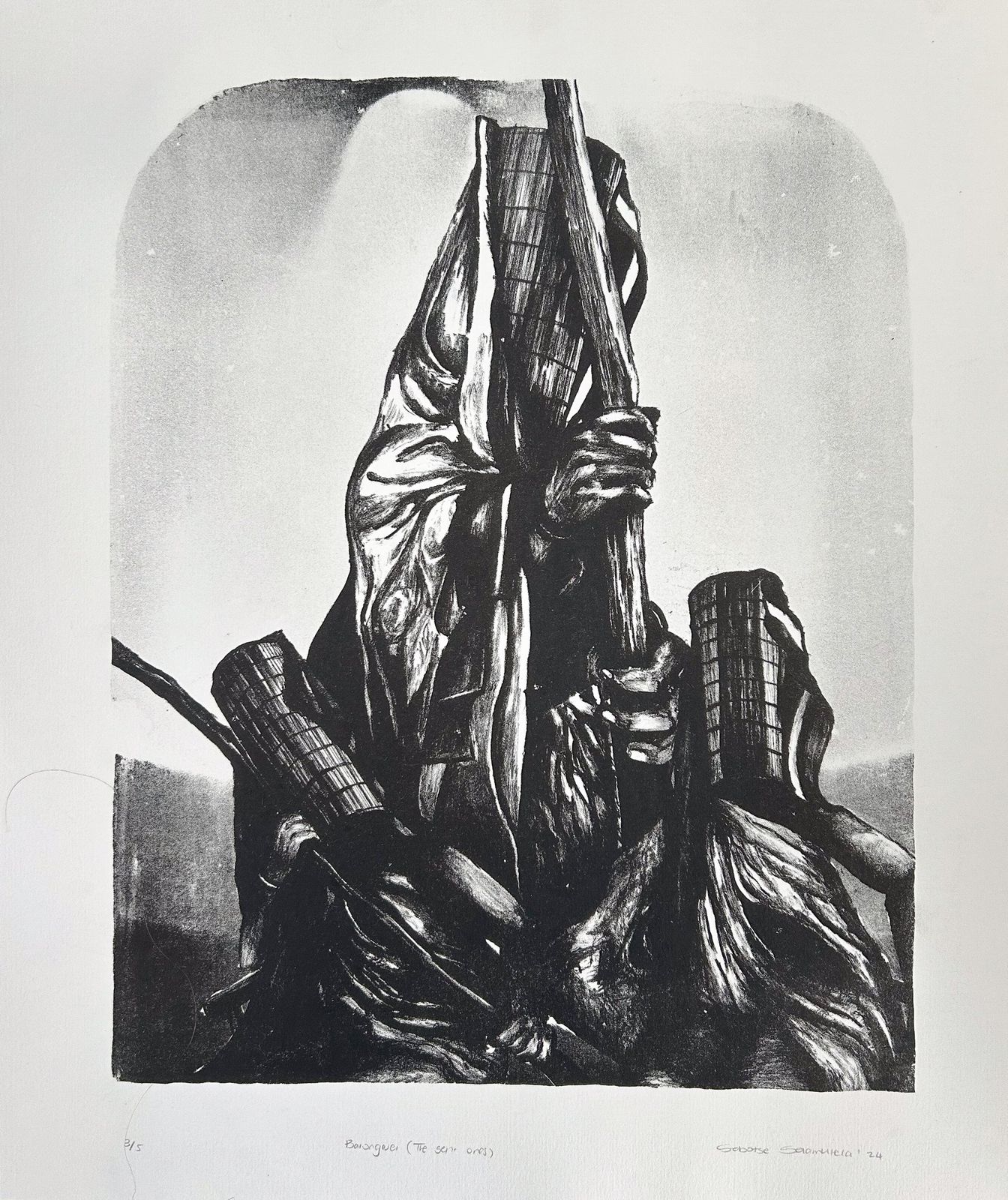
Look for the freedom of drawn marks, from crayon grain to fluid washes.
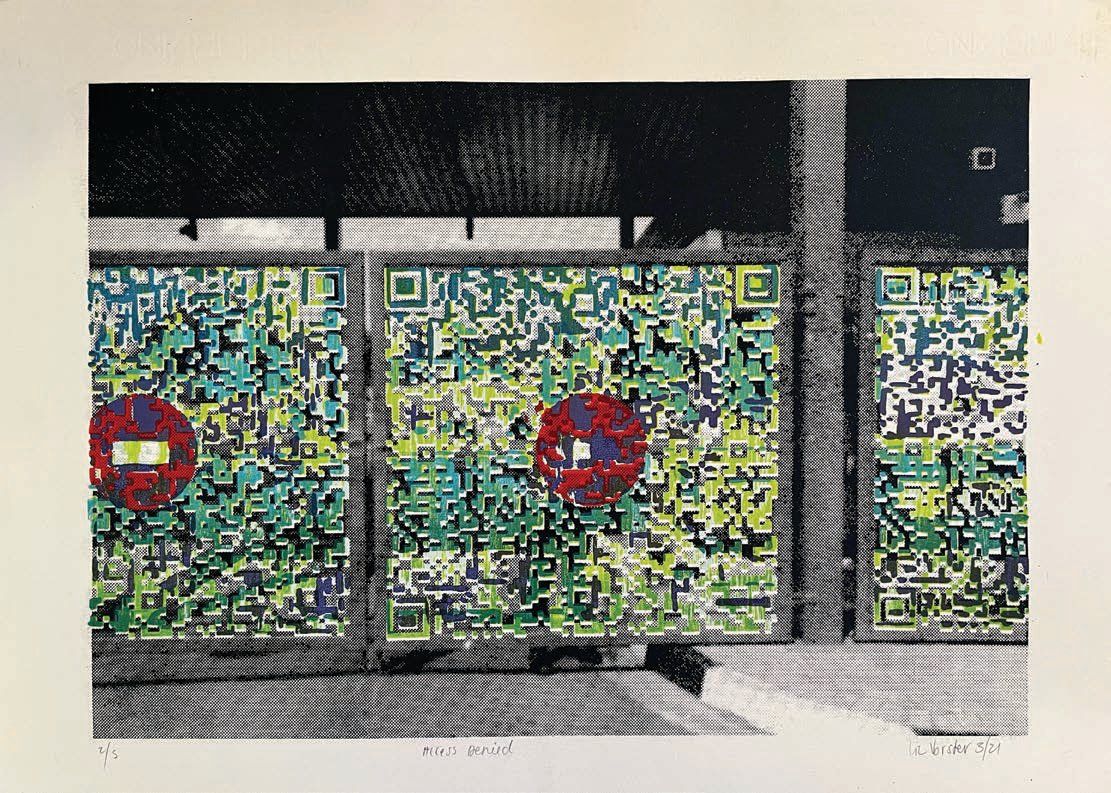
Look for flat colour, sharp stencil shapes and registration between colours.
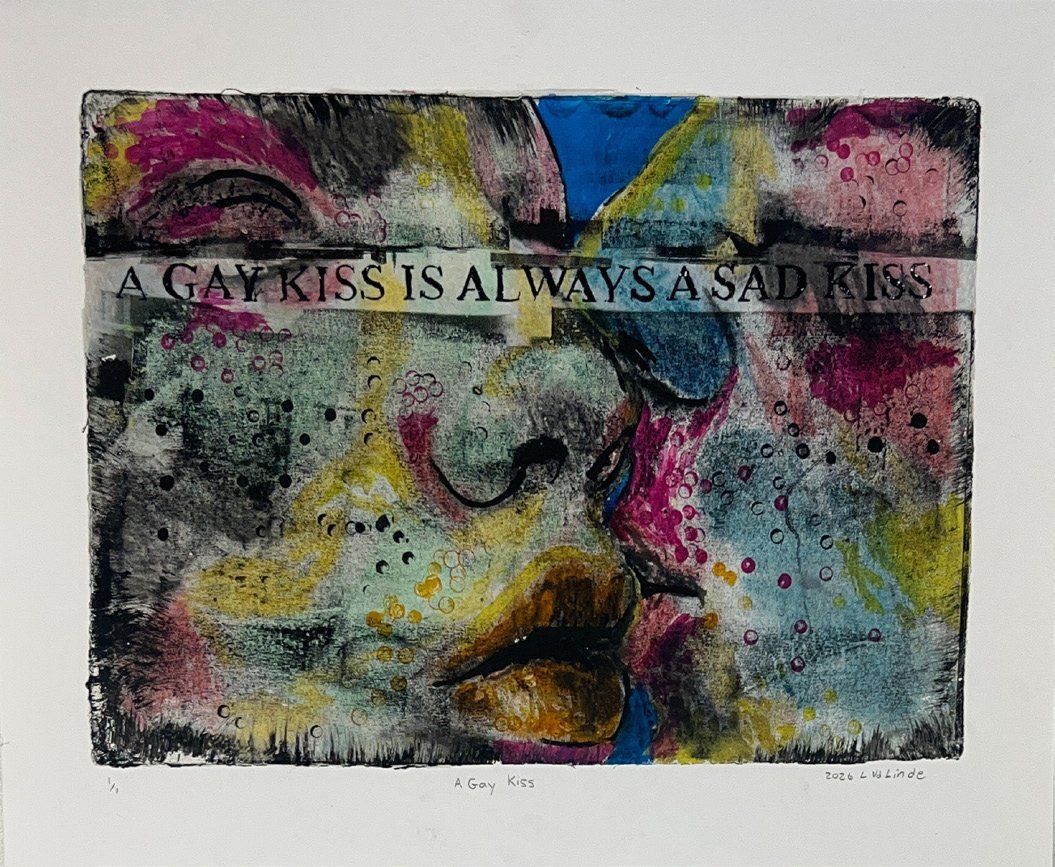
Look for transferred painterly marks and distinguish the main impression from any lighter ghost pull.
Look for layered textures, resist shapes and the interaction of chance and deliberate marks.
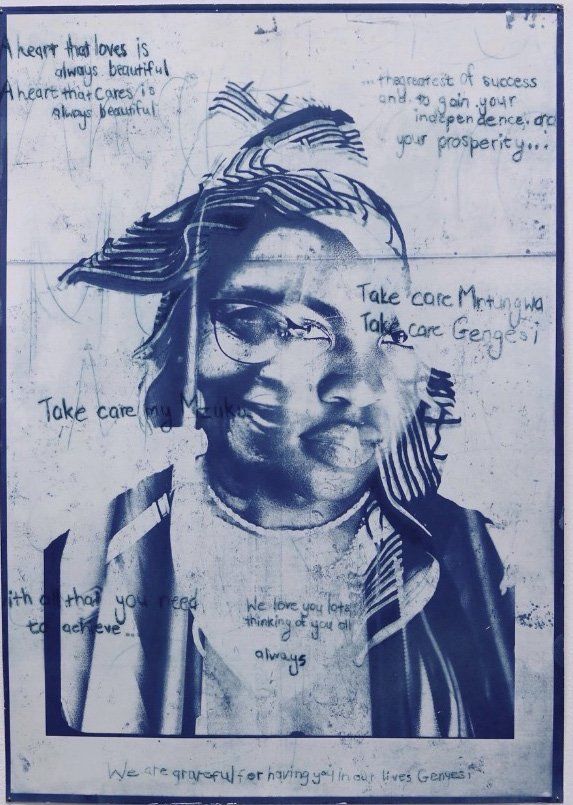
Look for the distinctive blue and the quality of silhouettes or photographic detail.
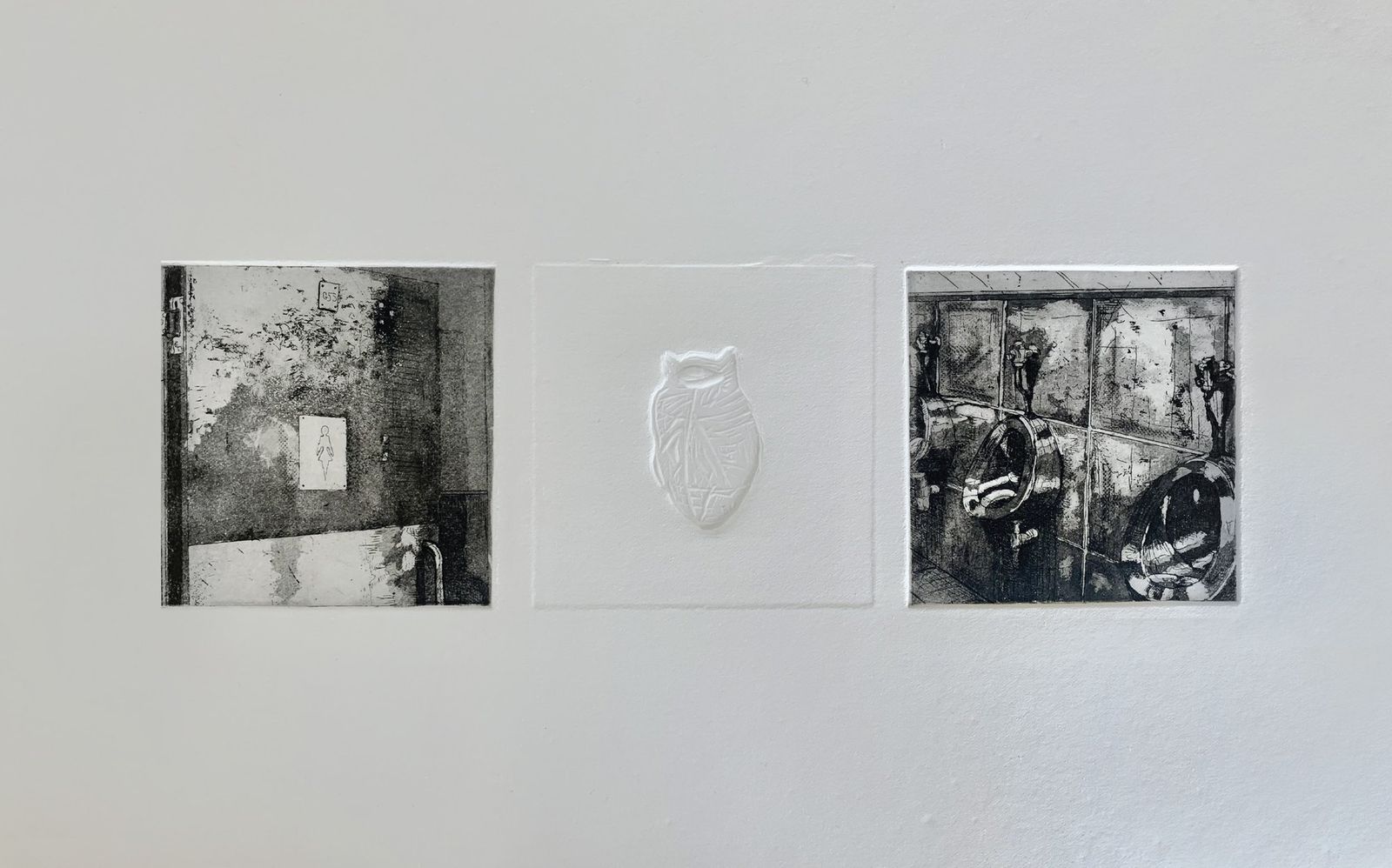
Pressure creates a raised or recessed impression in paper. In blind embossing, no ink is used: light and shadow reveal the image.
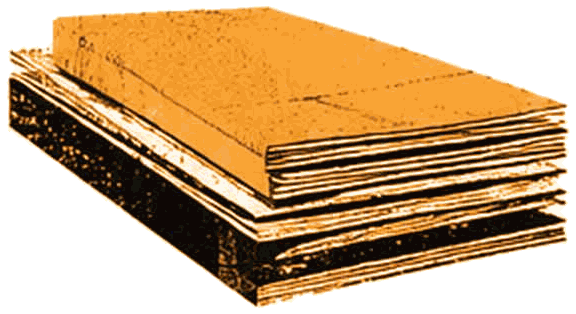
A thin sheet of paper is bonded to a heavier support during printing. It can bring a different colour or texture into the image.