
SILKSCREEN
THE MEDIUM & ITS HISTORY
Screenprinting developed from stencil printing traditions that have existed for thousands of years, but its modern form with using a fine mesh screen to support the stencil and force ink through emerged in the early 20th century, initially as an industrial and commercial technique. It was embraced by fine artists in the 1960s through the work of Andy Warhol, Robert Rauschenberg, and other Pop artists, who recognised its capacity for flat, bold colour and its associations with mass production and consumer culture. The basic process involves stretching a fine mesh screen over a frame and blocking areas of it, either with a hand-cut stencil, a drawn resist, or a photographic emulsion, so that ink can only pass through the open areas of the mesh. A squeegee is drawn across the screen, forcing ink through onto the paper or fabric beneath. Each colour requires a separate screen and a separate pass. In South Africa, screenprinting has a powerful history in community art centres and resistance movements, where its relative accessibility and capacity for producing multiple copies made it ideal for political posters and community imagery. It remains one of the most versatile and widely used printmaking techniques, equally at home in fine art, fashion, and activist contexts.
HOW IT IS MADE
- Stretch mesh over a frame and prepare a stencil or emulsion.
- Expose a photographic stencil and wash out the open areas, if using emulsion.
- Position the screen over the paper.
- Pull a squeegee across the screen to push ink through.
- Dry the print and repeat for additional colours.
AS A COLLECTOR
Look for flat colour, sharp stencil shapes and registration between colours.
IN THE COLLECTION
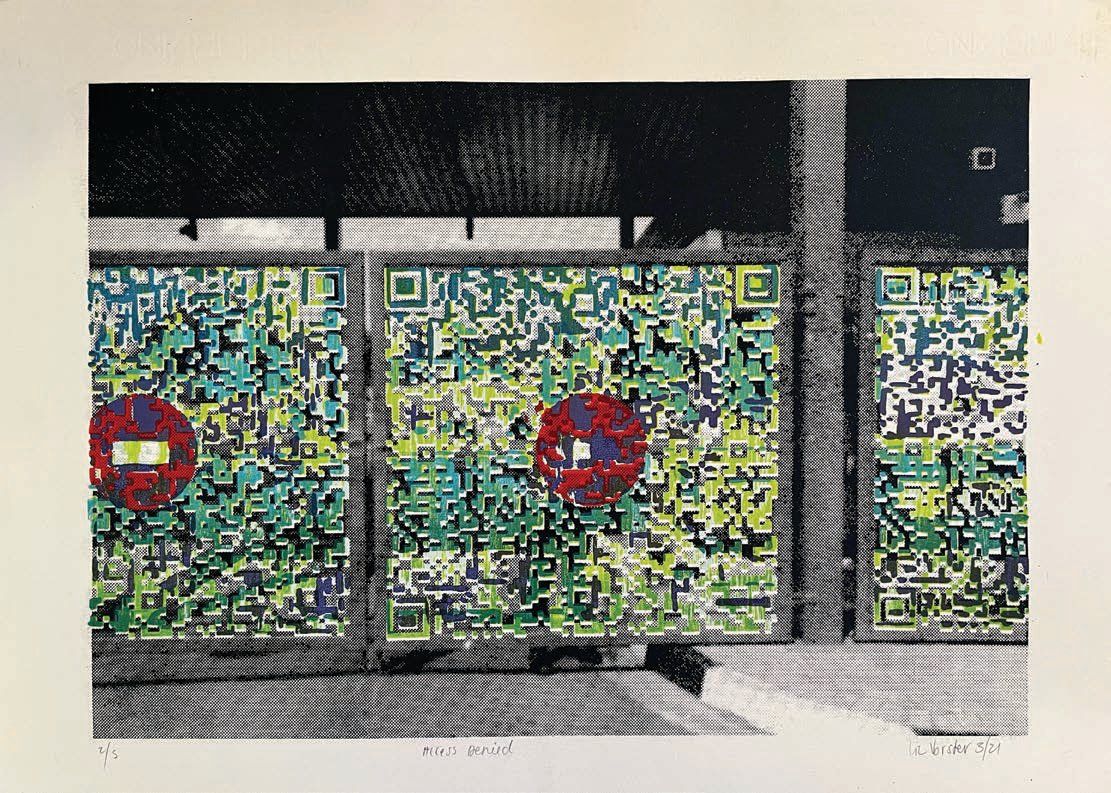
Access Denied
Liz Vorster
R700
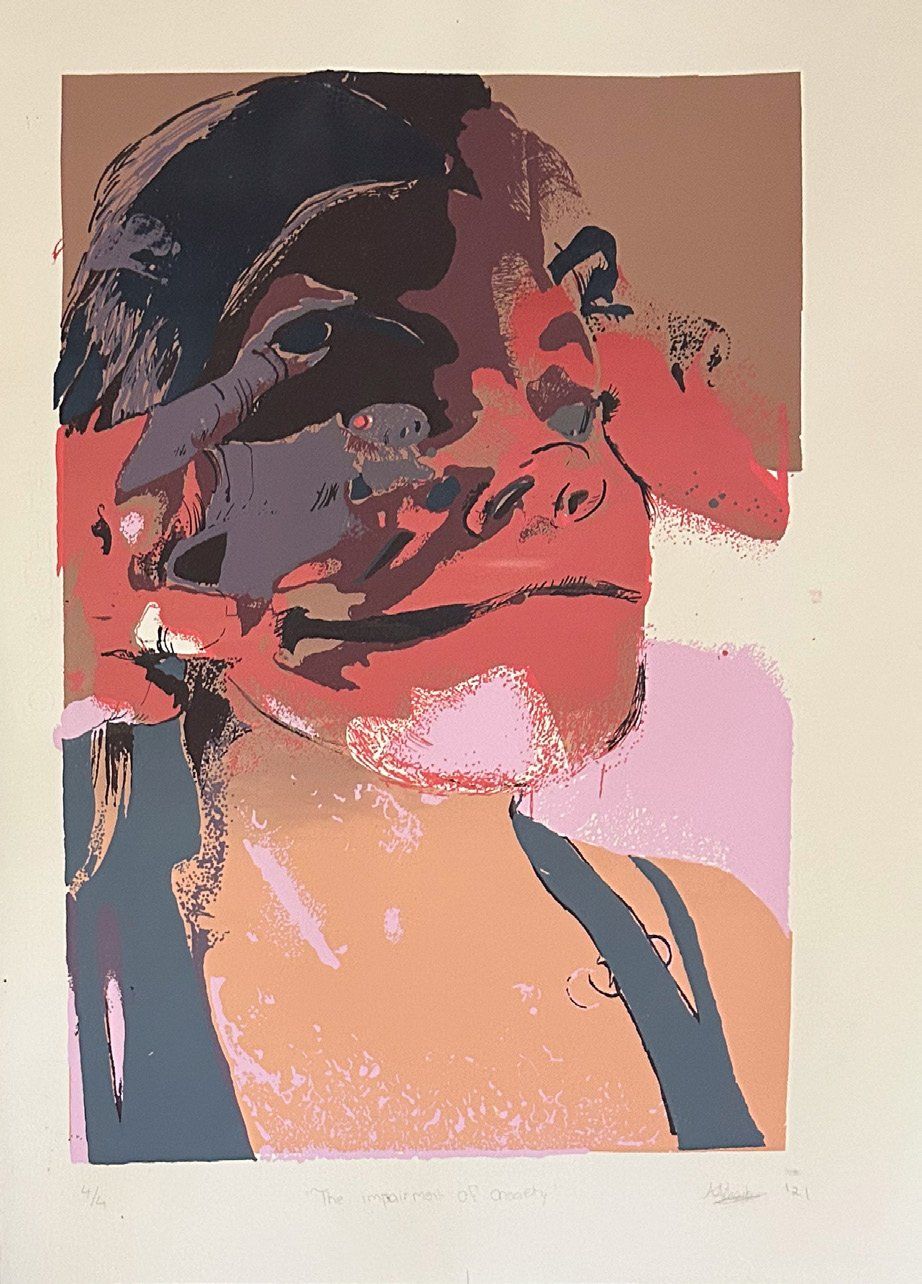

Anxiety
Mikayla Swartz
R1,500
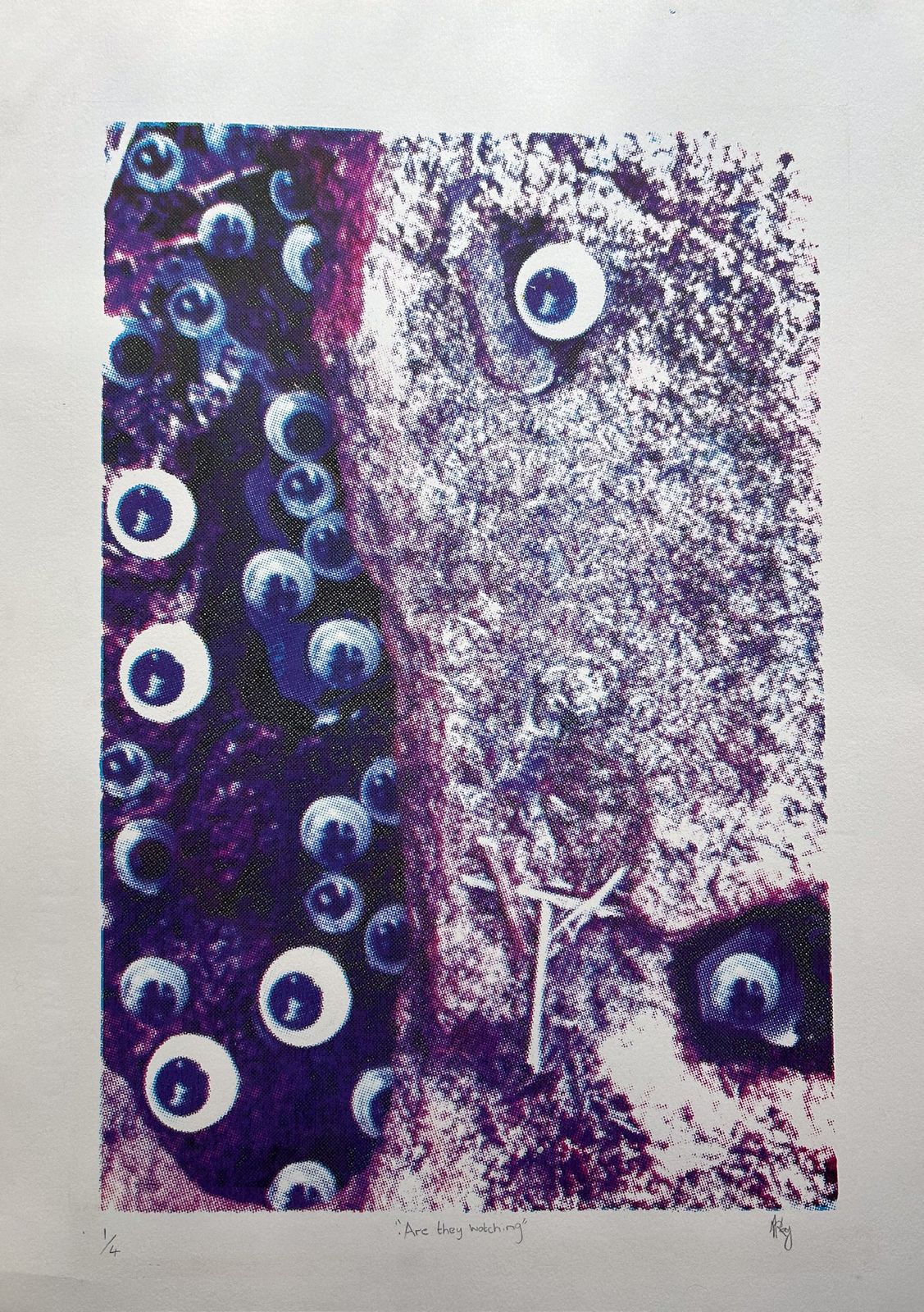

Are they watching
Kaitlyn Pay
R800
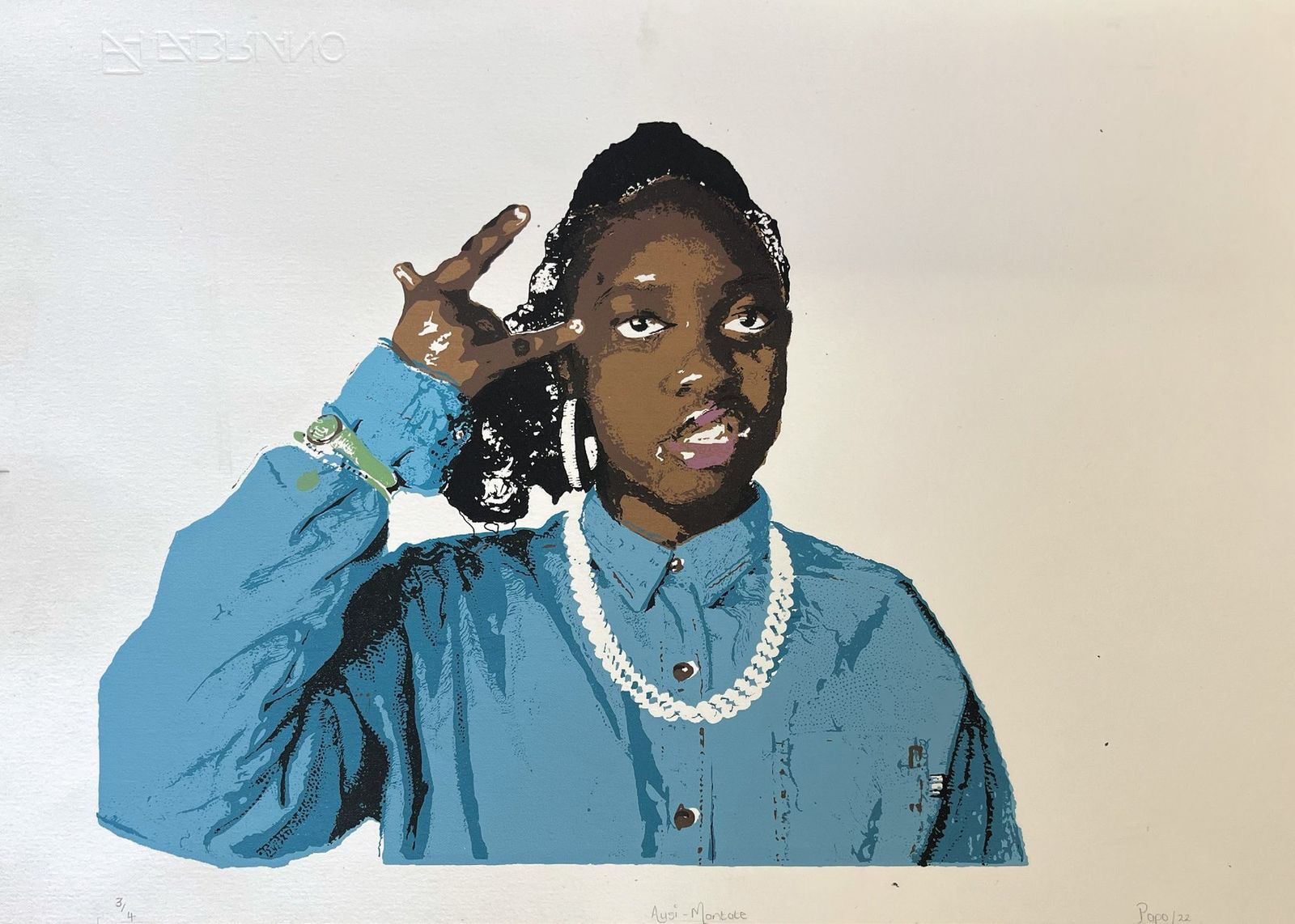
Ausi-Mantate
Tshegofatso Papo
R1,200
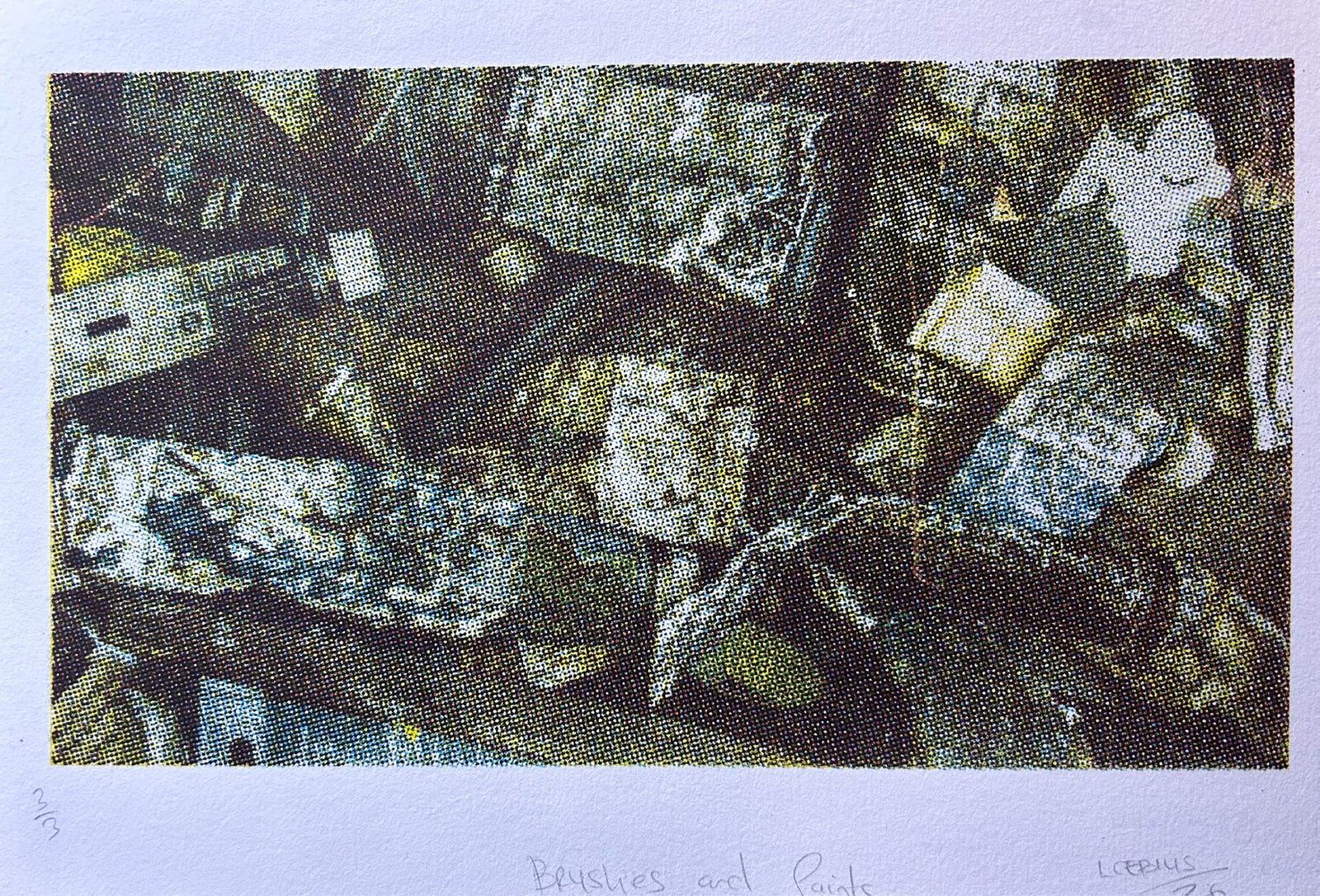
Brushes and Paints
Lebohang Lengobala
R1,500
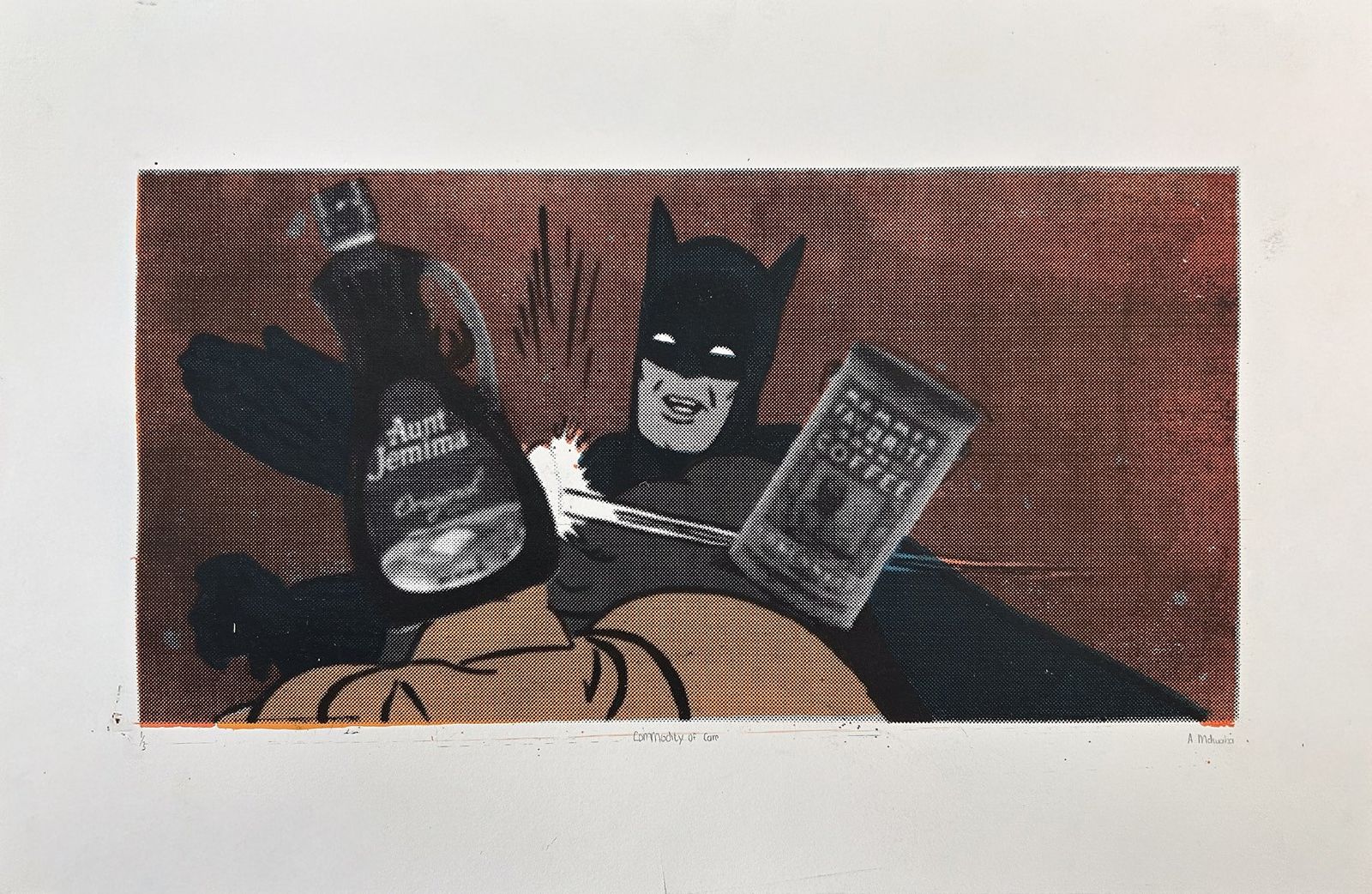

Commodity of Care
Abongwe Samkelo Mdwaba
R800
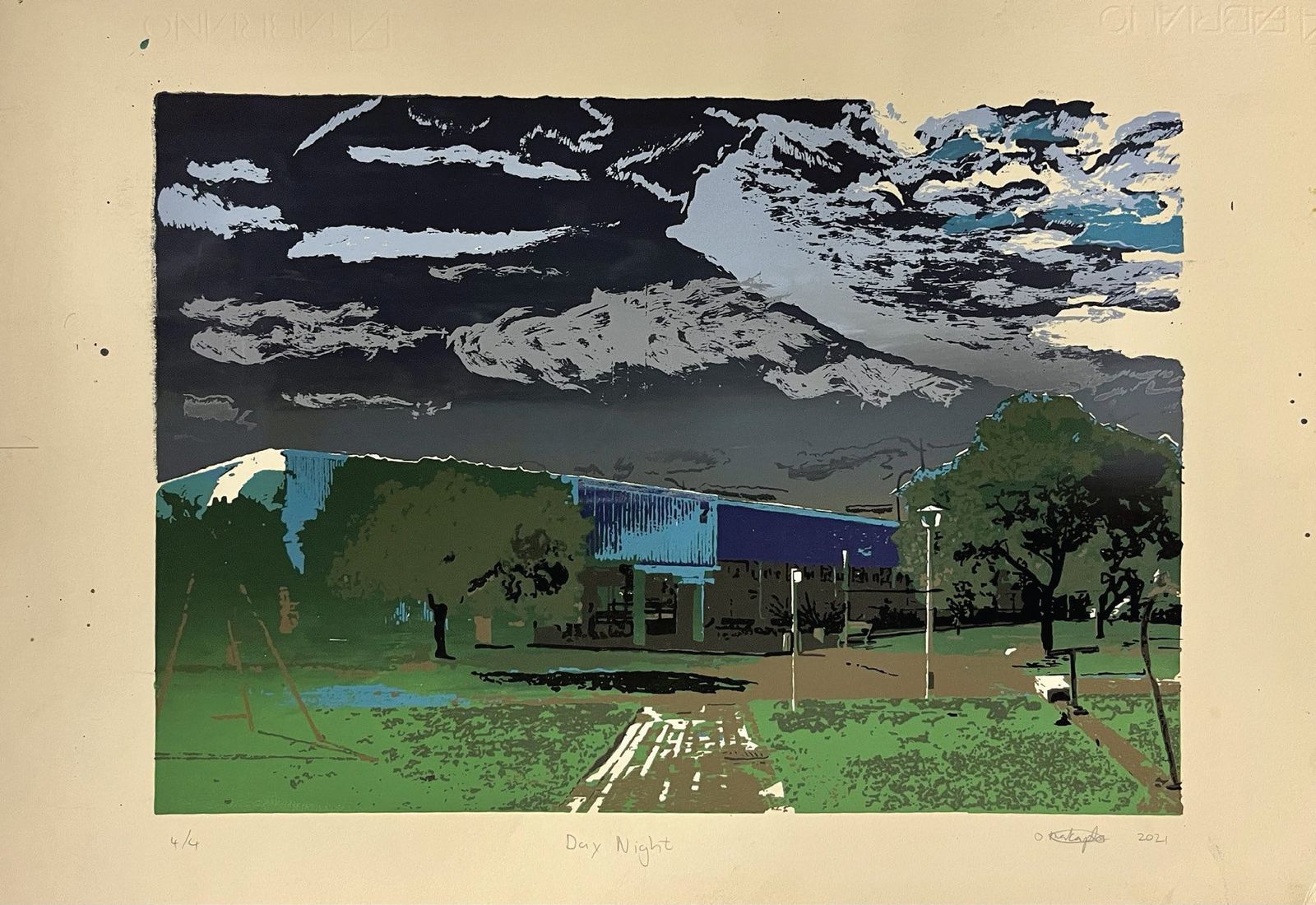

Day Night
Ovayo Makapela
R1,500
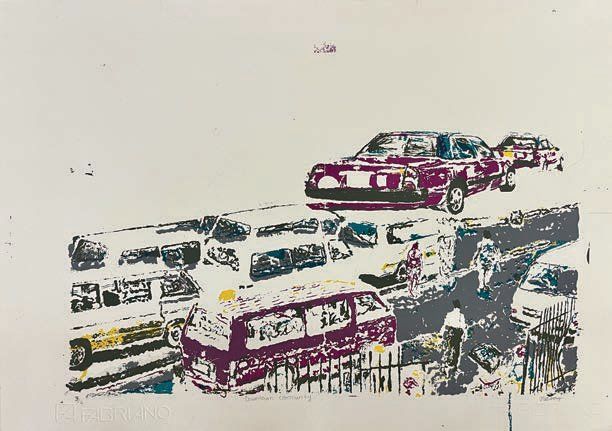
Downtown Communit[y]
Jacobeth Selinga
R300
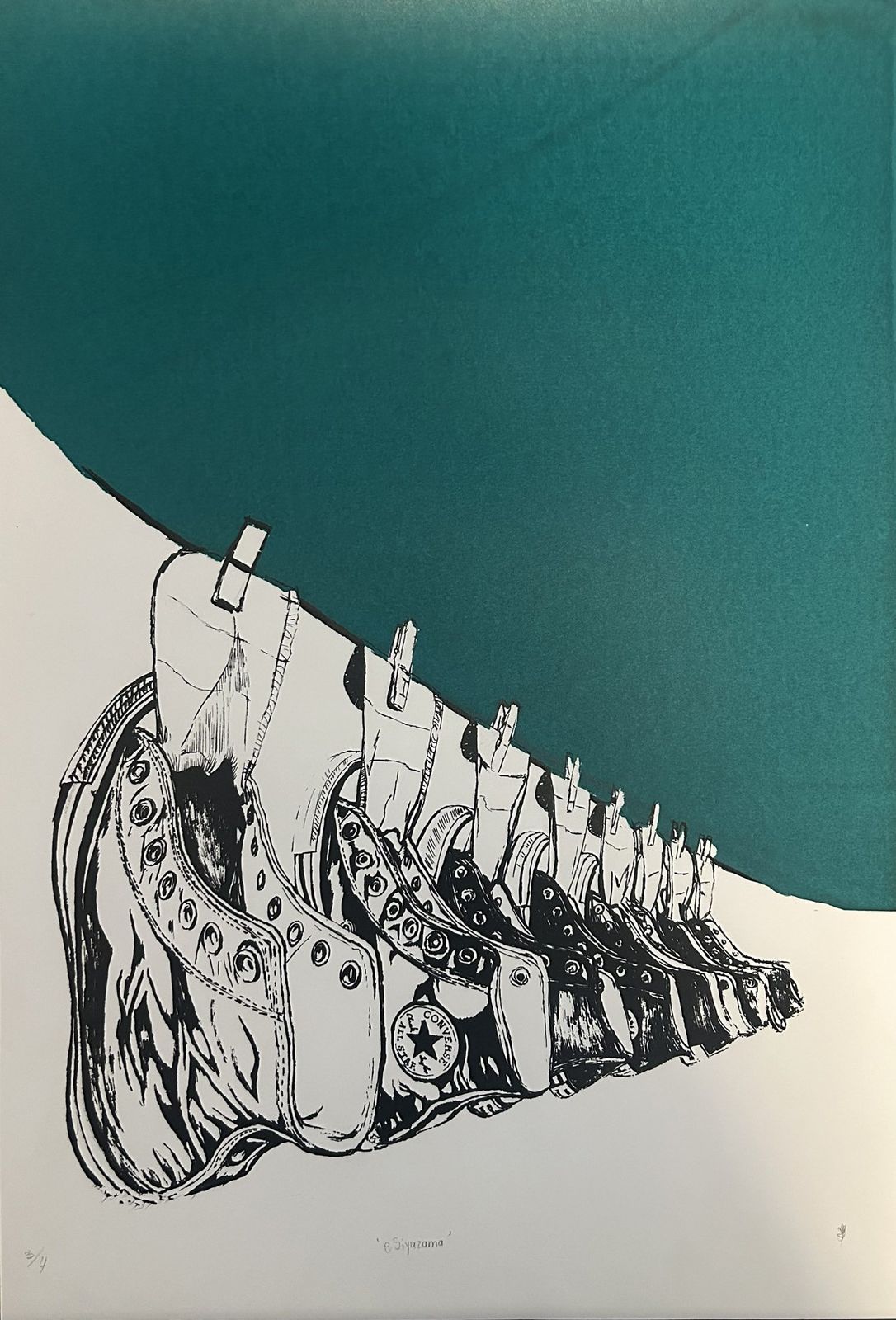

eSiyazama
Ilitha Cebisa Taliwe
R2,100
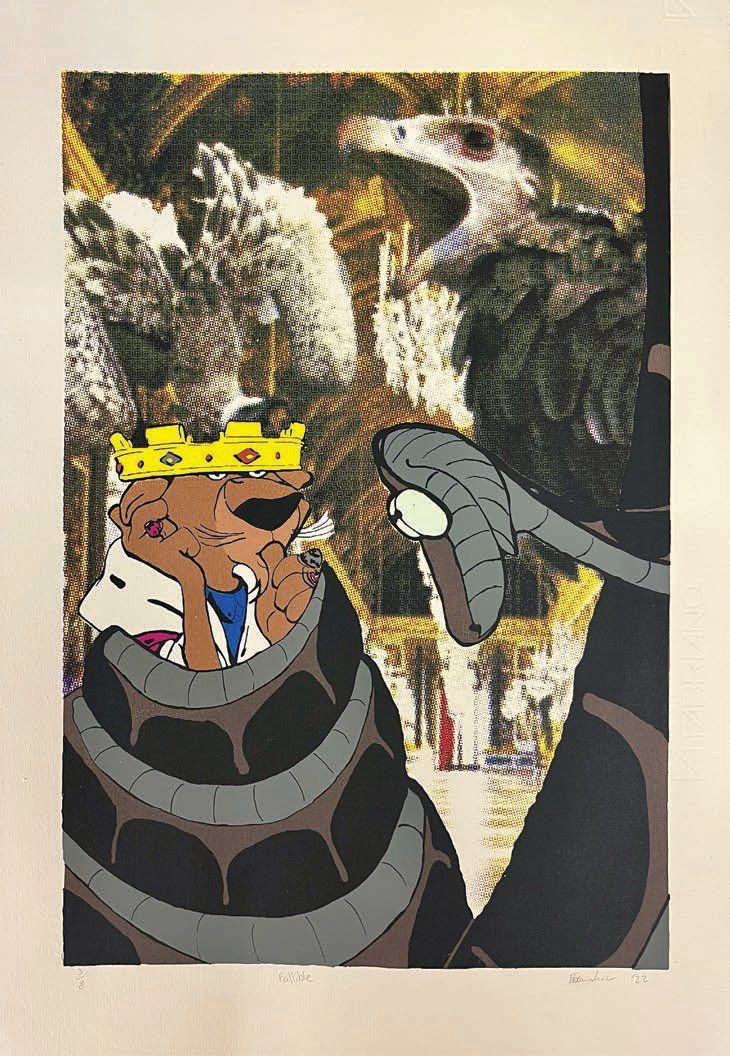
Fallible
Helen Stewardson
R800
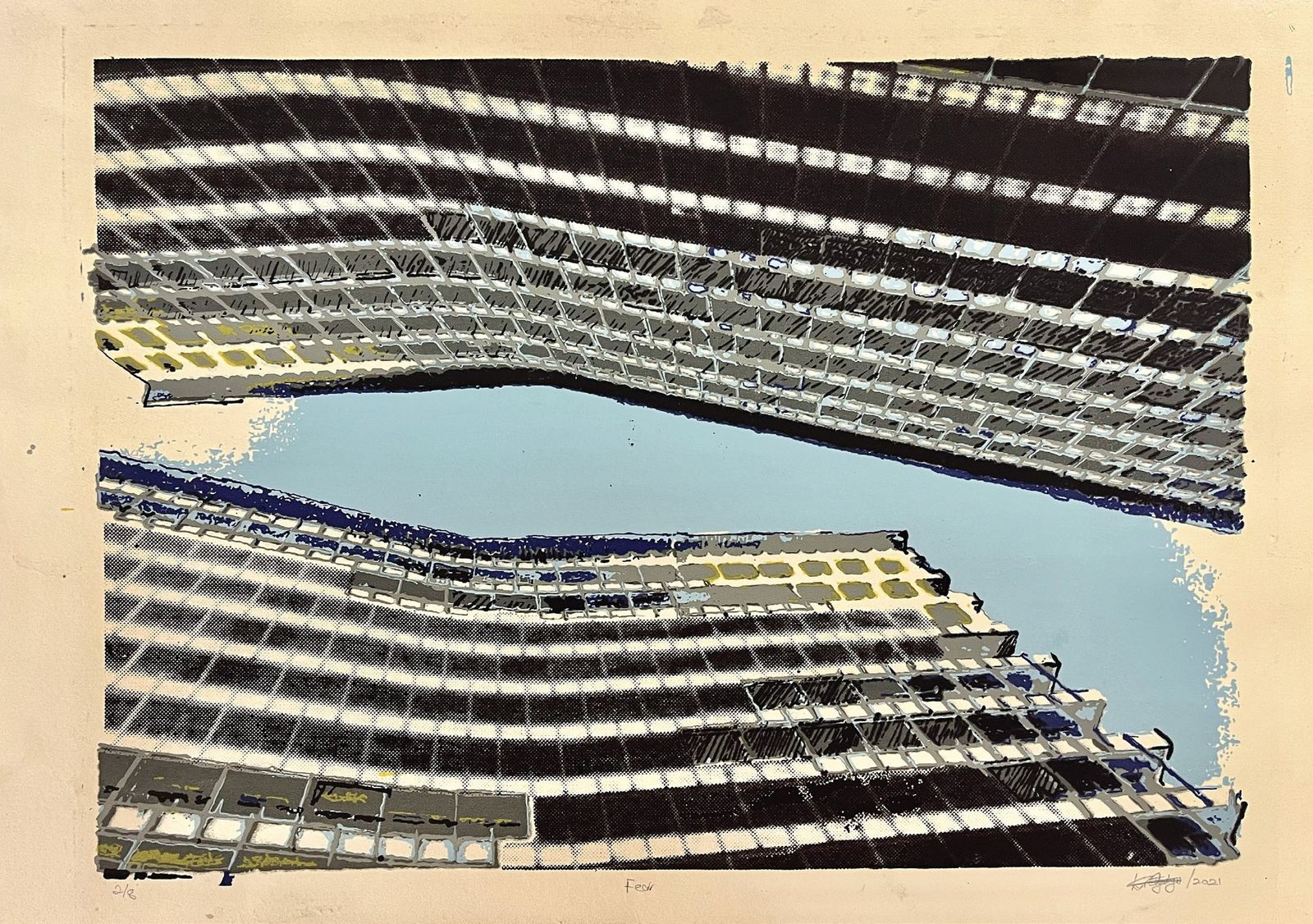
Fear
Lonwabo Tyutyu
R1,000
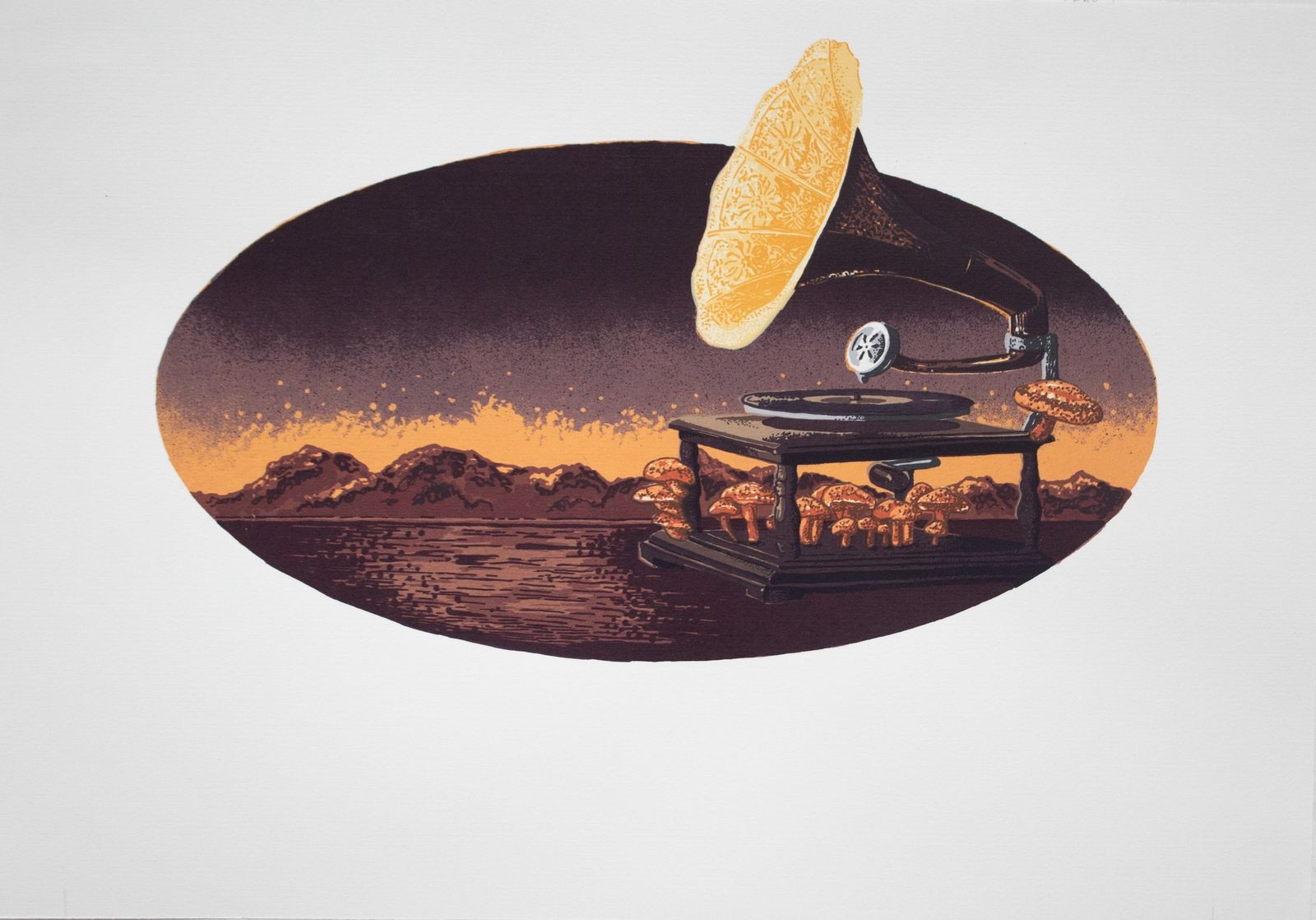
Gramophone
Paigen Kotze
R2,200
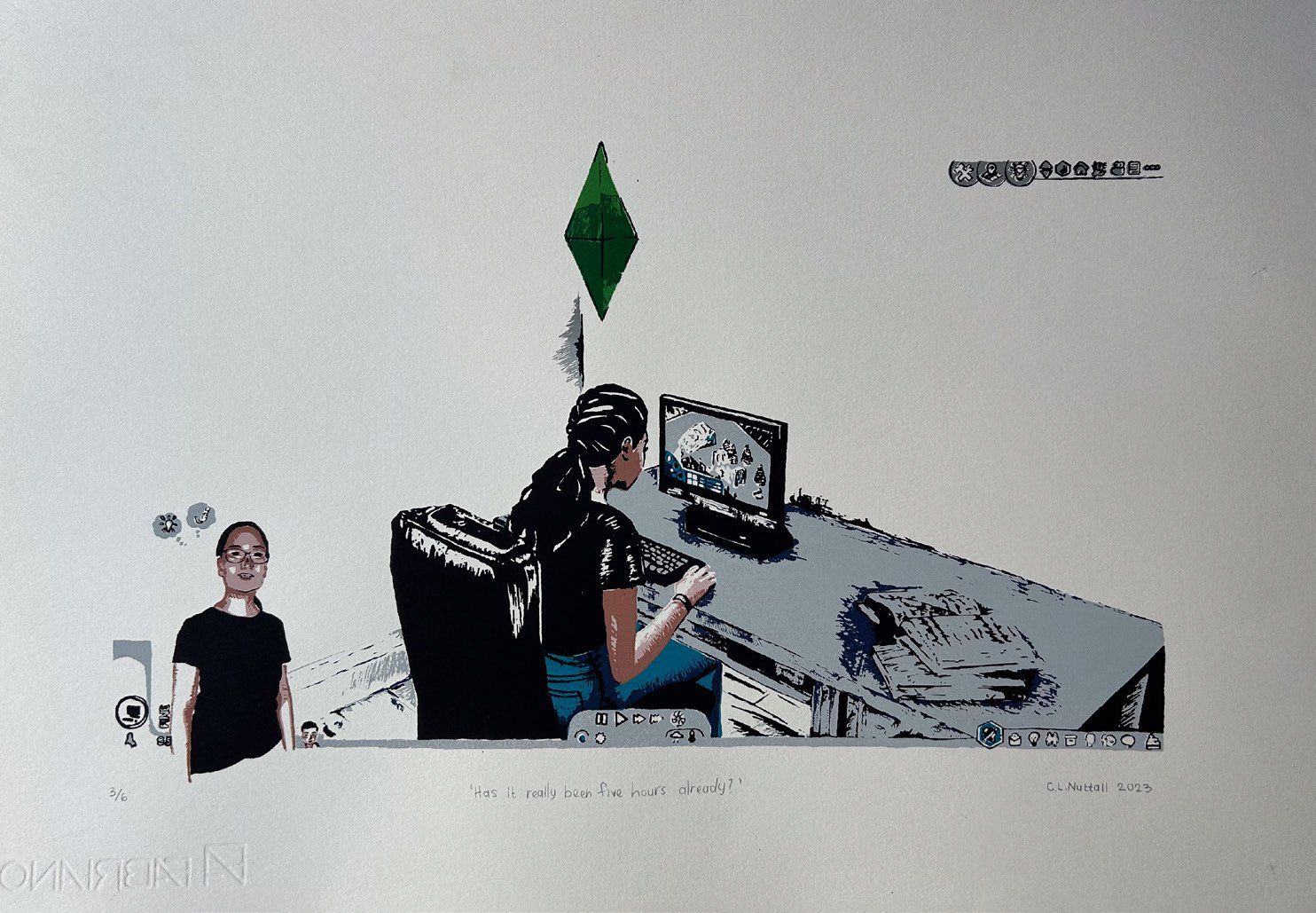
Has it already been five hours?
Cailyn Nuttall
R1,000
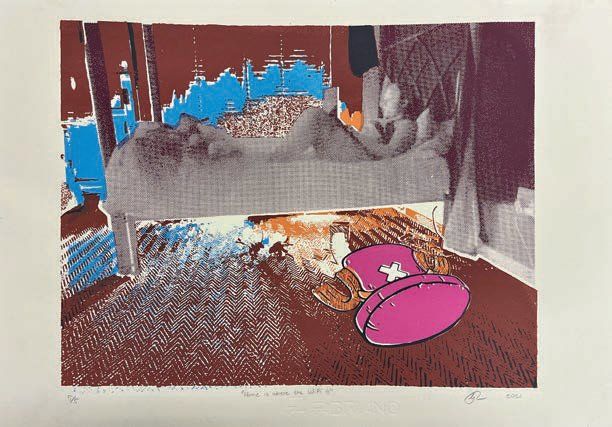
Home is where the WIFI is
Chiara Andriana Gagiano
R500
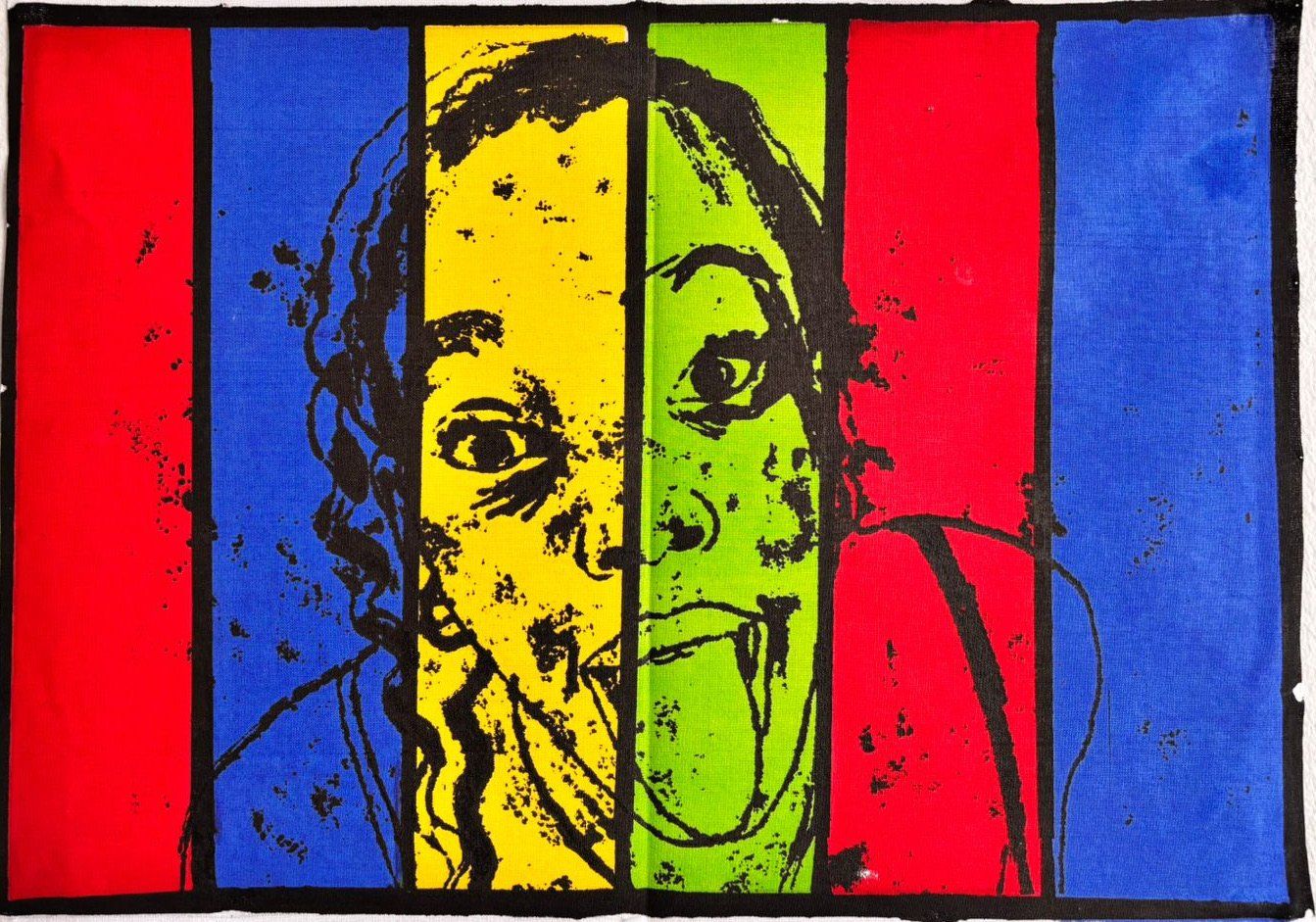
Home Roots
Mpho Mabe
R1,300
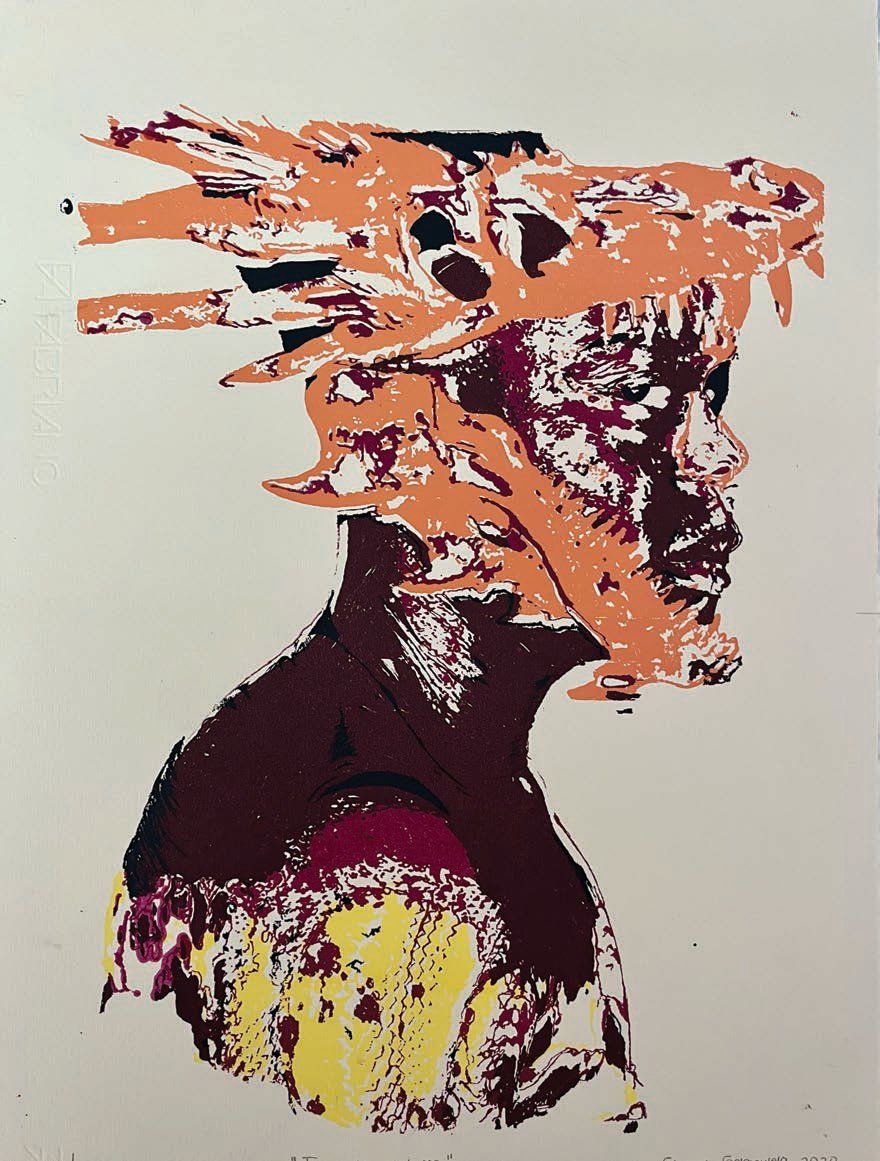
I am the in-between
Sebotse Selamulela
R450
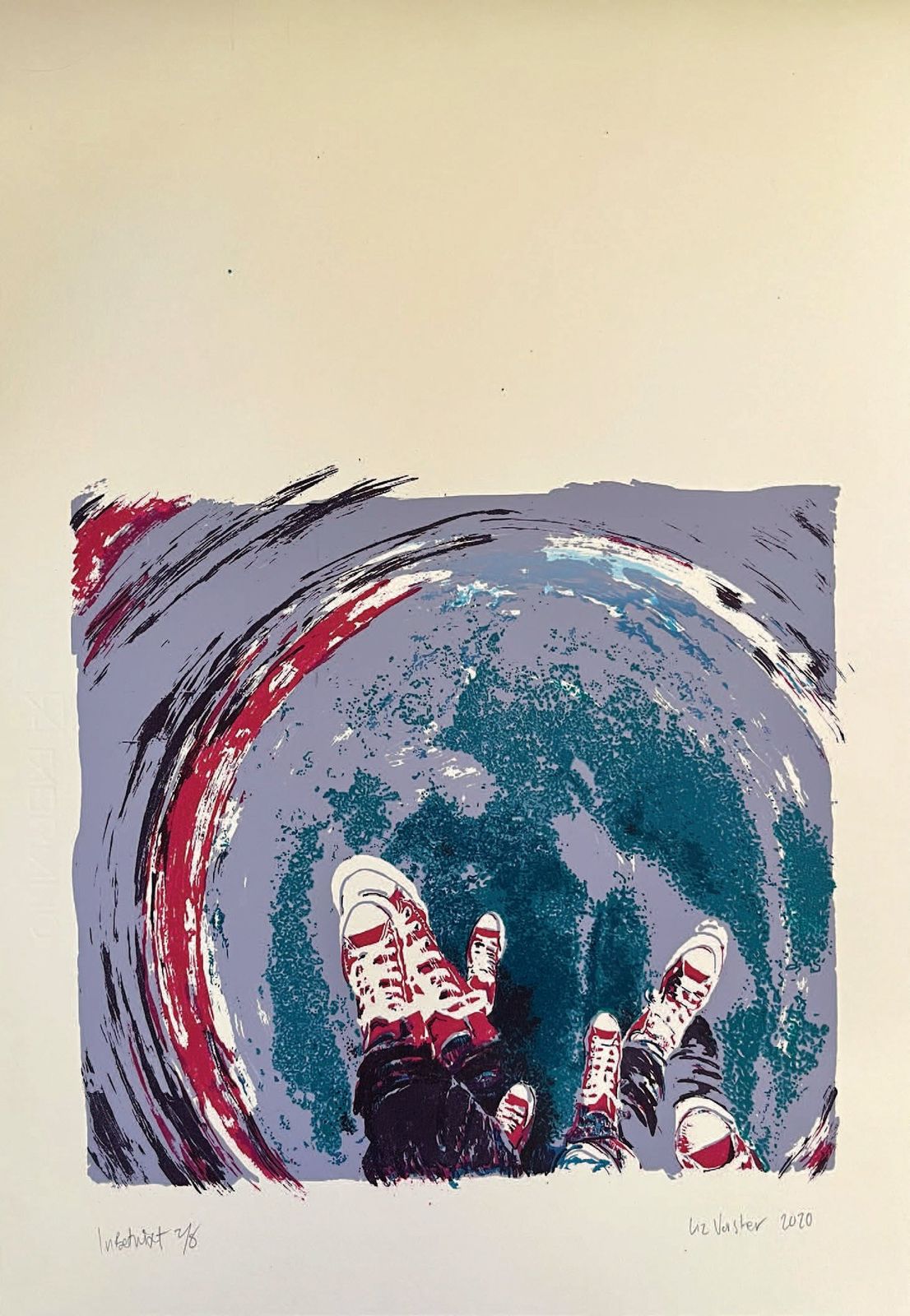
InBetwixt
Liz Vorster
R1,000
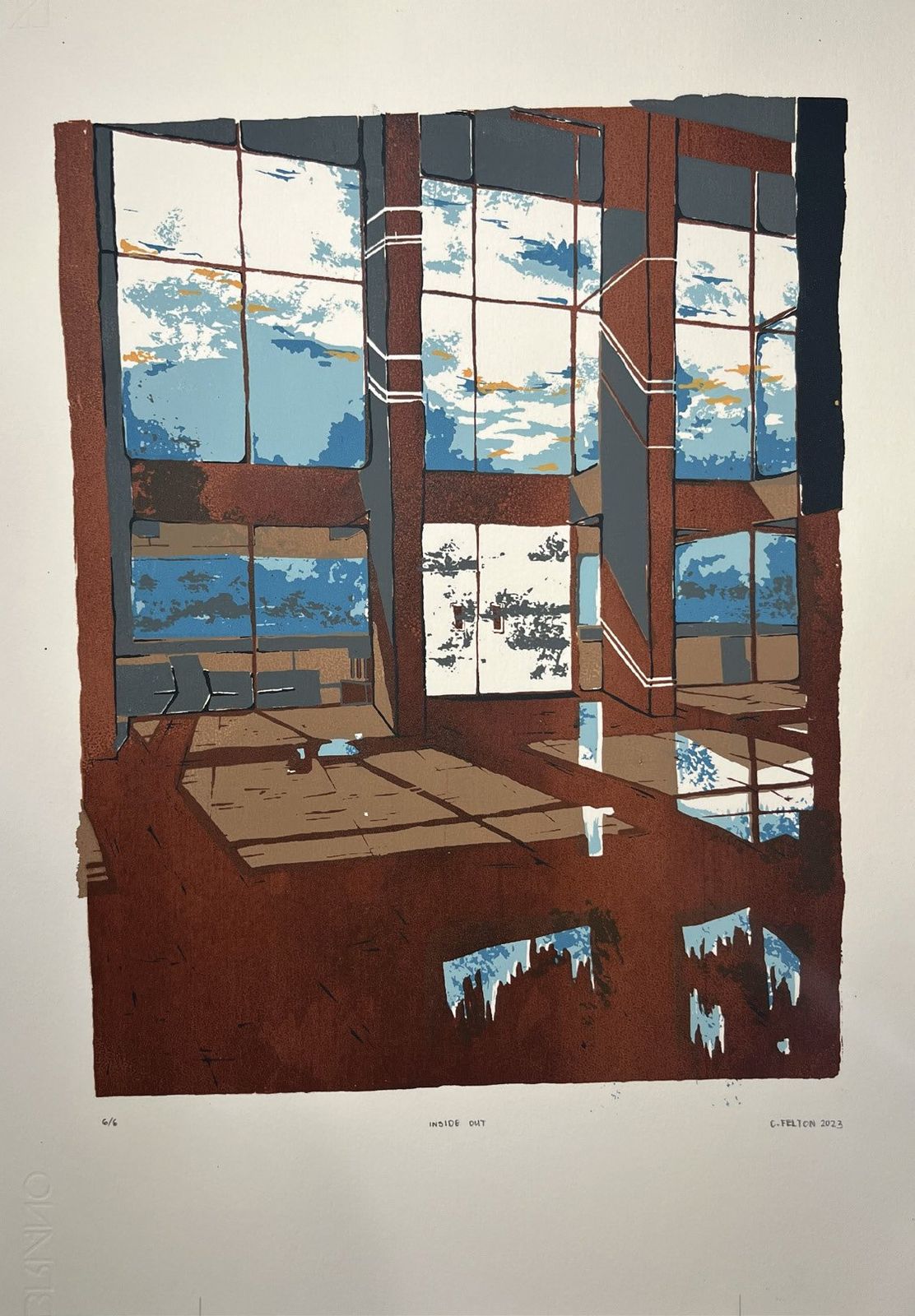
Inside Out
Clint Fortunato Felton
R1,000
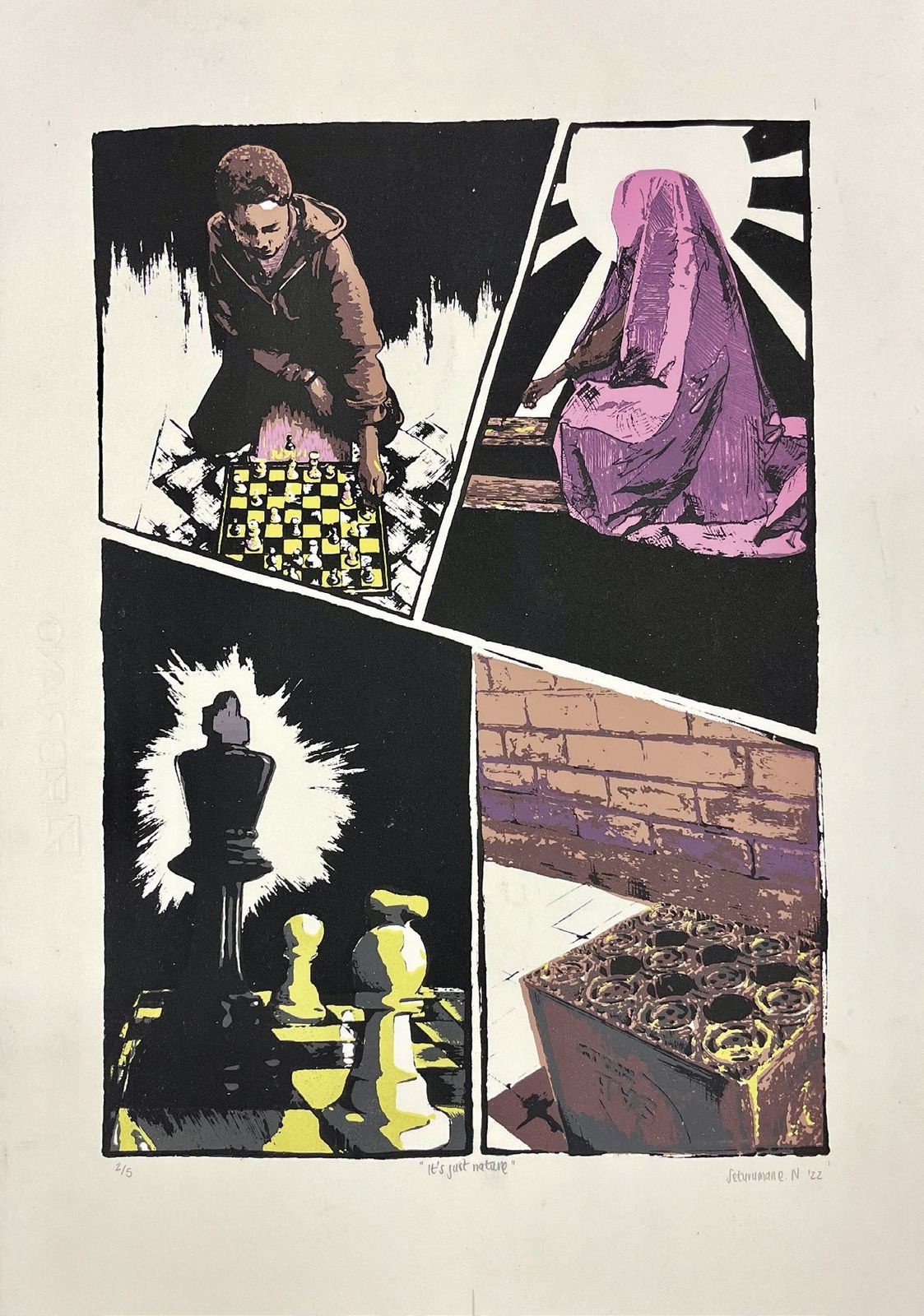
It's just nature
Nthabiseng Seturumane
R1,600
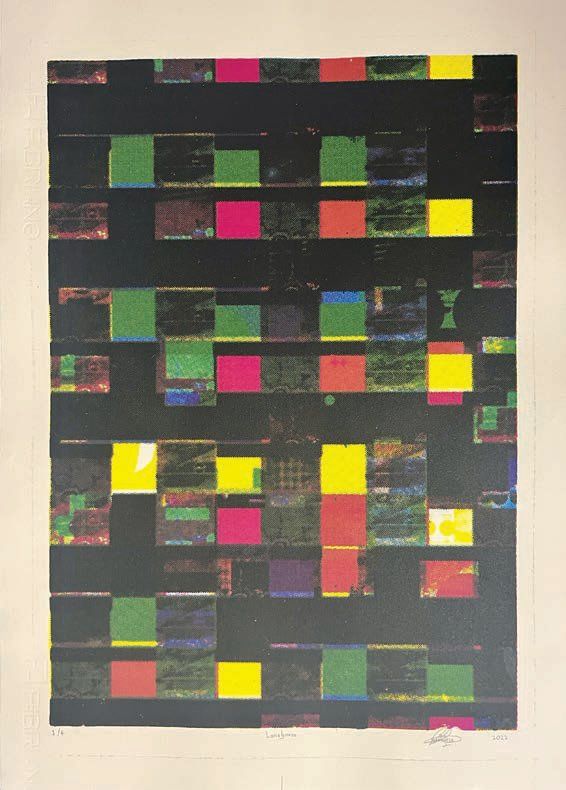
Lonelyness
Sithandile Mthembu
R800
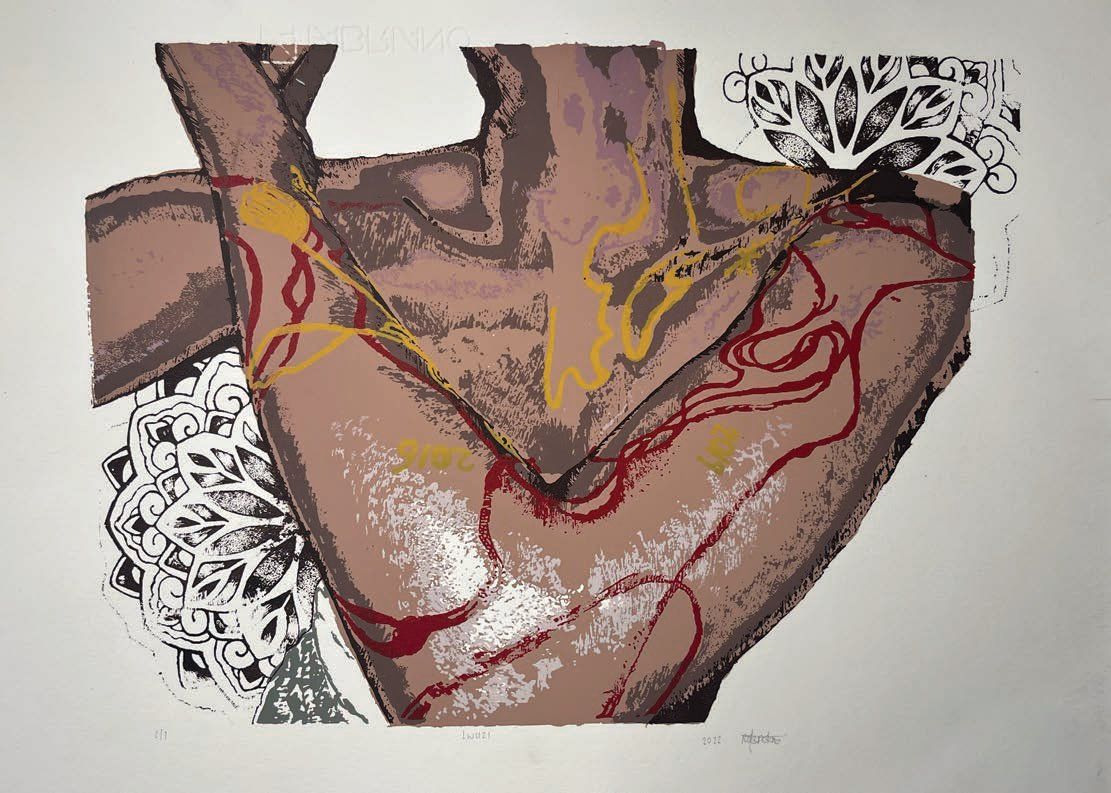
Lwazi
Refentse Mothunyane
R700
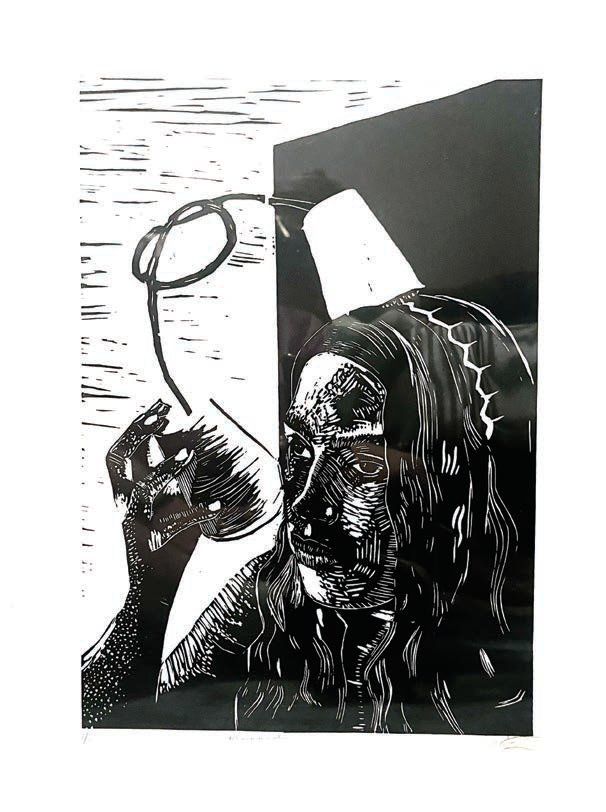
Miscommunication
Meghan Ann Faber
R400
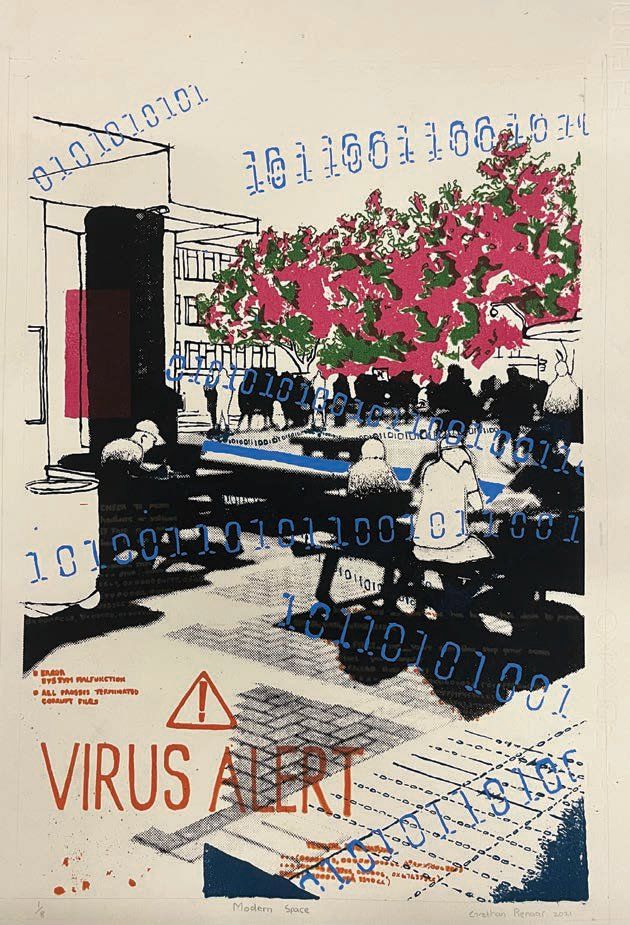
Modern Space
Grethan Pienaar
R700
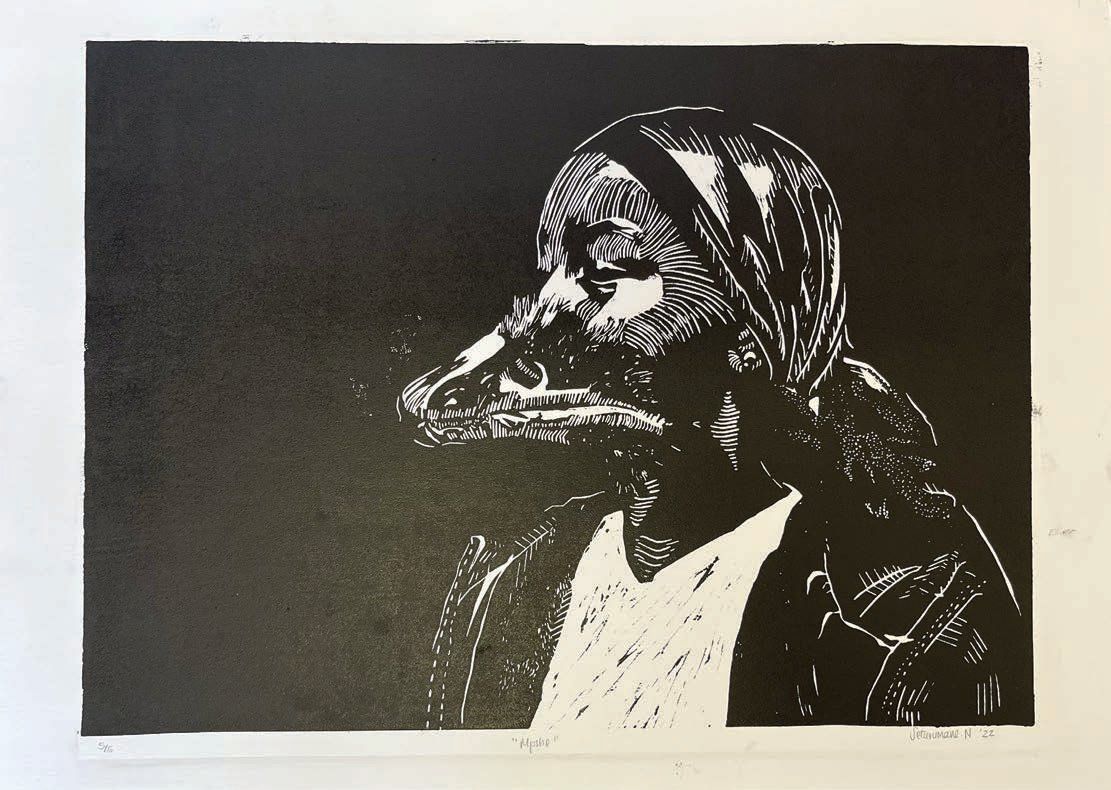
Mpshe
Nthabiseng Seturumane
R800
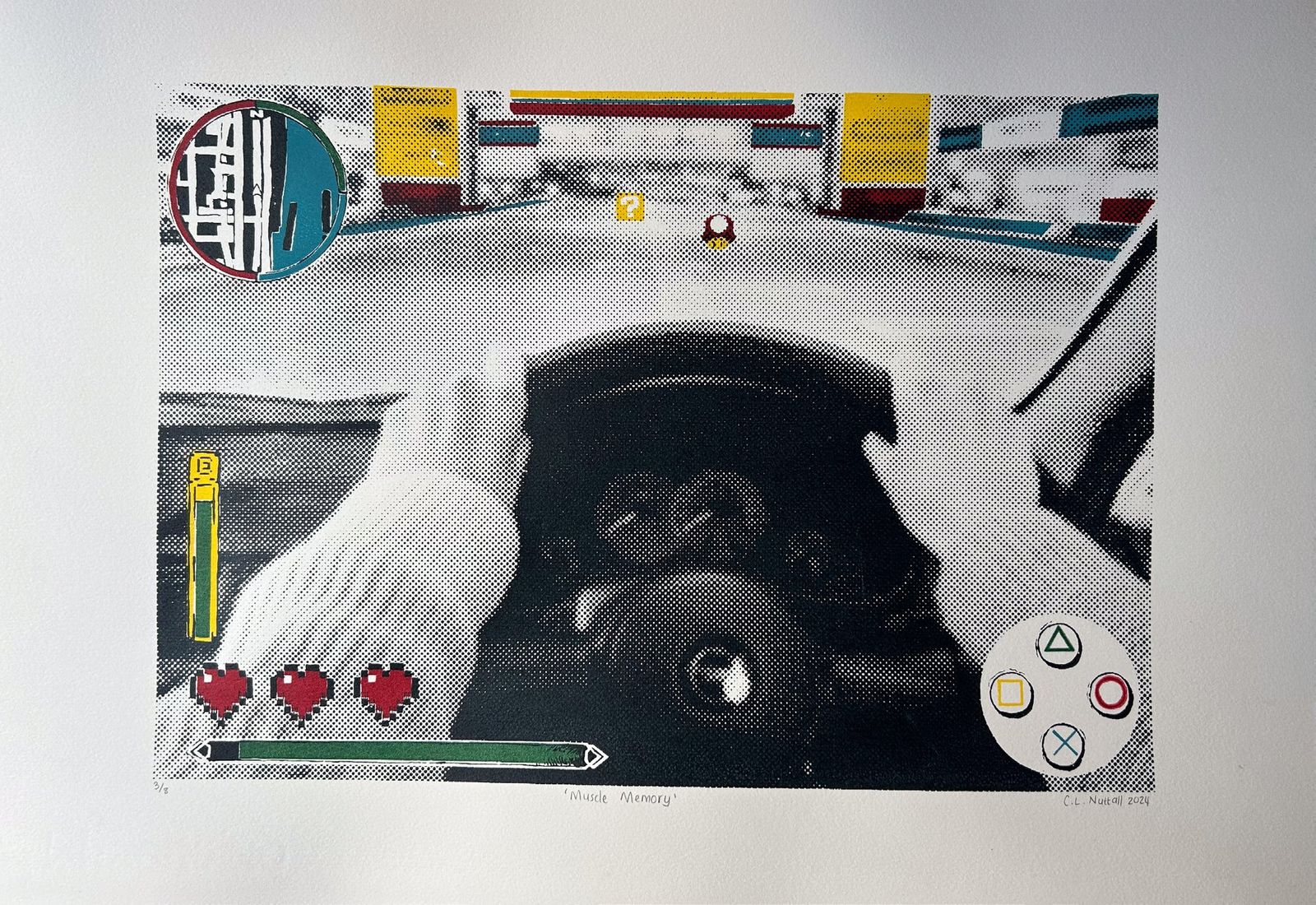
Muscle Memory
Cailyn Nuttall
R1,200
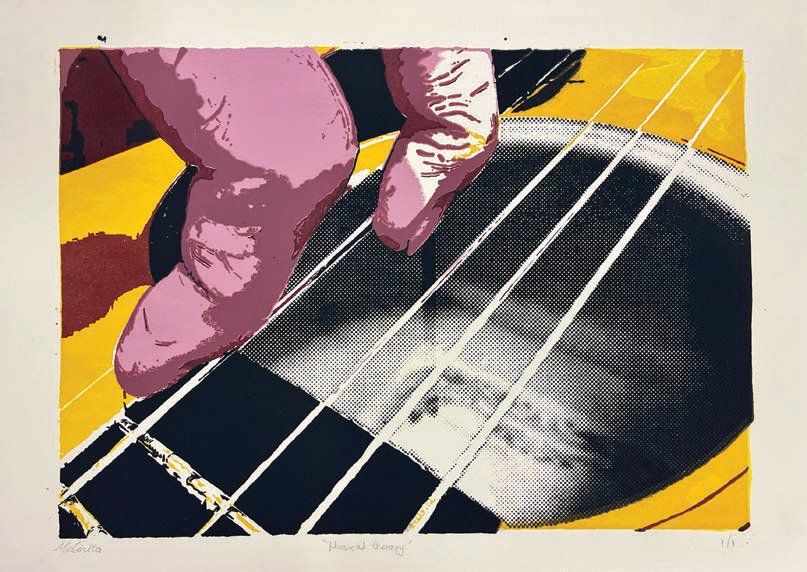
Musical Therapy
Melinita Walters
R600
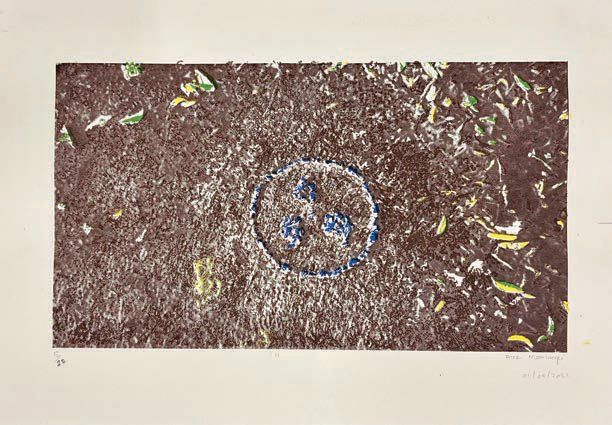
Nakanō shrine
Alex Mahlangu
R800
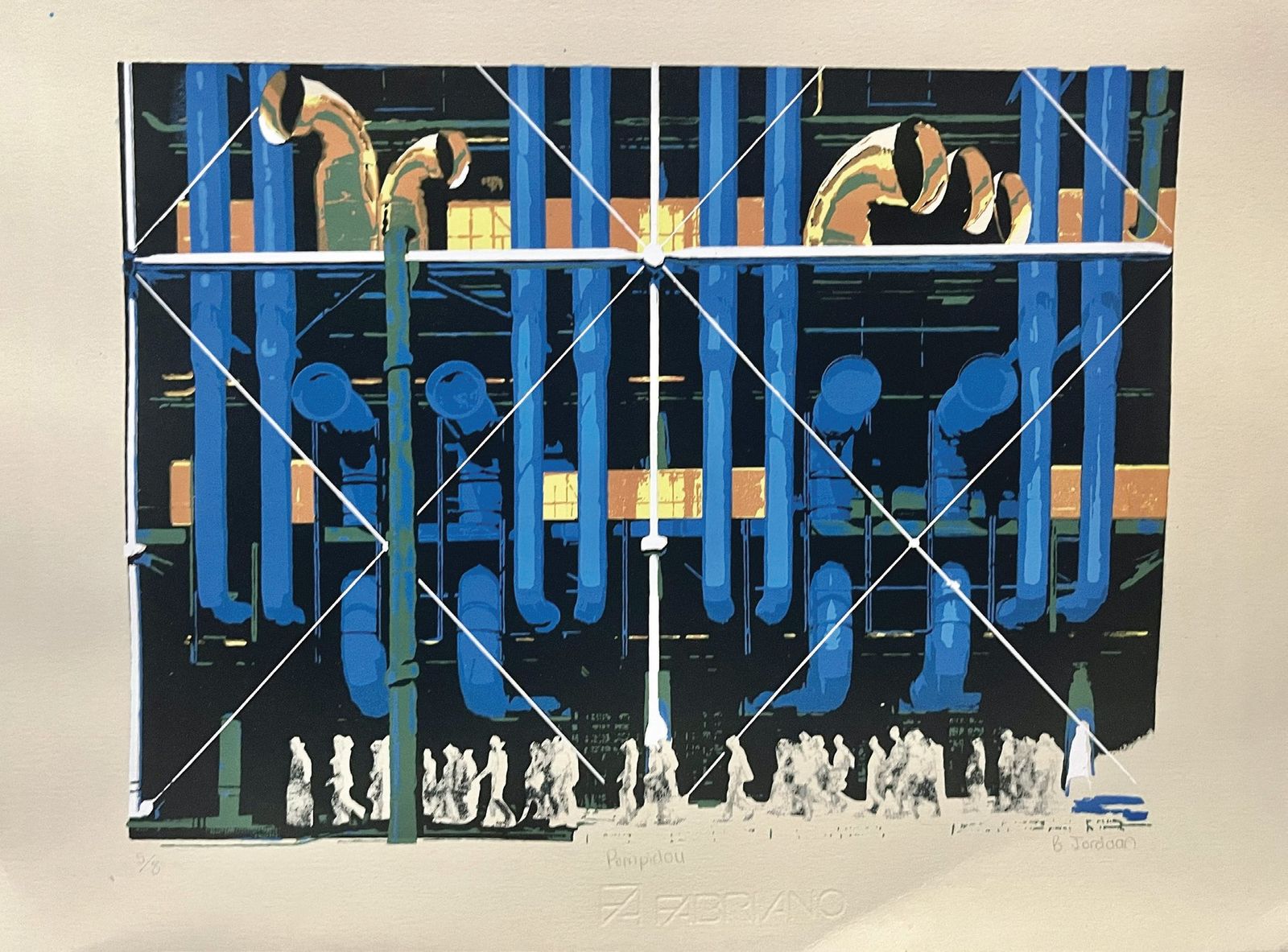
Pompidou
Beate Maria Jordaan
R1,500
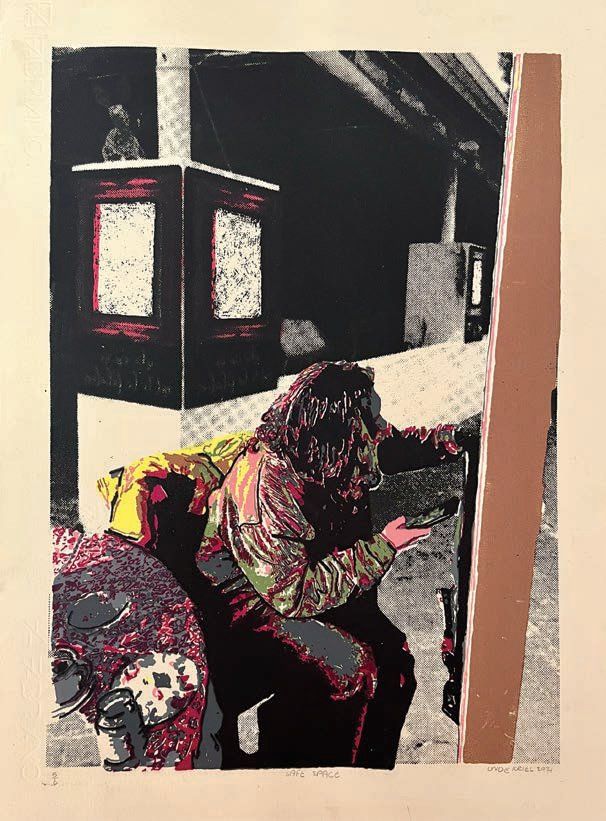
Safe Space
Linde Kriel
R700
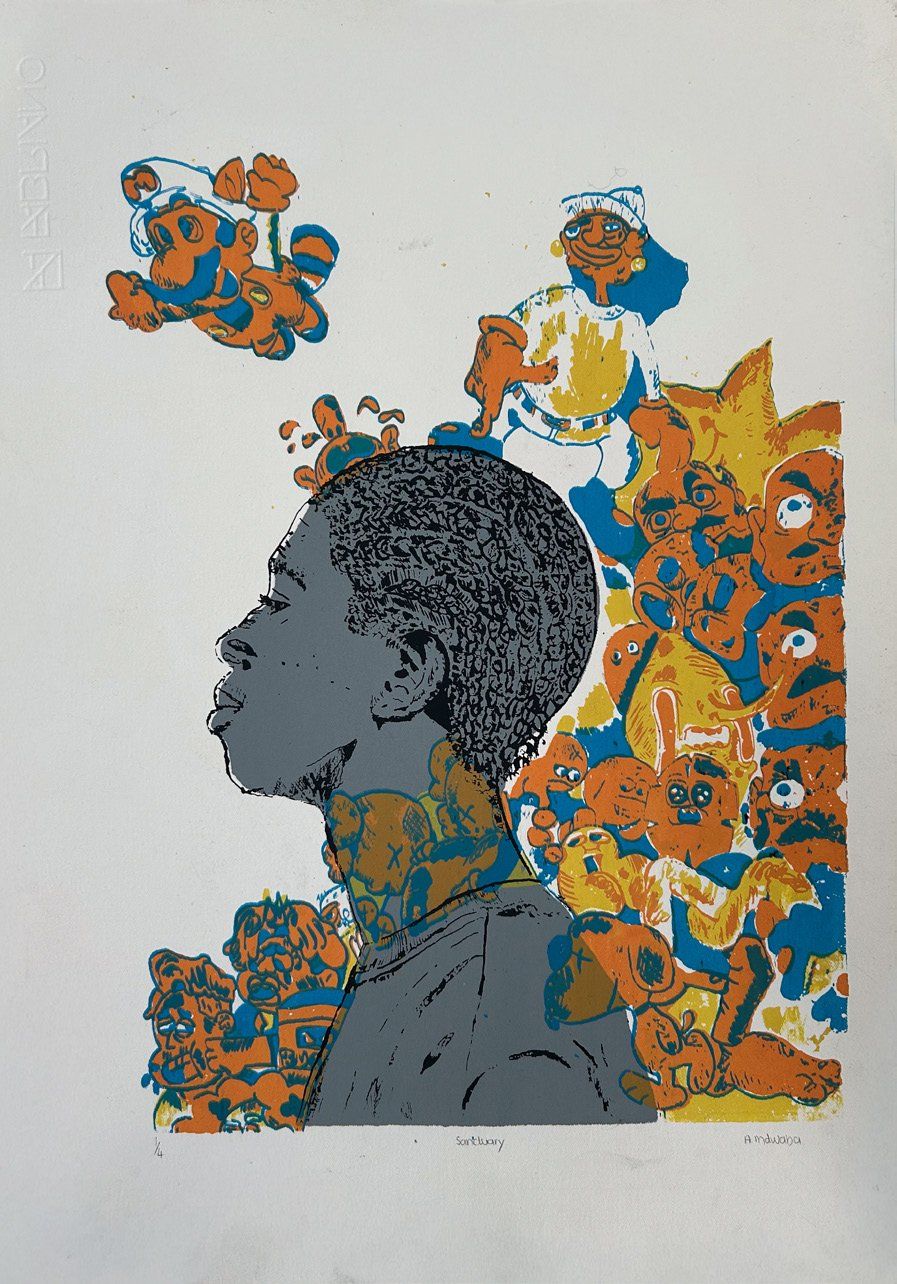
Sanctuary
Abongwe Samkelo Mdwaba
R800
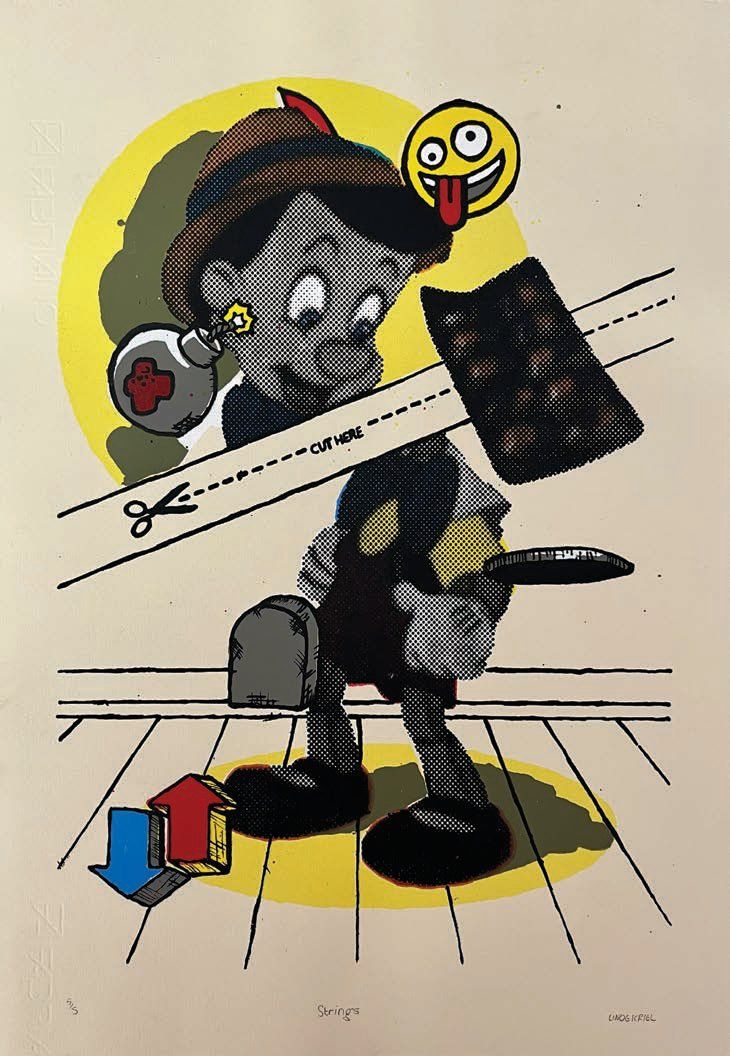
Strings
Linde Kriel
Not currently for sale
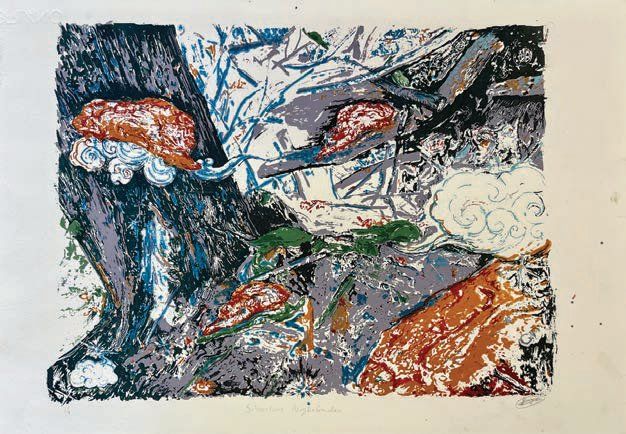
Subconscious night garden
Shani Burger
R500
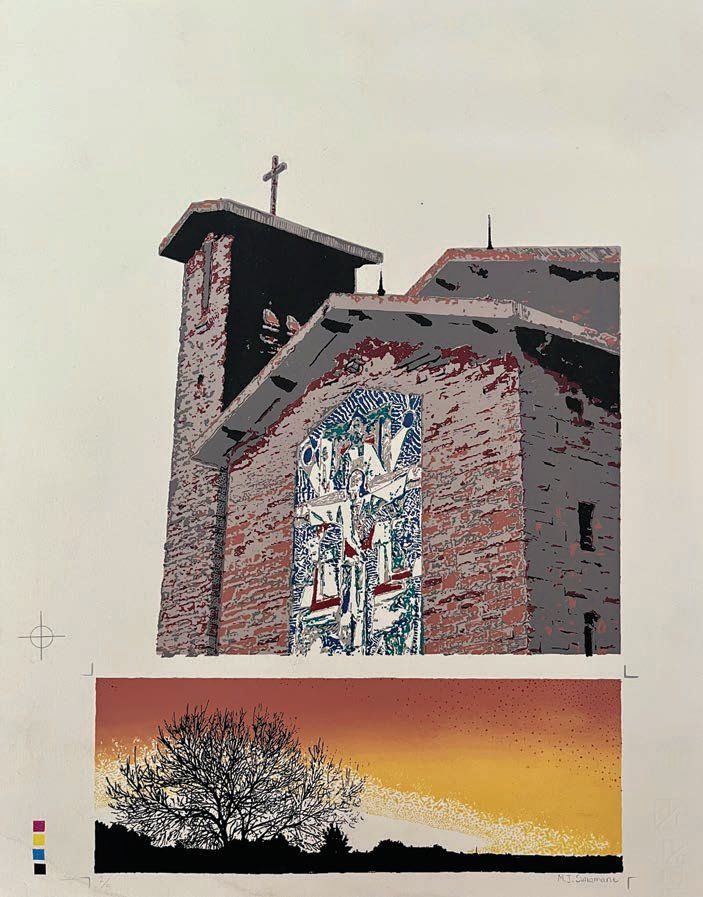
The Doctrine of Mission
Mpendulo Simamane
Not currently for sale
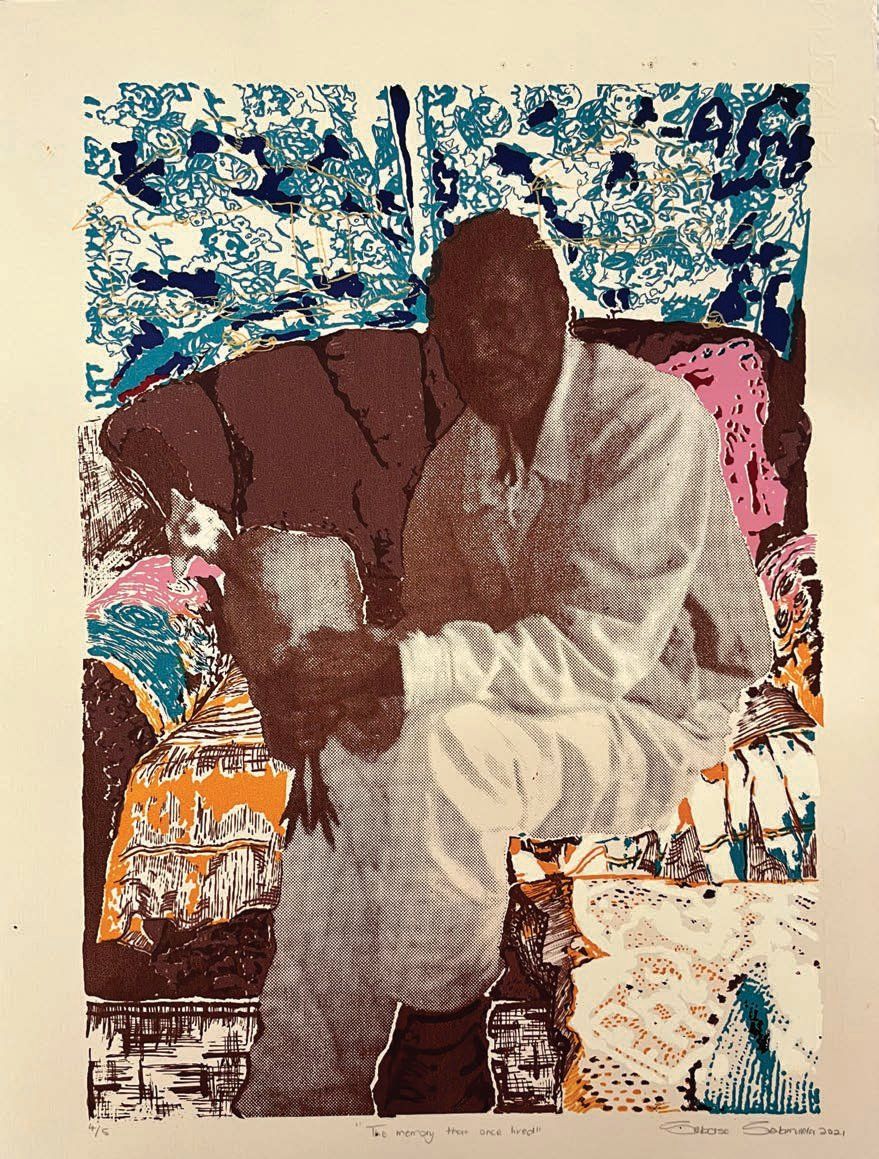
The memory that once lived
Sebotse Selamulela
Not currently for sale
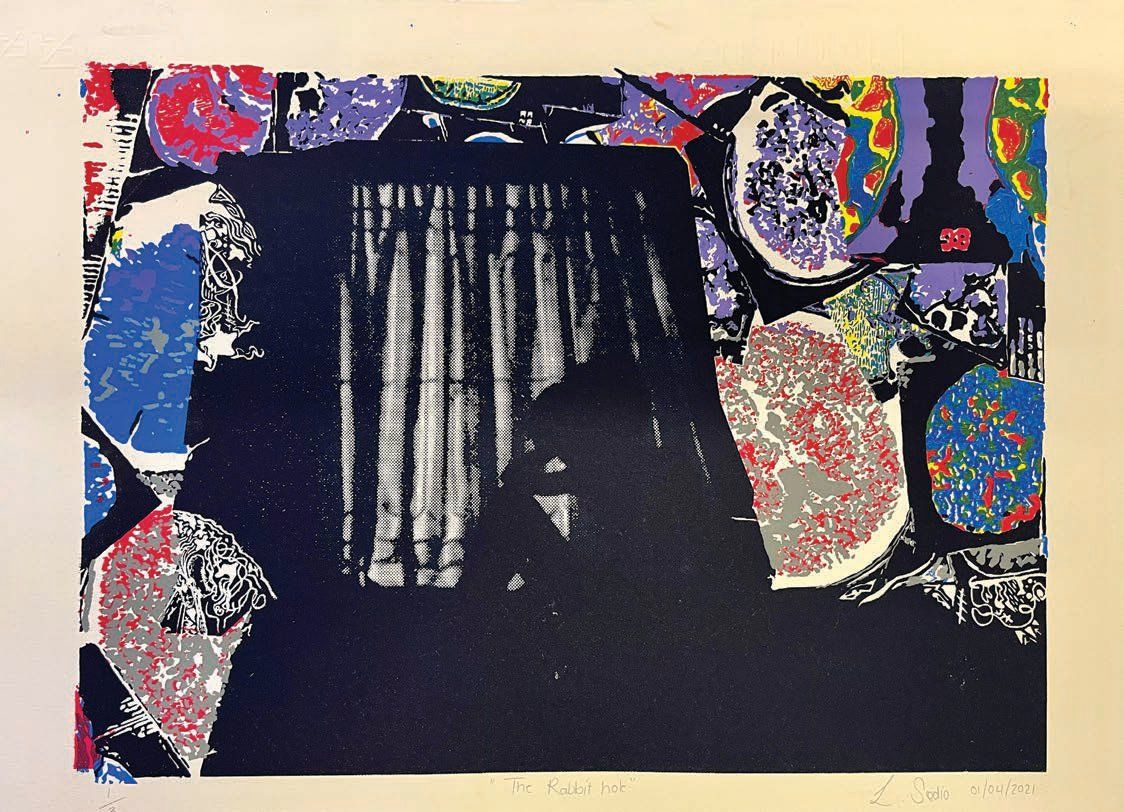
The Rabbit hole
Lesego Sedio
R800
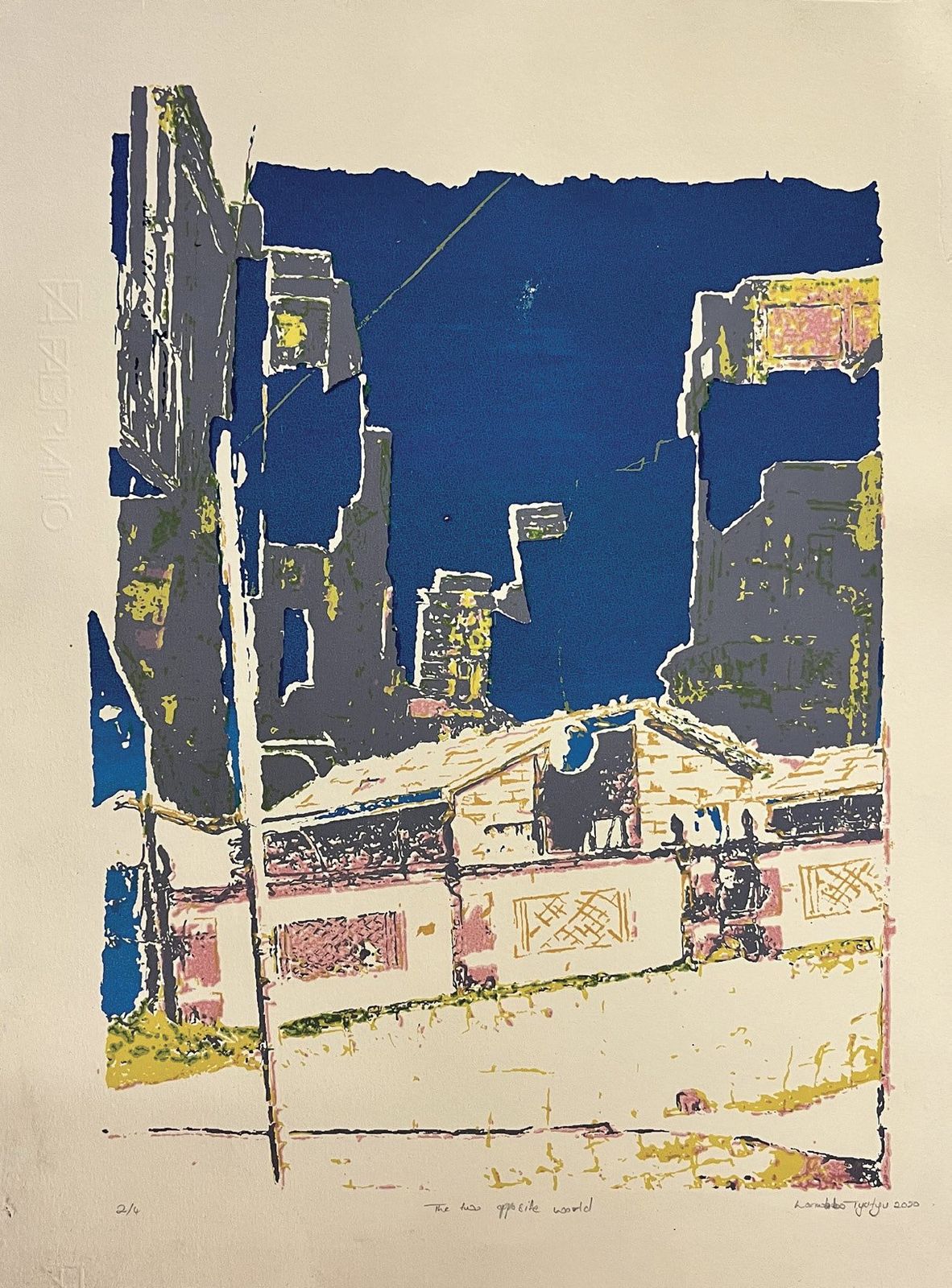
The two opposite world
Lonwabo Tyutyu
R1,500
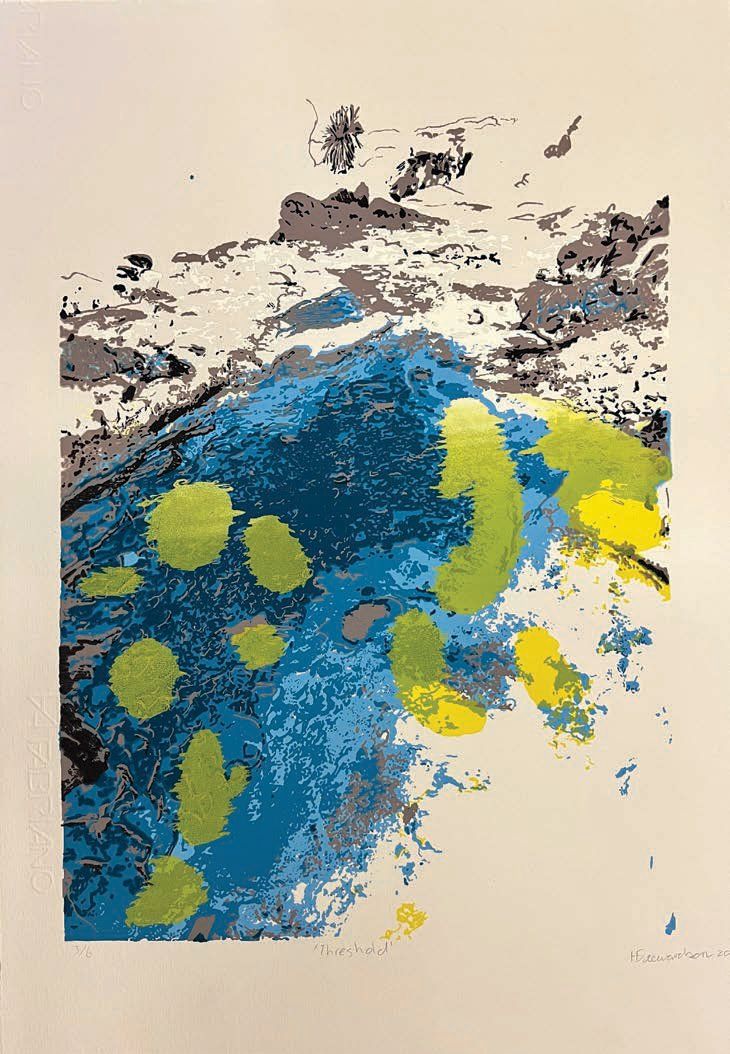
Threshold
Helen Stewardson
Not currently for sale
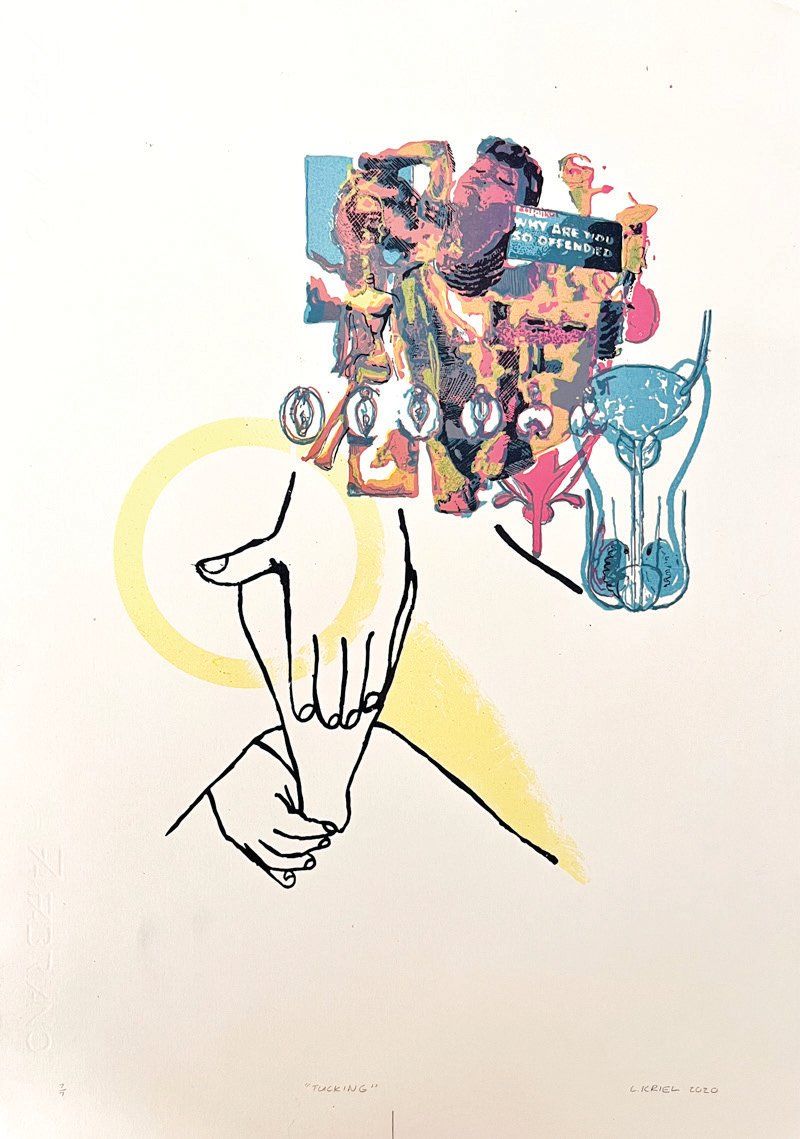
TUCKING
Linde Kriel
R700
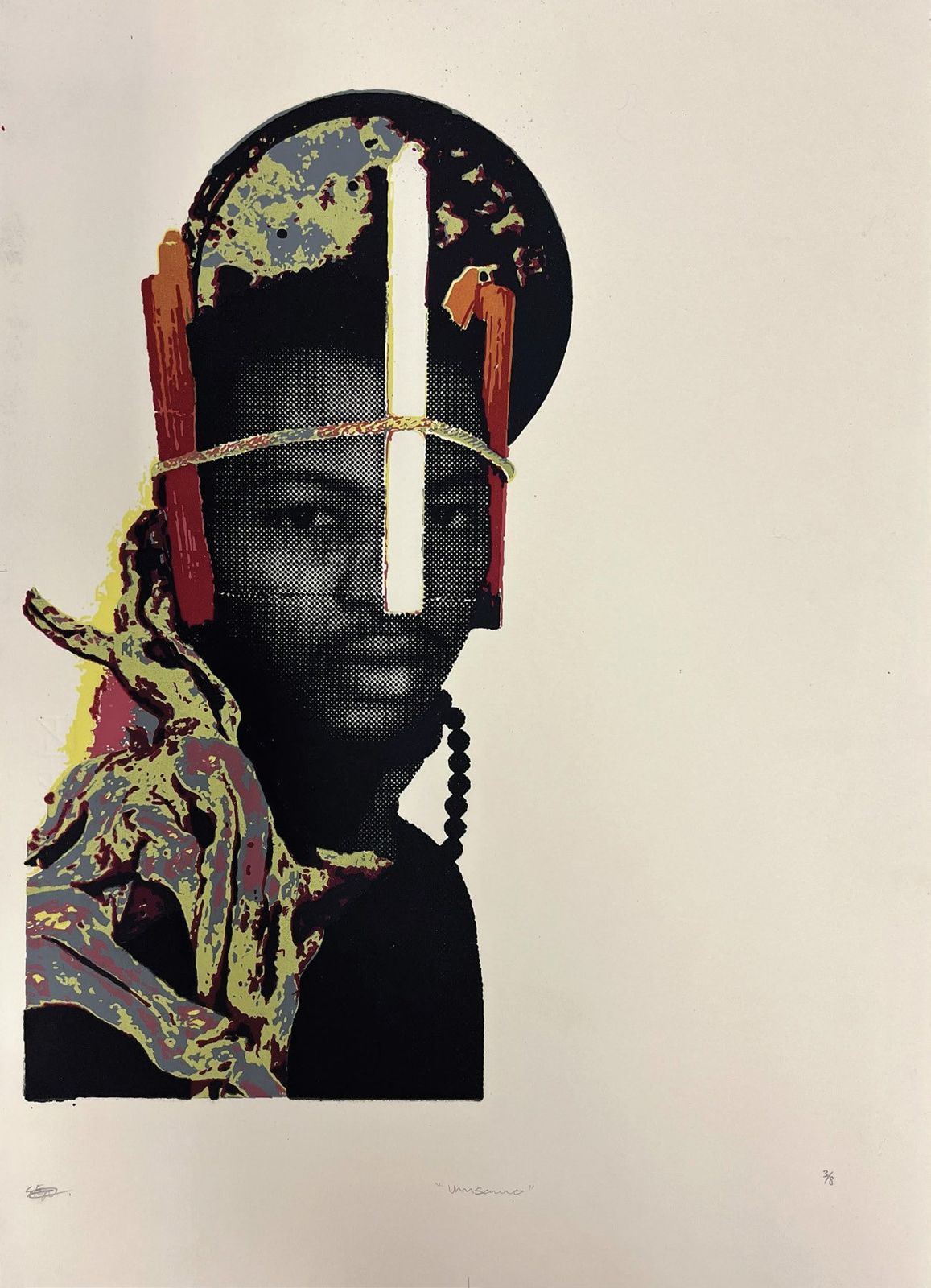
Umsamo
Sibenoxolo Foji
R1,650
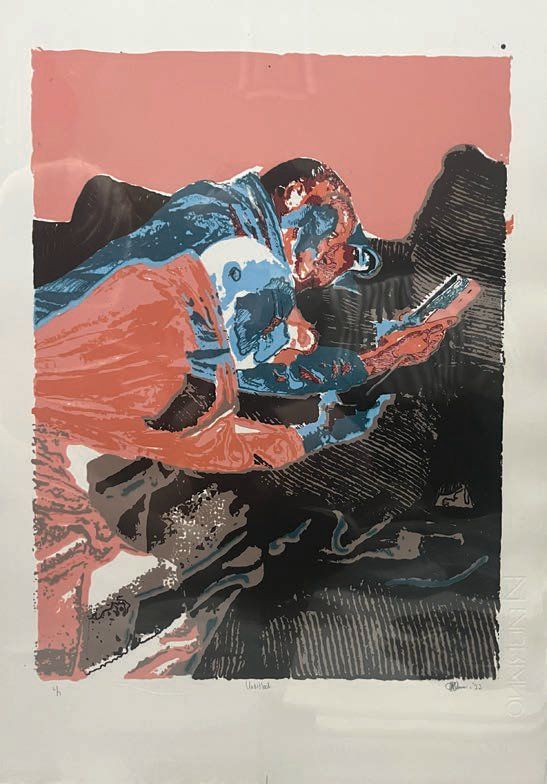
Untitled
Tlaleng Mabona
R800
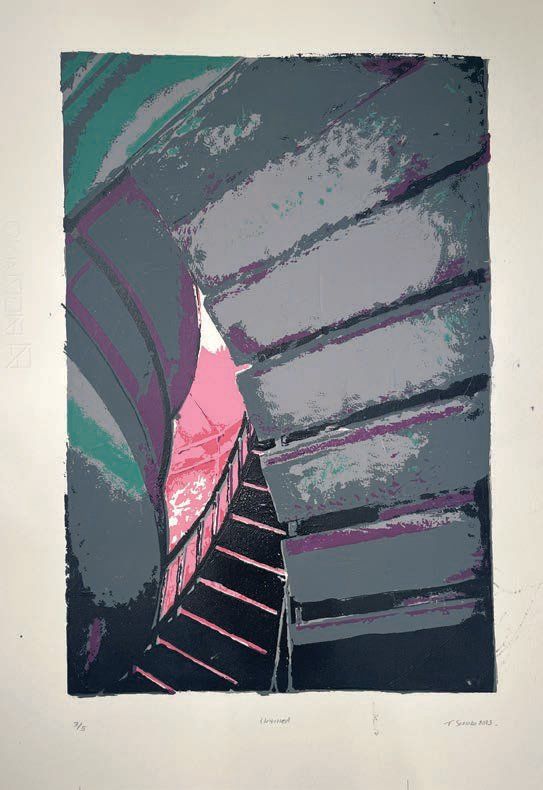
Untitled
Tinyiko Girly Sekobi
R600
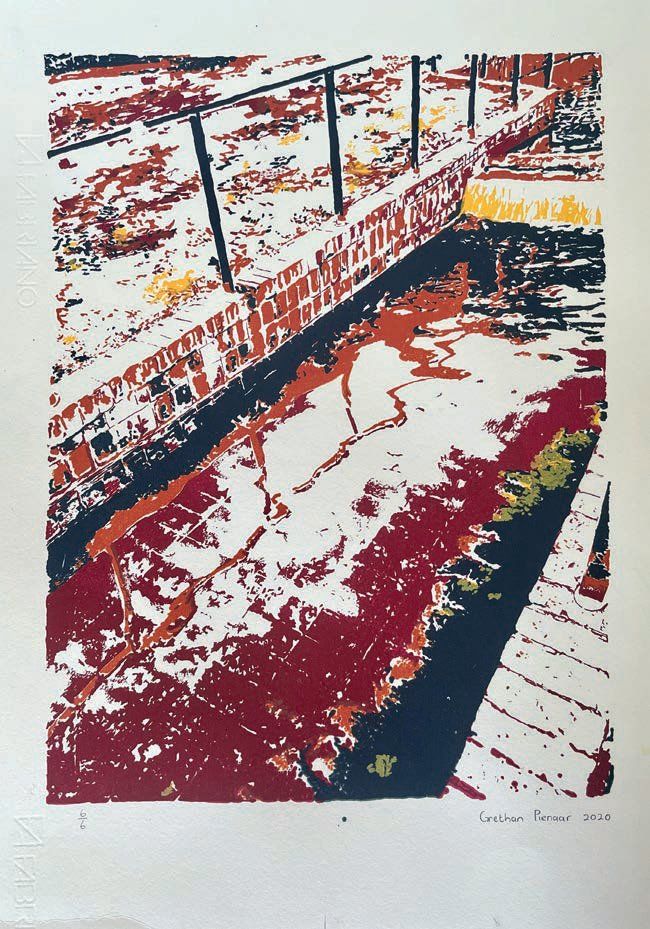
Untitled
Grethan Pienaar
R975
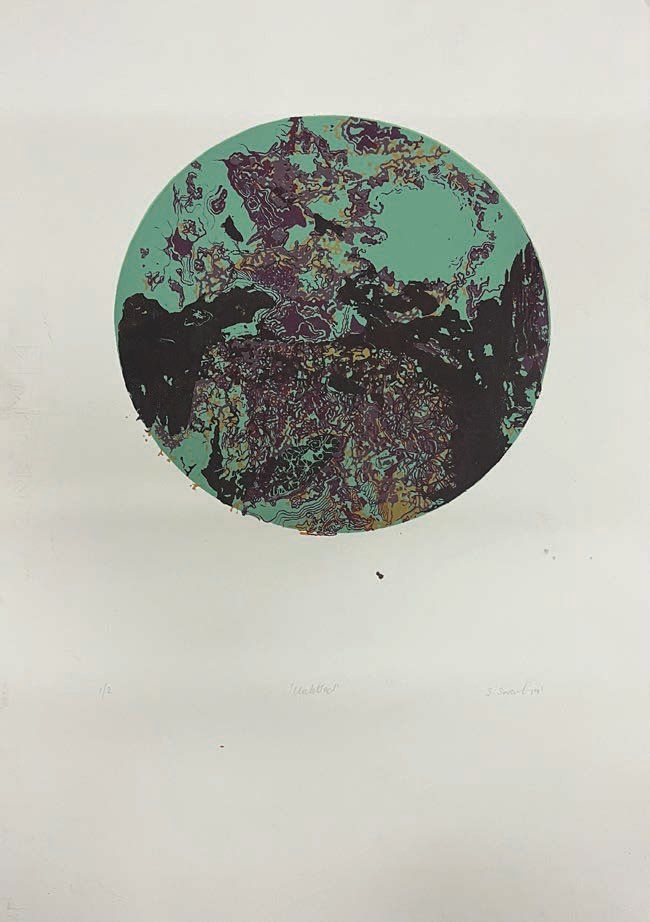
Untitled
Siobhan Swart
R850
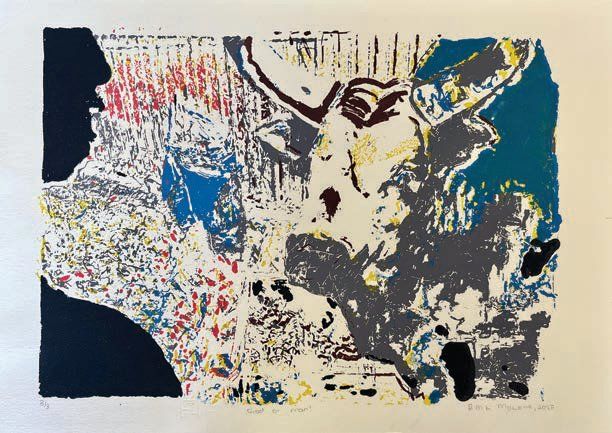
Untitled (silkscreen)
Kenosi Molehe
R750
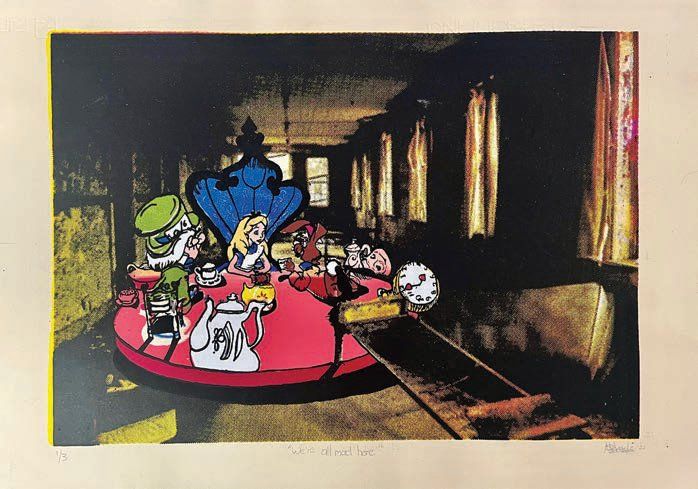
We're all mad here
Mikayla Swartz
R1,750
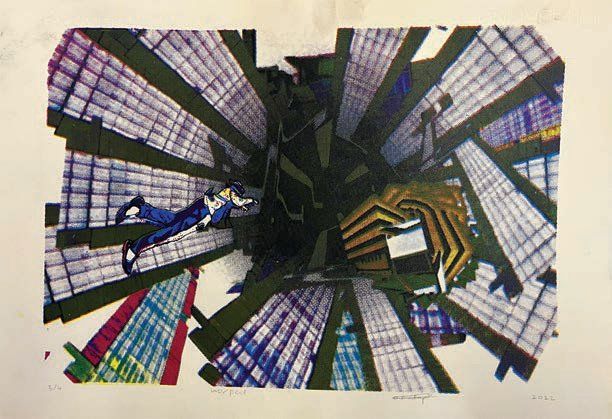
Worped
Ovayo Makapela
R680