
MONOTYPE

THE MEDIUM & ITS HISTORY
The monotype occupies a unique position in printmaking because it does the one thing printmaking is not supposed to do: it produces only one impression. Despite this apparent contradiction, the monotype has been practised since the 17th century with the Italian artist Giovanni Benedetto Castiglione is generally credited as its inventor, and it was embraced by Degas, who produced hundreds of monotypes and considered them among his most experimental and intimate works. To make a monotype, the artist applies ink or paint directly to a smooth, non-absorbent surface which is traditionally a metal or glass plate, and then presses paper onto it to transfer the image. The result is always somewhat unpredictable: the pressure of the press, the consistency of the ink, and the texture of the paper all contribute to the final image in ways that cannot be fully controlled. A second, ghost impression can sometimes be pulled from the residual ink on the plate, but it will be lighter and more fragile than the first. The monotype is valued precisely for its resistance to exact repetition. It combines the spontaneity of painting or drawing with the reversed, transferred quality of a print, producing images with a particular softness and luminosity. For many artists it serves as a space of experimentation as a place to work quickly, intuitively, and without the pressure of producing a defined edition.
HOW IT IS MADE
- Apply ink or paint to a smooth, non-absorbent plate.
- Add or remove marks to shape the image.
- Press paper onto the plate.
- Lift the impression and allow it to dry.
AS A COLLECTOR
Look for transferred painterly marks and distinguish the main impression from any lighter ghost pull.
IN THE COLLECTION
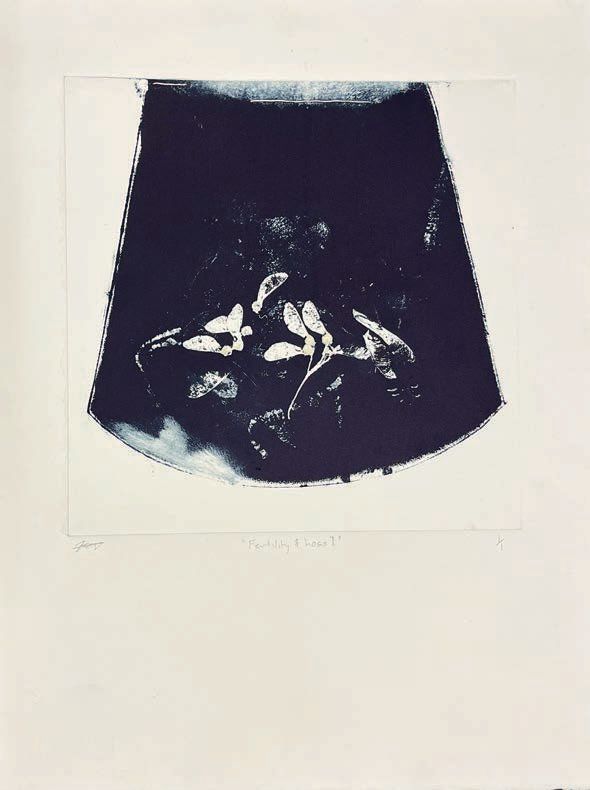
Fertility and loss I
Sibenoxolo Foji
Not currently for sale
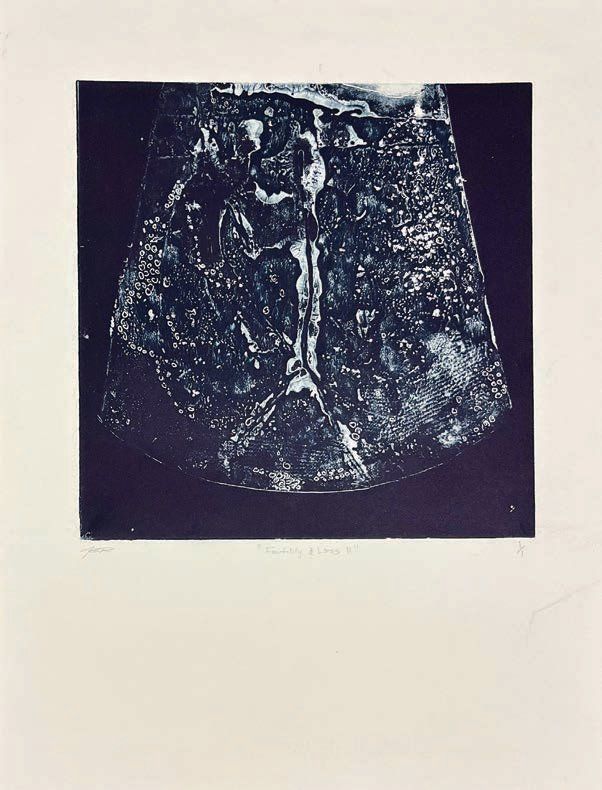
Fertility and loss II
Sibenoxolo Foji
Not currently for sale
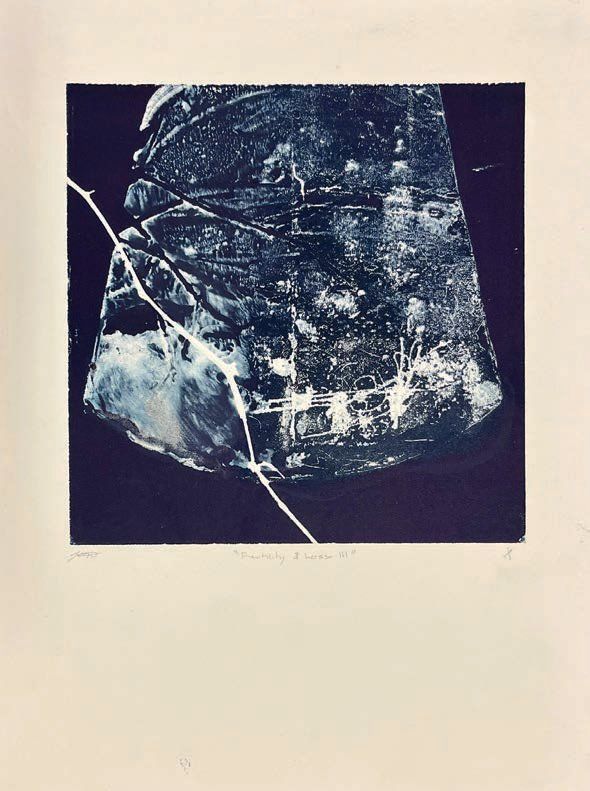
Fertility and loss III
Sibenoxolo Foji
Not currently for sale
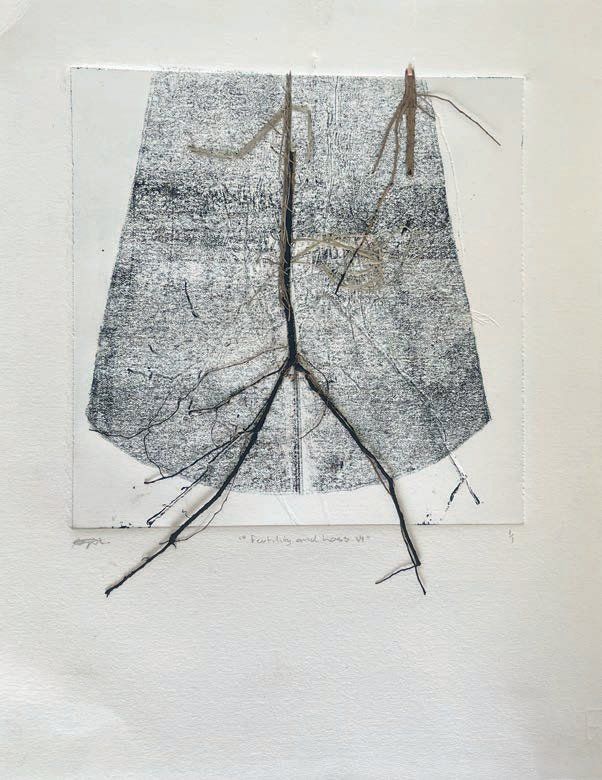

Fertility and loss IV
Sibenoxolo Foji
Not currently for sale
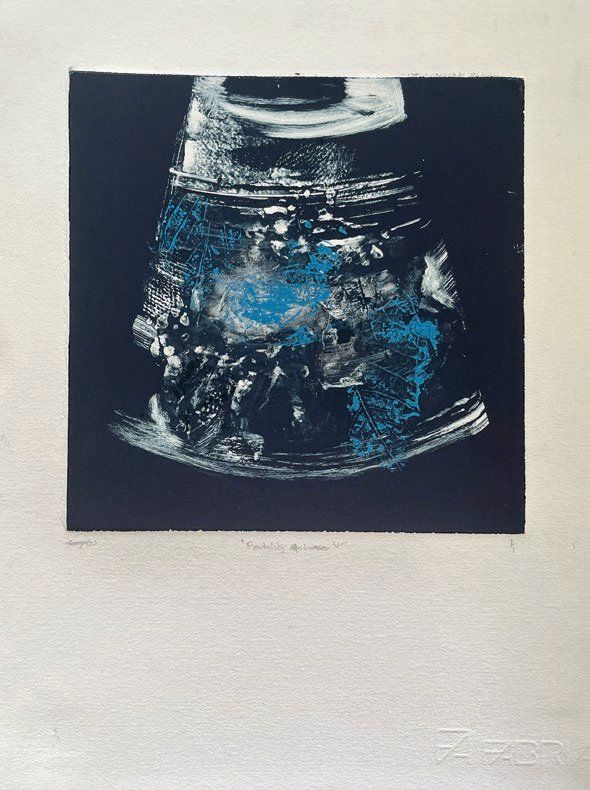
Fertility and loss VI
Sibenoxolo Foji
Not currently for sale
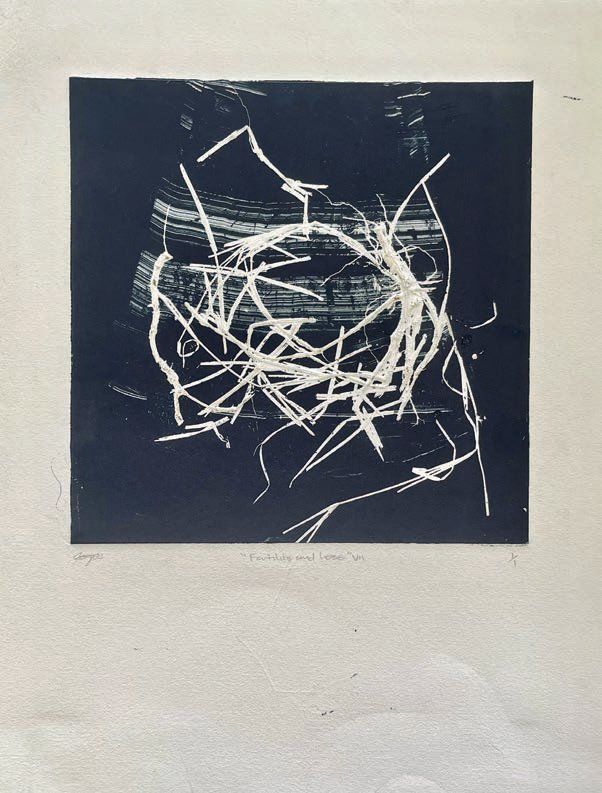
Fertility and loss VII
Sibenoxolo Foji
Not currently for sale
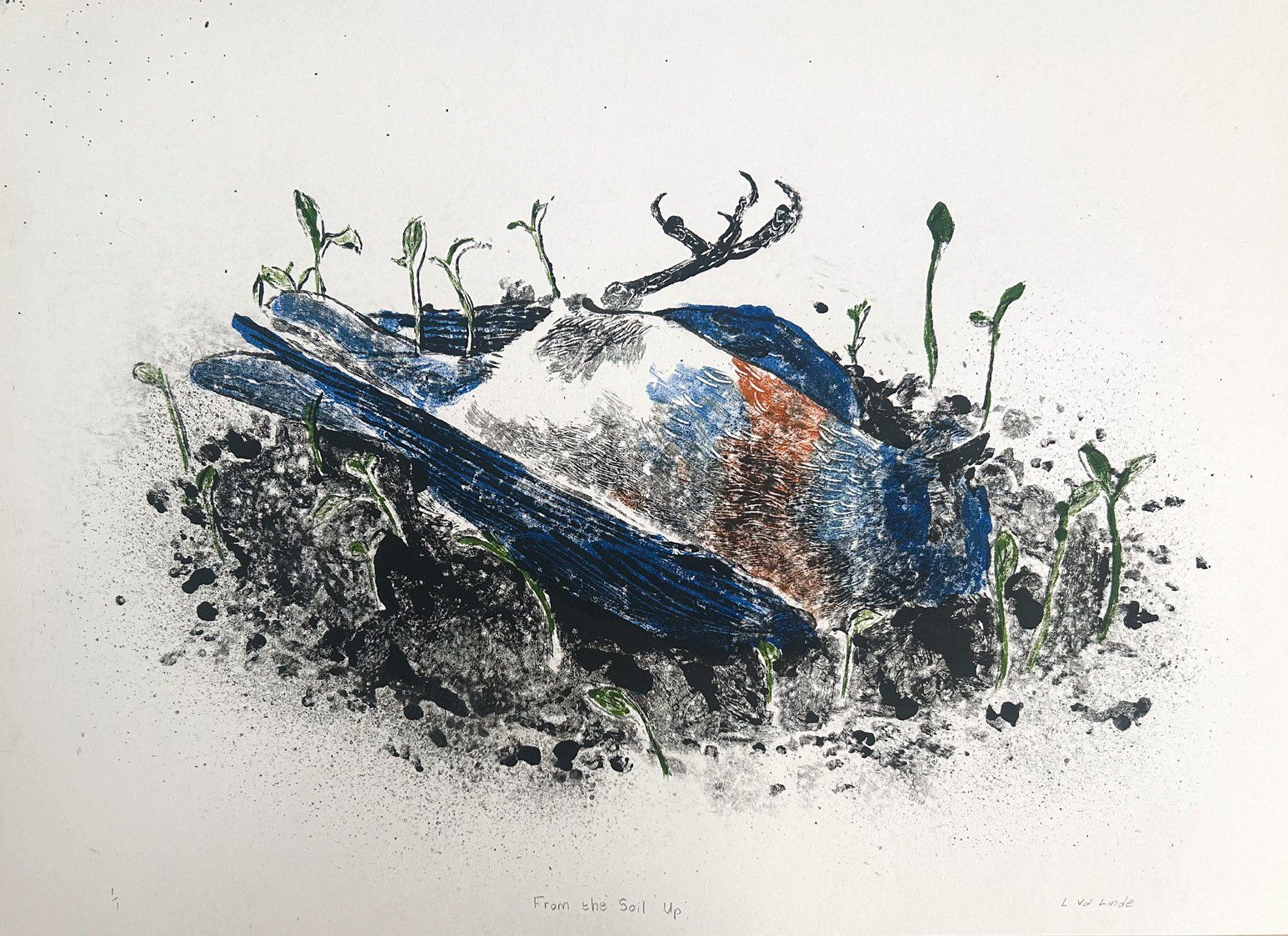
From the Soil Up
Linde Kriel
R800
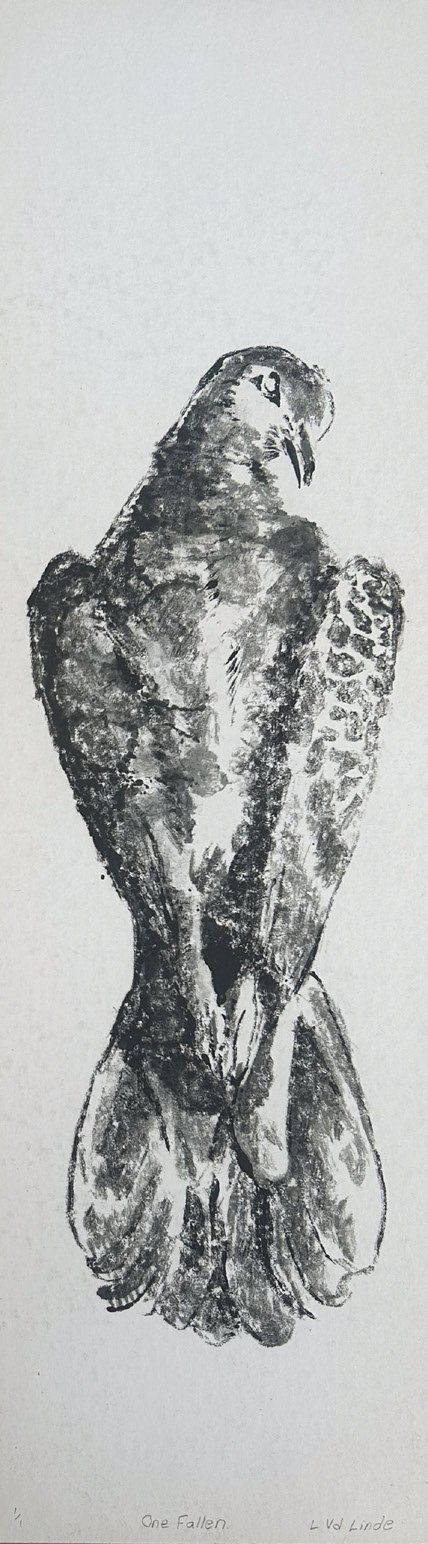
One Fallen
Linde Kriel
R800
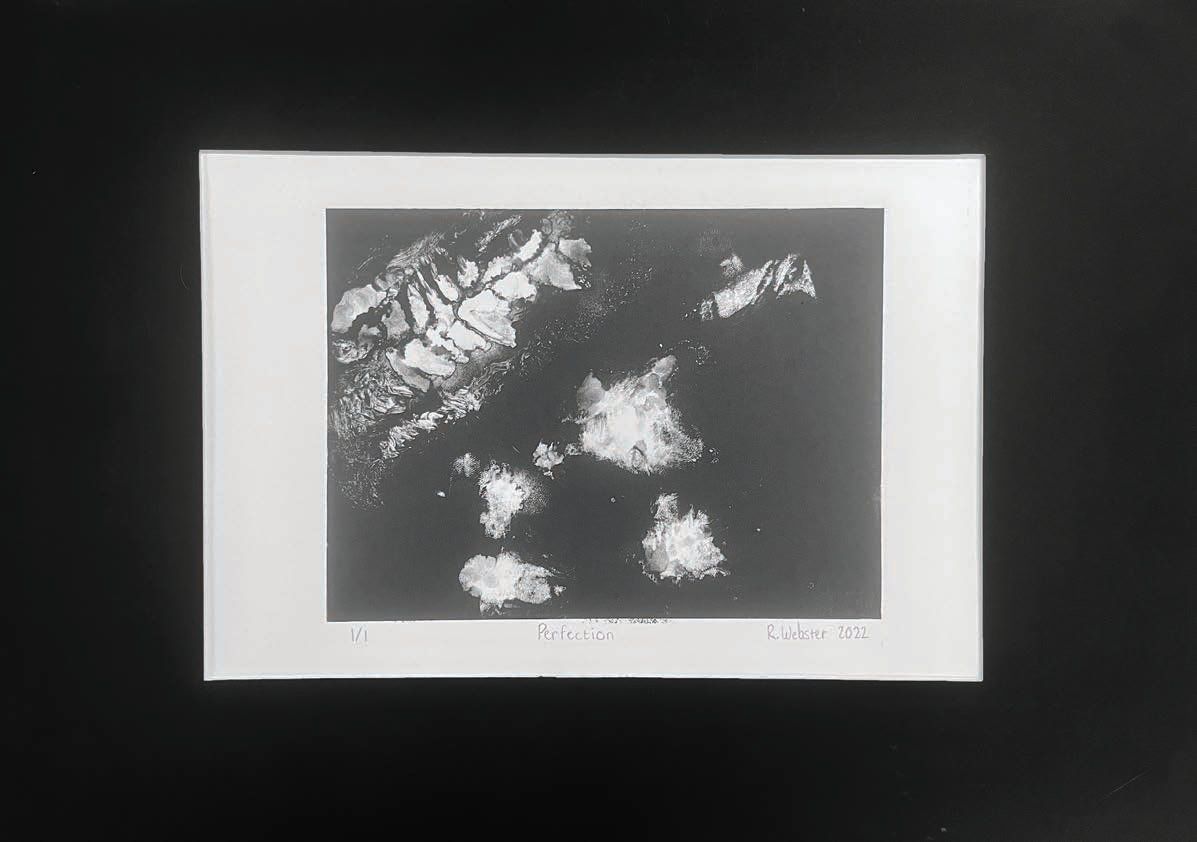
Perfection
Rebecca Webster
R800
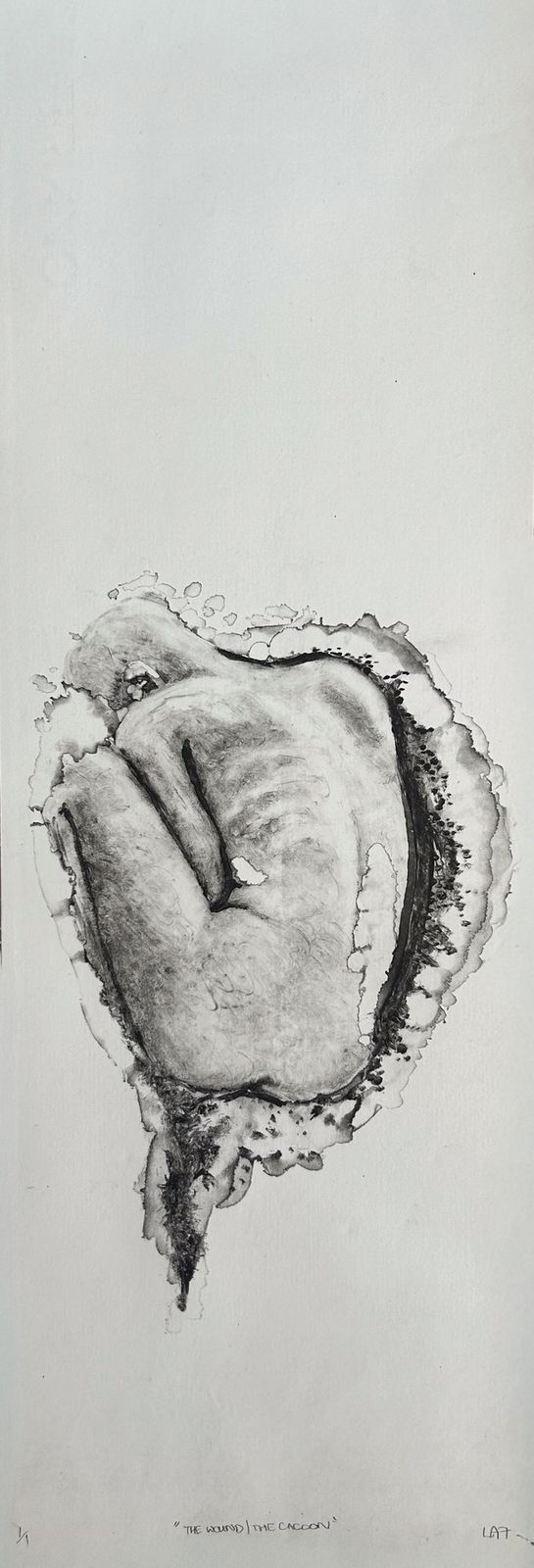
The Cocoon & The Wound
Lloyd Flanegan
R1,200
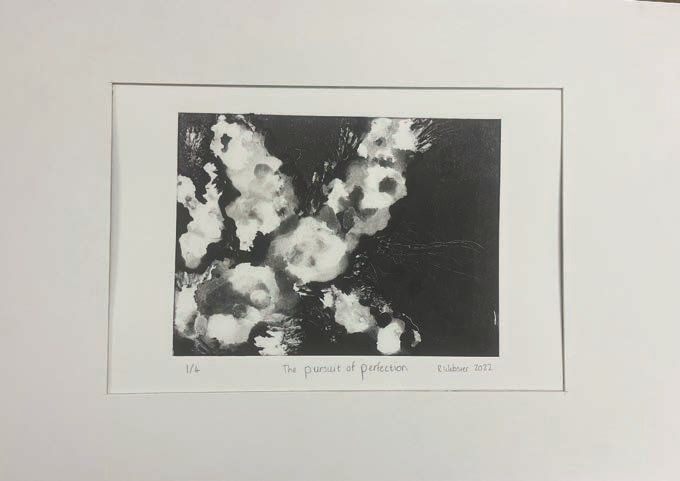
The Persuit of Perfection
Rebecca Webster
R700
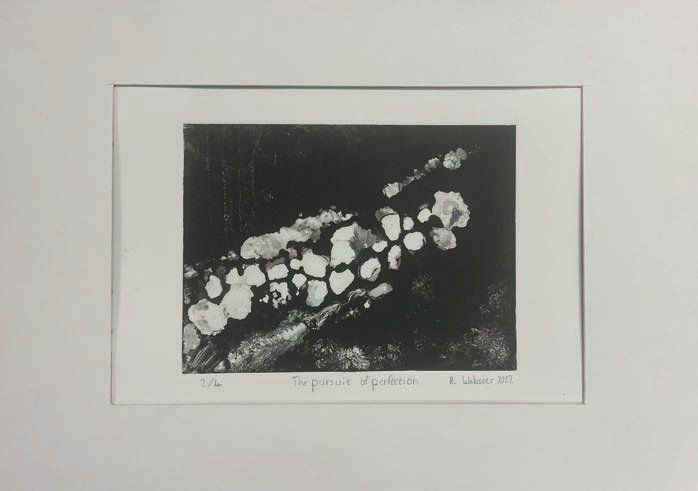
The Persuit of Perfection II
Rebecca Webster
R700
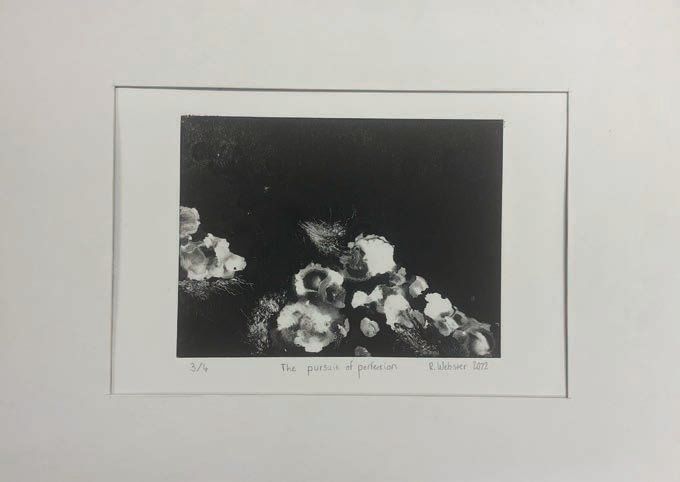
The Persuit of Perfection III
Rebecca Webster
R700
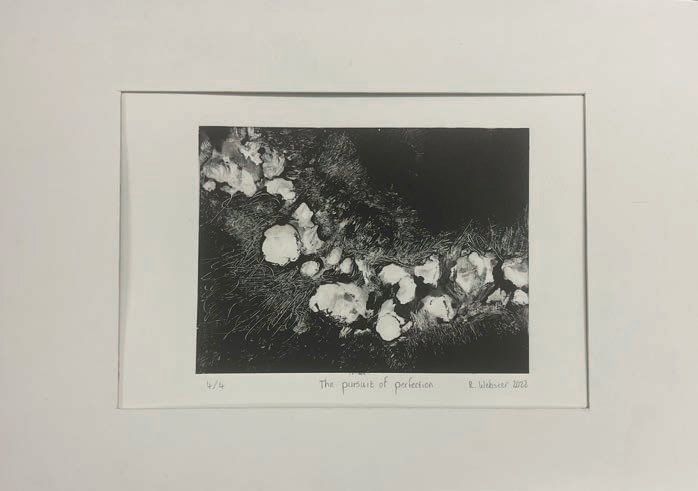
The Persuit of Perfection IV
Rebecca Webster
R700
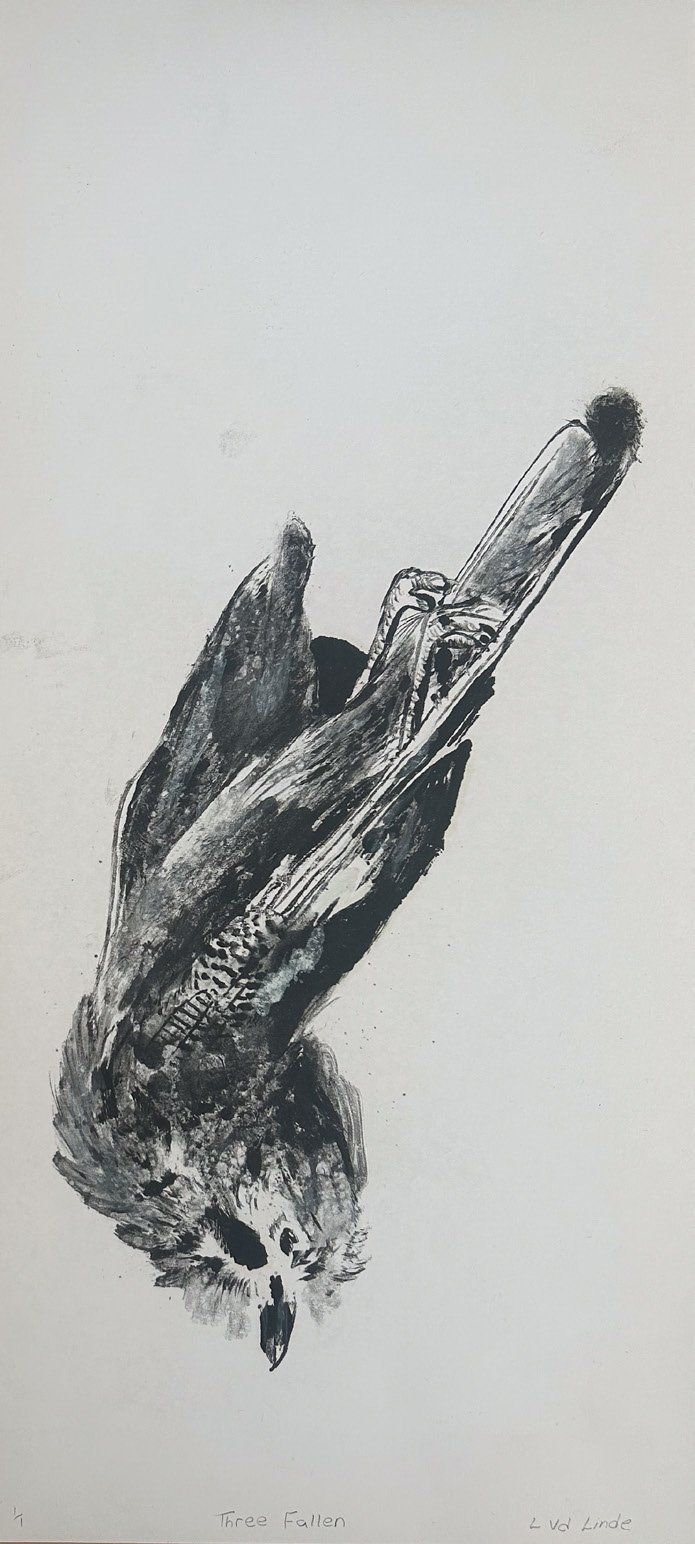
Three Fallen
Linde Kriel
R800
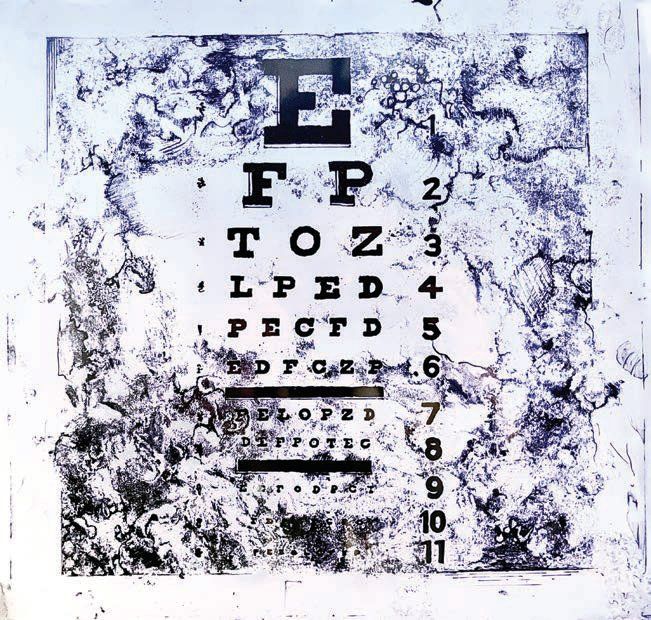
Troubled Eyes
Sethu Menye
R1,200
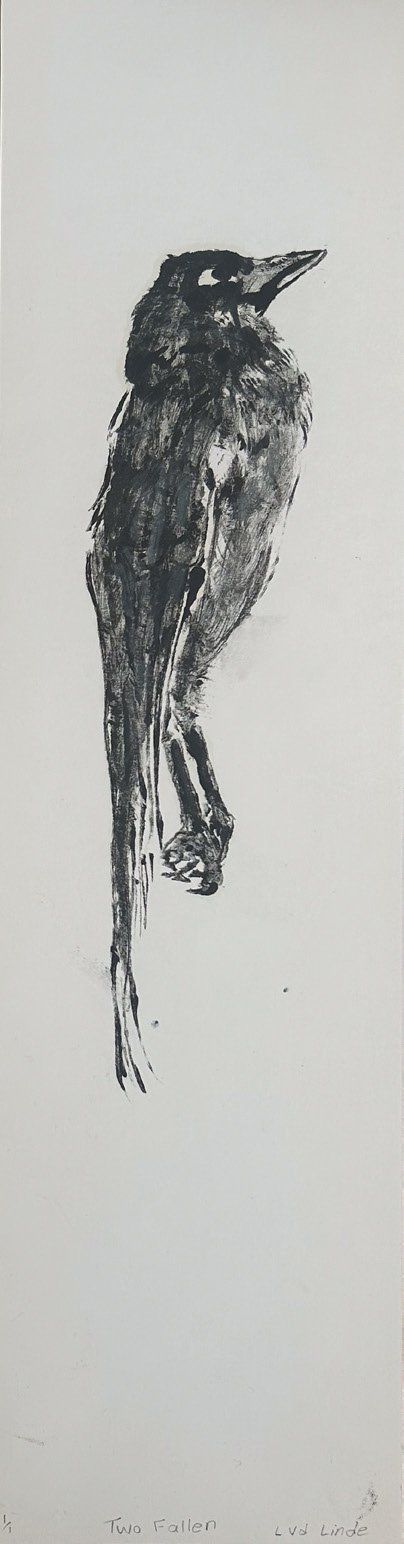
Two Fallen
Linde Kriel
R800