LINOCUT

THE MEDIUM & ITS HISTORY
Linocut emerged in the early 20th century as a more accessible alternative to the woodblock print. Linoleum which is originally a floor covering material made from linseed oil and wood dust pressed onto burlap allowing it to proved an ideal printing surface which was softer than wood, easier to carve, and forgiving enough for beginners while still capable of extraordinary refinement in skilled hands. The process mirrors that of woodblock printing. The artist draws onto the linoleum surface and carves away the areas that should not print, leaving a raised image that is inked and pressed onto paper. Because linoleum offers no grain, cuts can move freely in any direction, allowing for a fluidity and expressiveness that wood does not always permit. In South Africa, linocut became particularly significant through the work of John Muafangejo, the Polly Street Art Centre in Johannesburg, and later the Rorke's Drift Art and Craft Centre in KwaZulu-Natal, where it became a vehicle for storytelling, spiritual expression, and political resistance. Today it remains one of the most widely taught and practised printmaking techniques in South African art schools, and it is the most richly represented medium in this exhibition.
HOW IT IS MADE
- Transfer a design to linoleum, allowing for reversal.
- Carve away non-printing areas with gouges.
- Roll an even layer of ink onto the raised surface.
- Print with hand pressure or a press, then dry the paper.
AS A COLLECTOR
Look for crisp edges, expressive cuts and deliberate contrasts between ink and paper.
IN THE COLLECTION
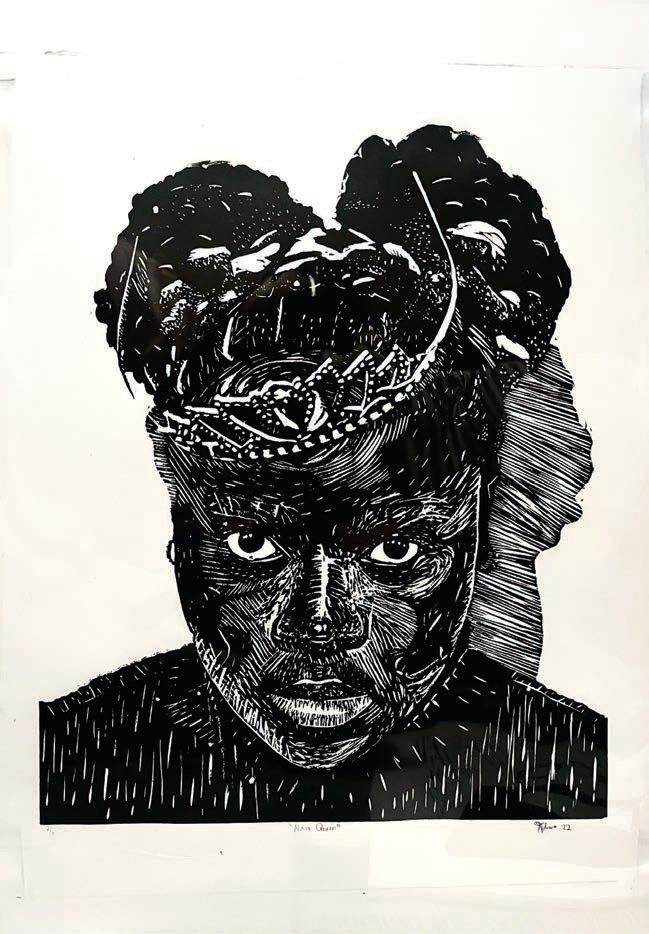
Alpha Queen
Tlaleng Mabona
R850
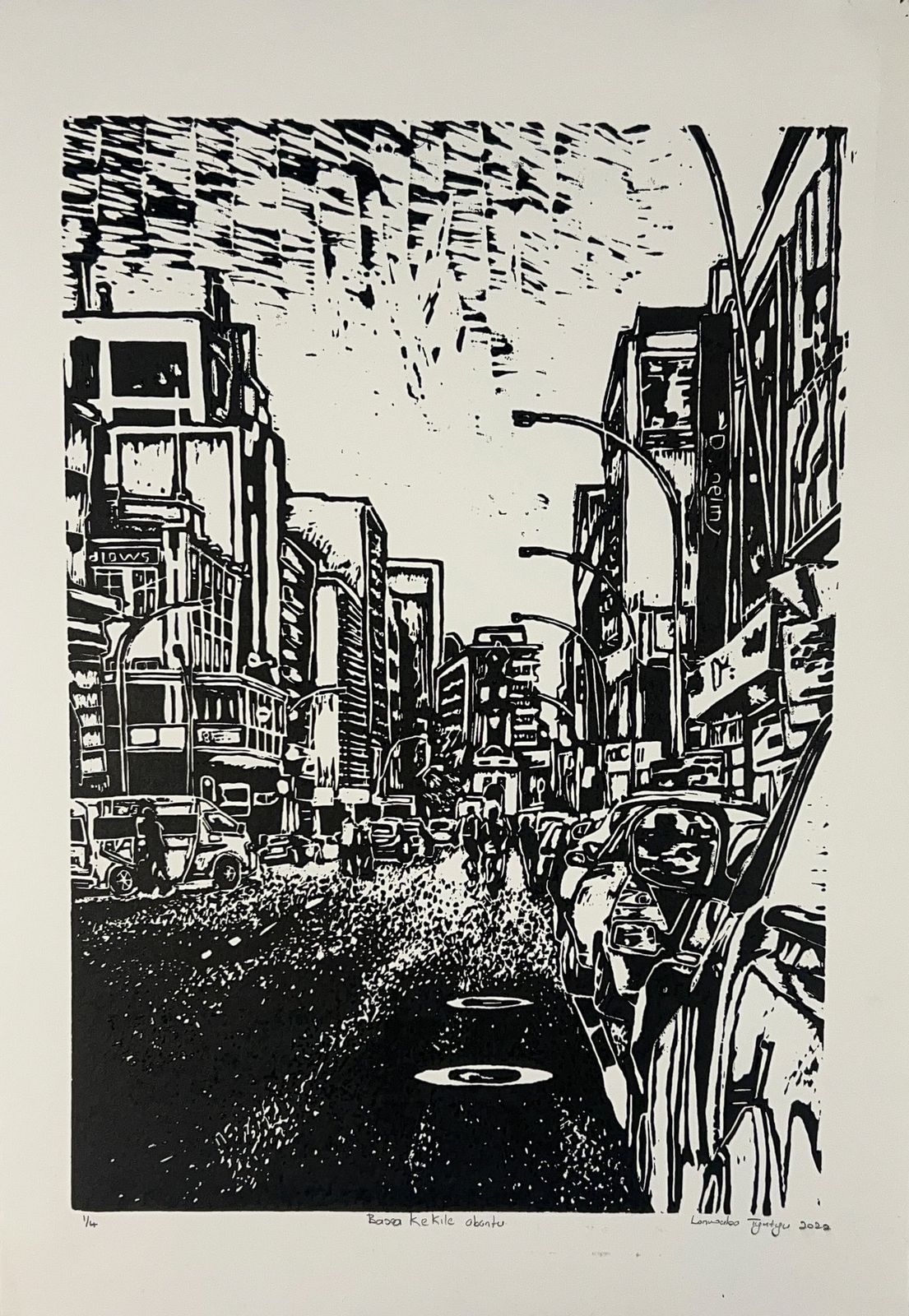
Baxa Kekile abantu
Lonwabo Tyutyu
R1,200
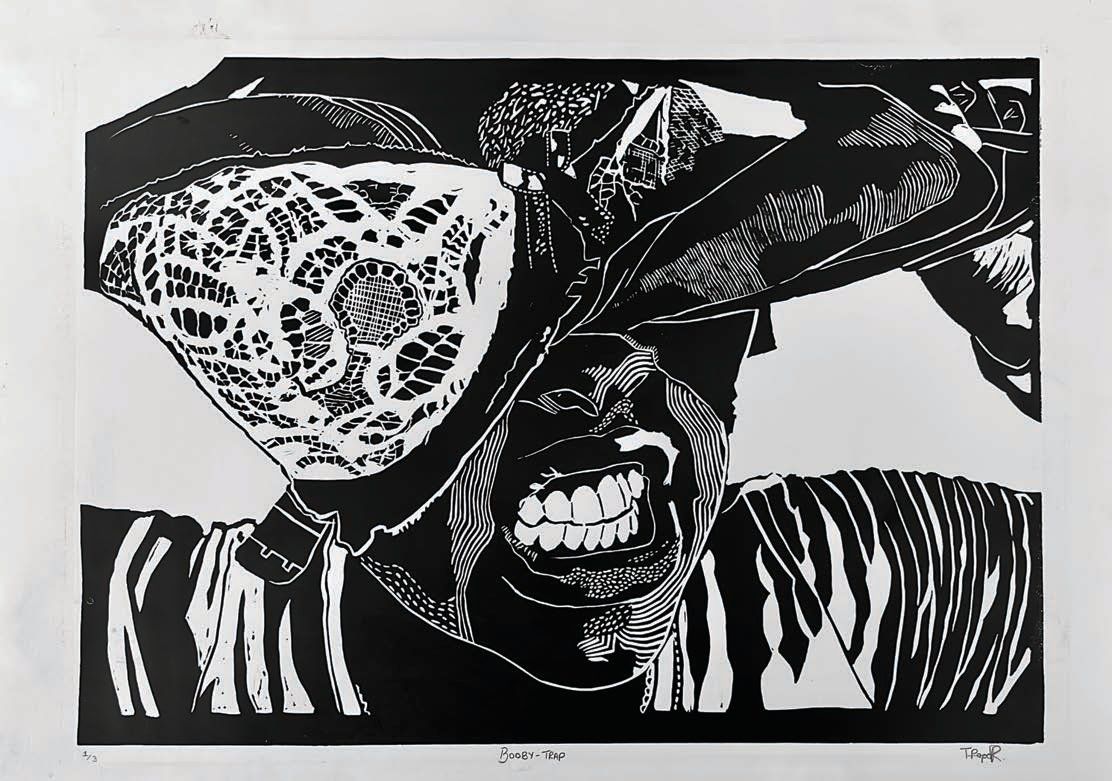
Booby-Trap
Tshegofatso Papo
R1,200
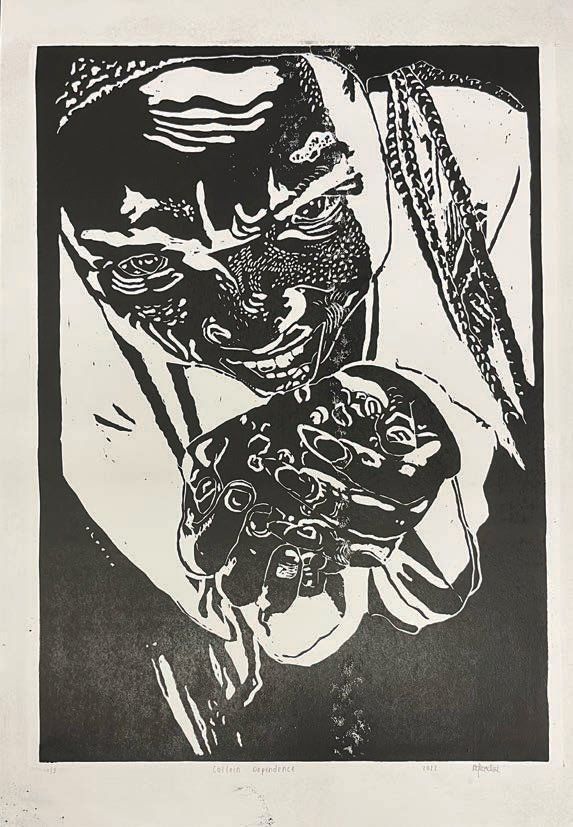
Caffeine dependence
Mikayla Swartz
R300
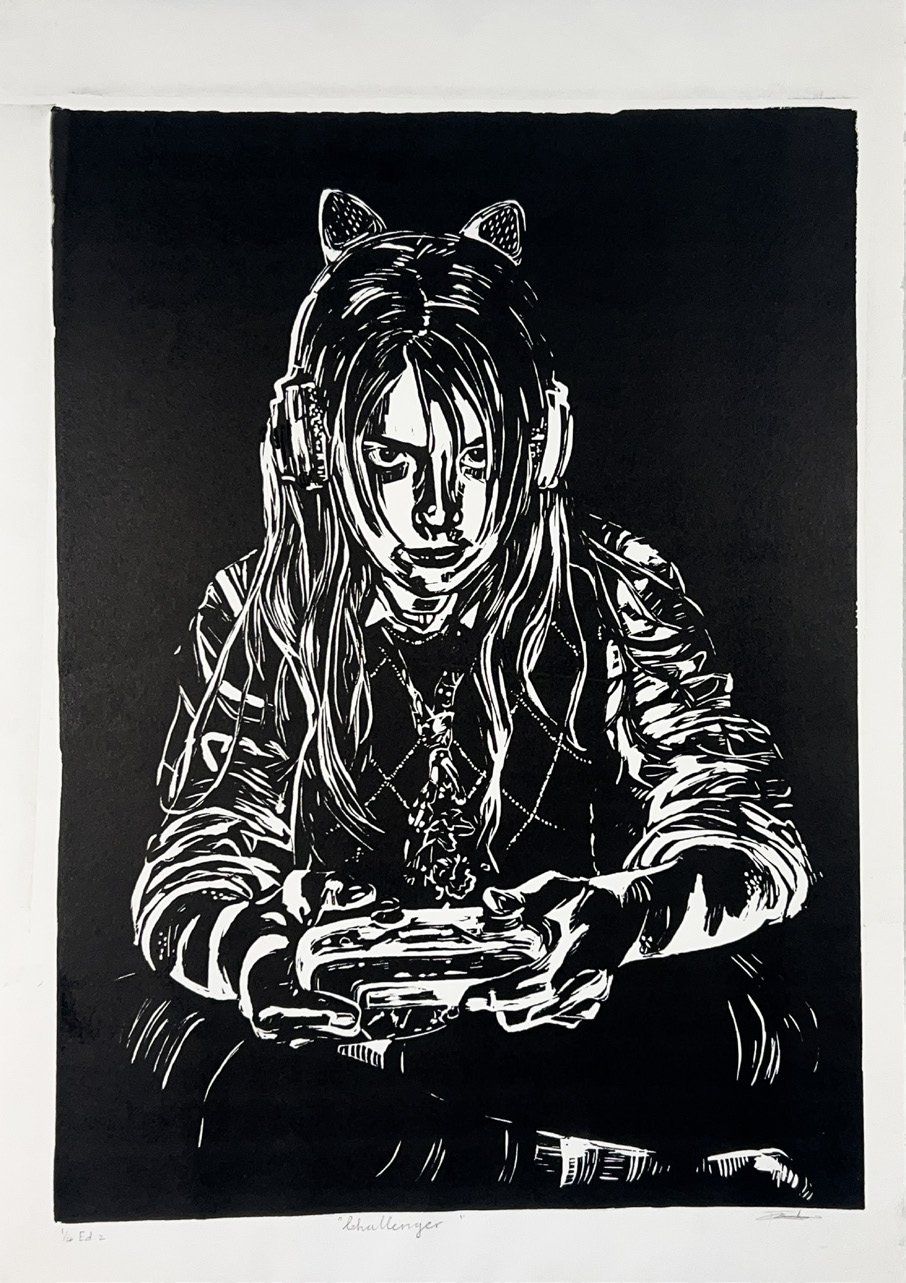
Challenger
Lizka Fouche
R1,200
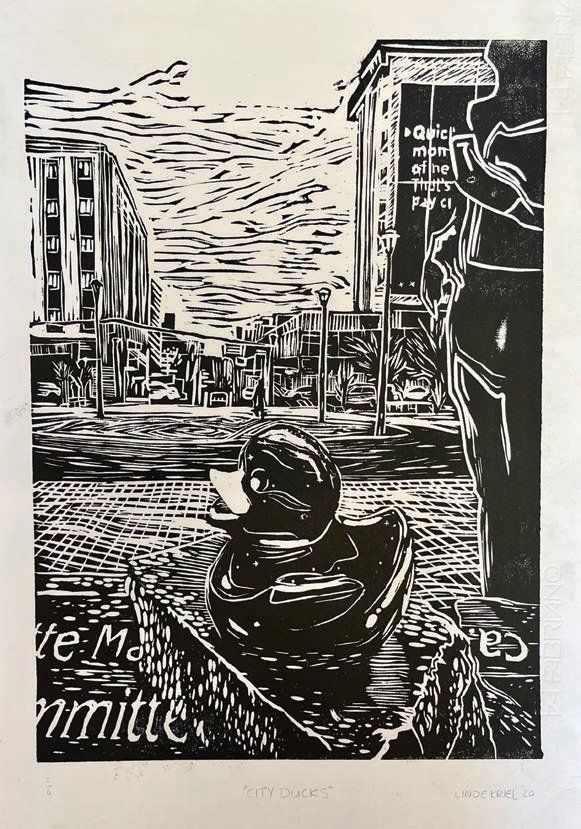
City Ducks
Linde Kriel
Not currently for sale
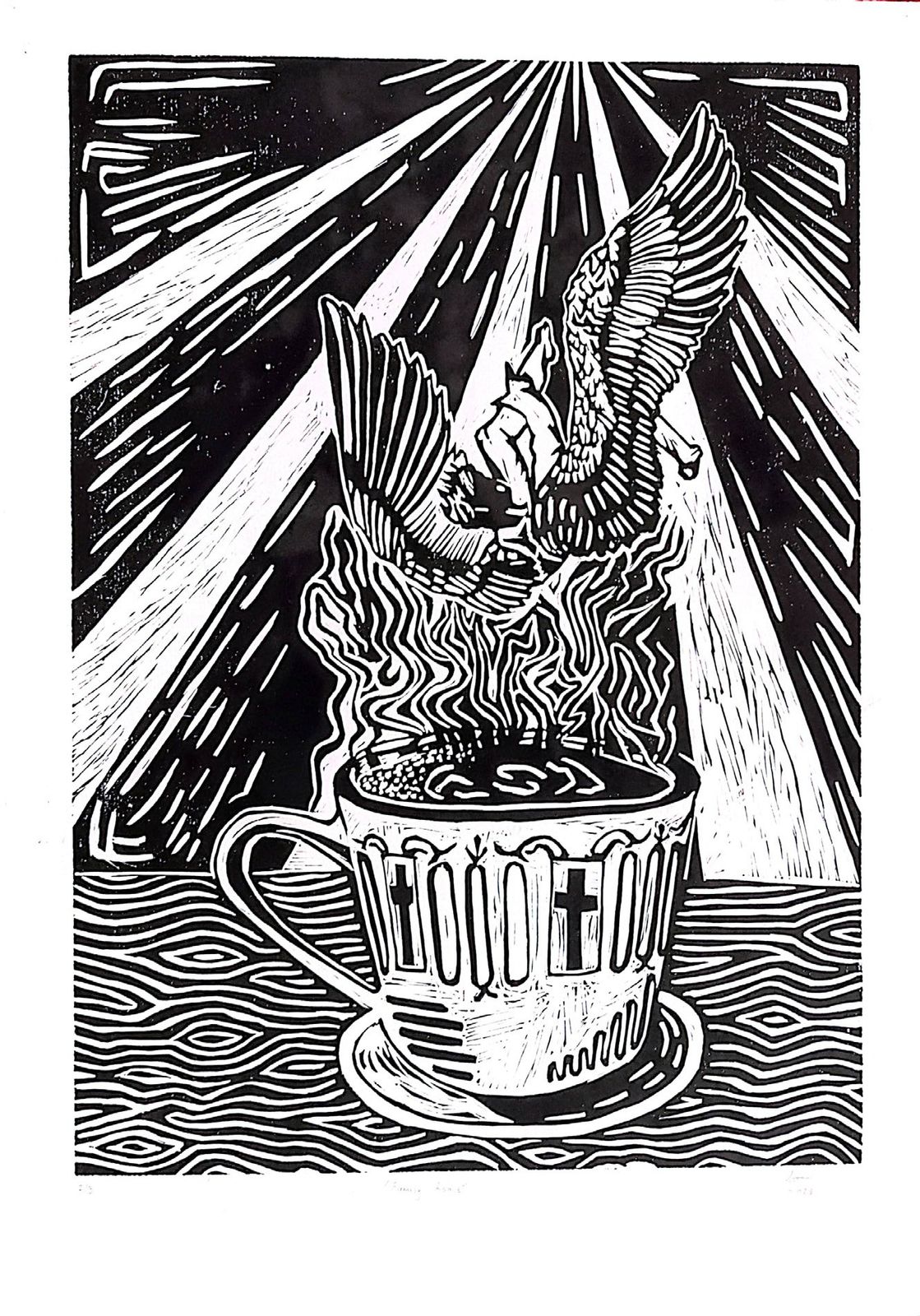
Family Roast
Luca Geldenhuys
R1,200
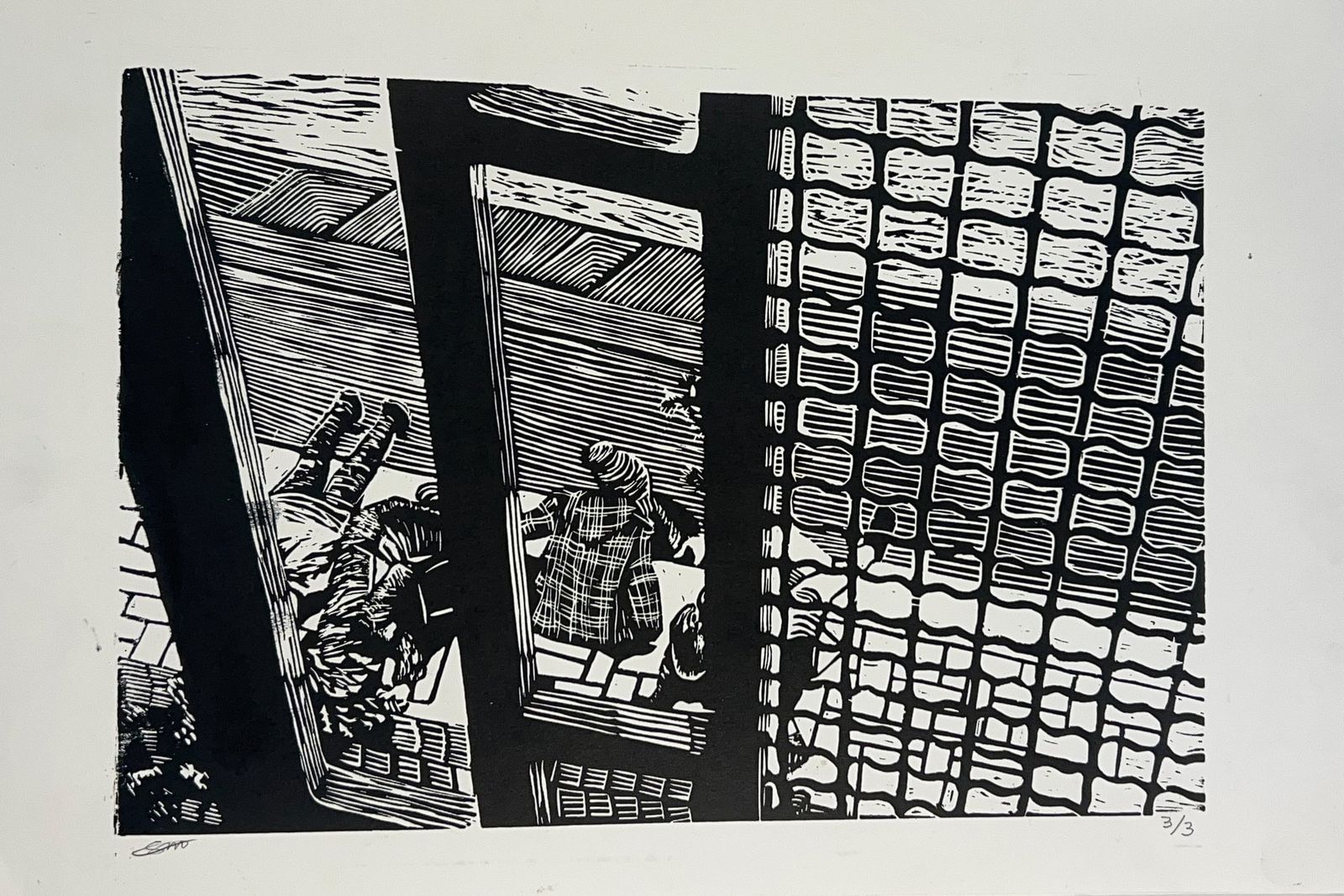
For Street Kids
Sethu Menye
R1,800
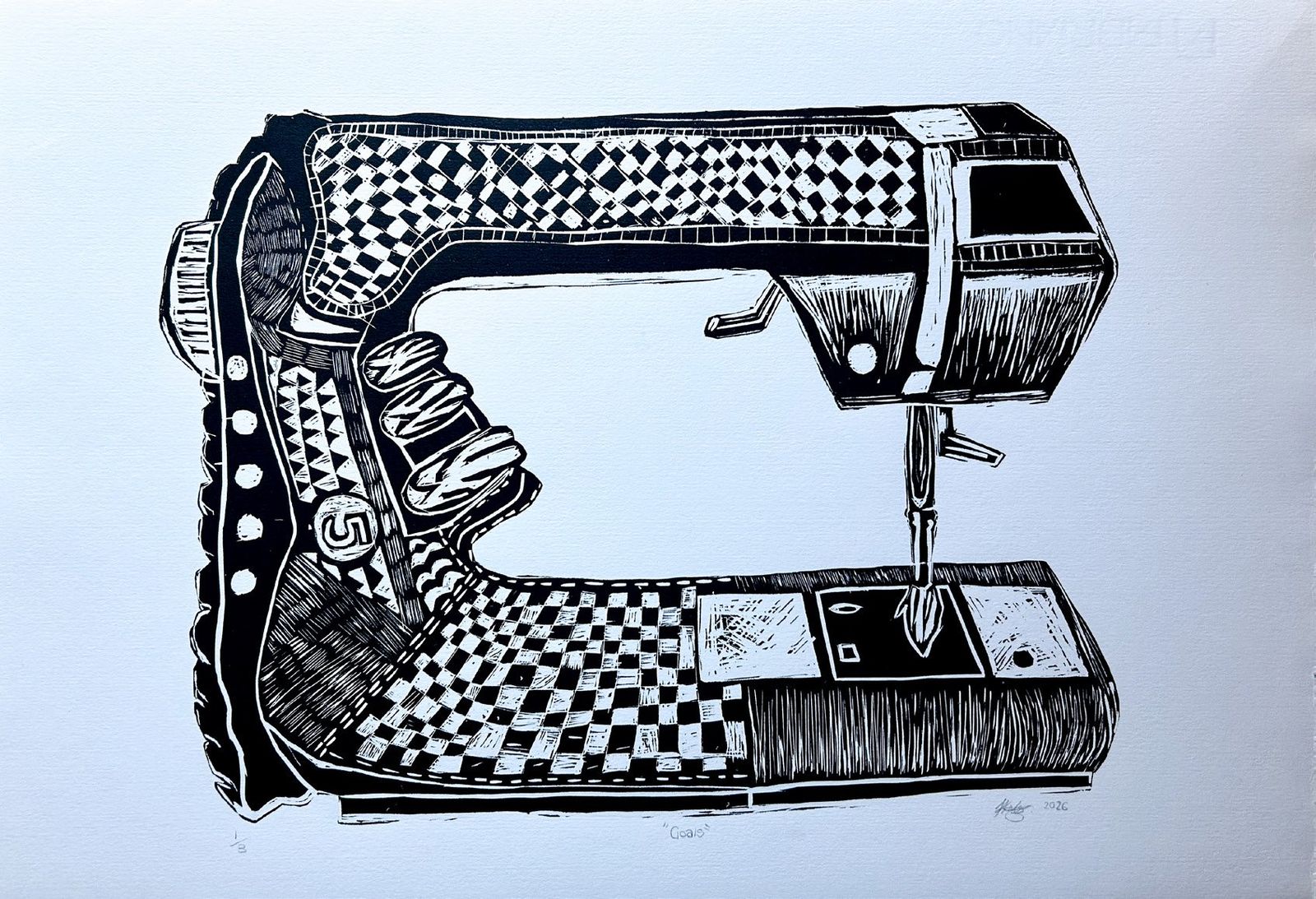
Goals
Shalom Chimuanya Anizoba
R1,200
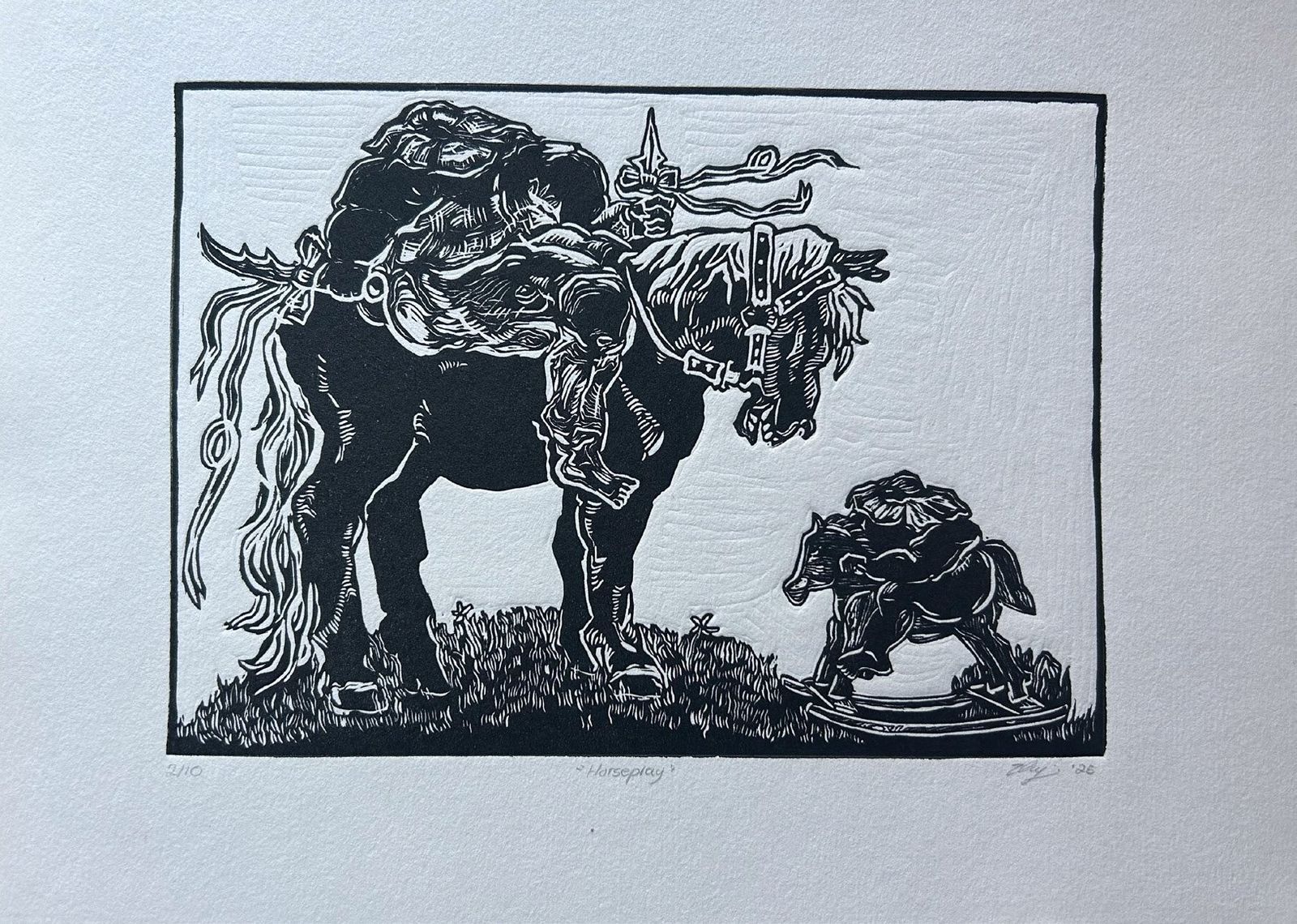
Horseplay
Zita Christine Oranje
Price on request
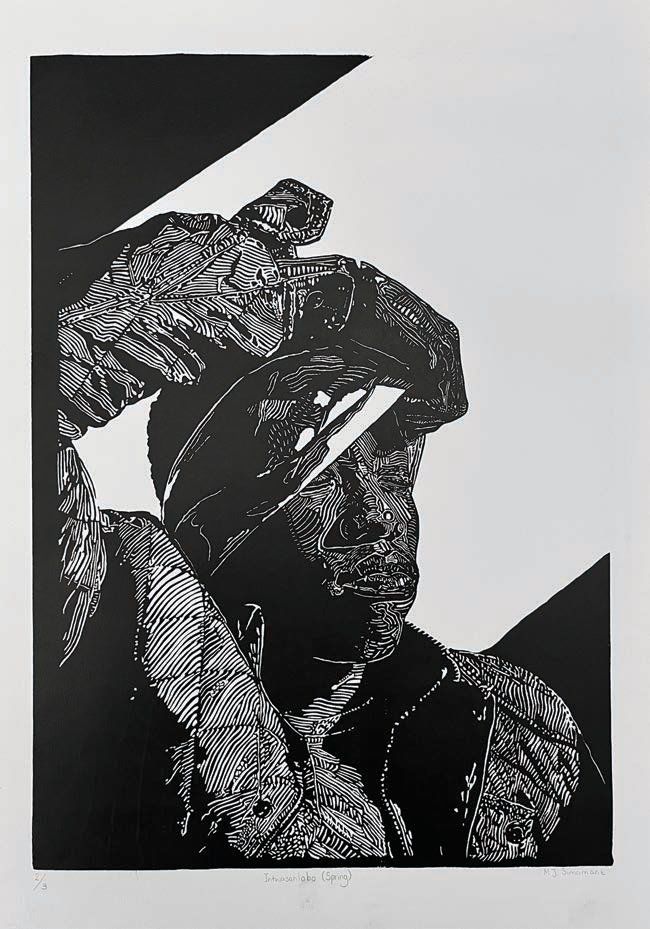
Intwasahlobo (Spring)
Mpendulo Simamane
Not currently for sale
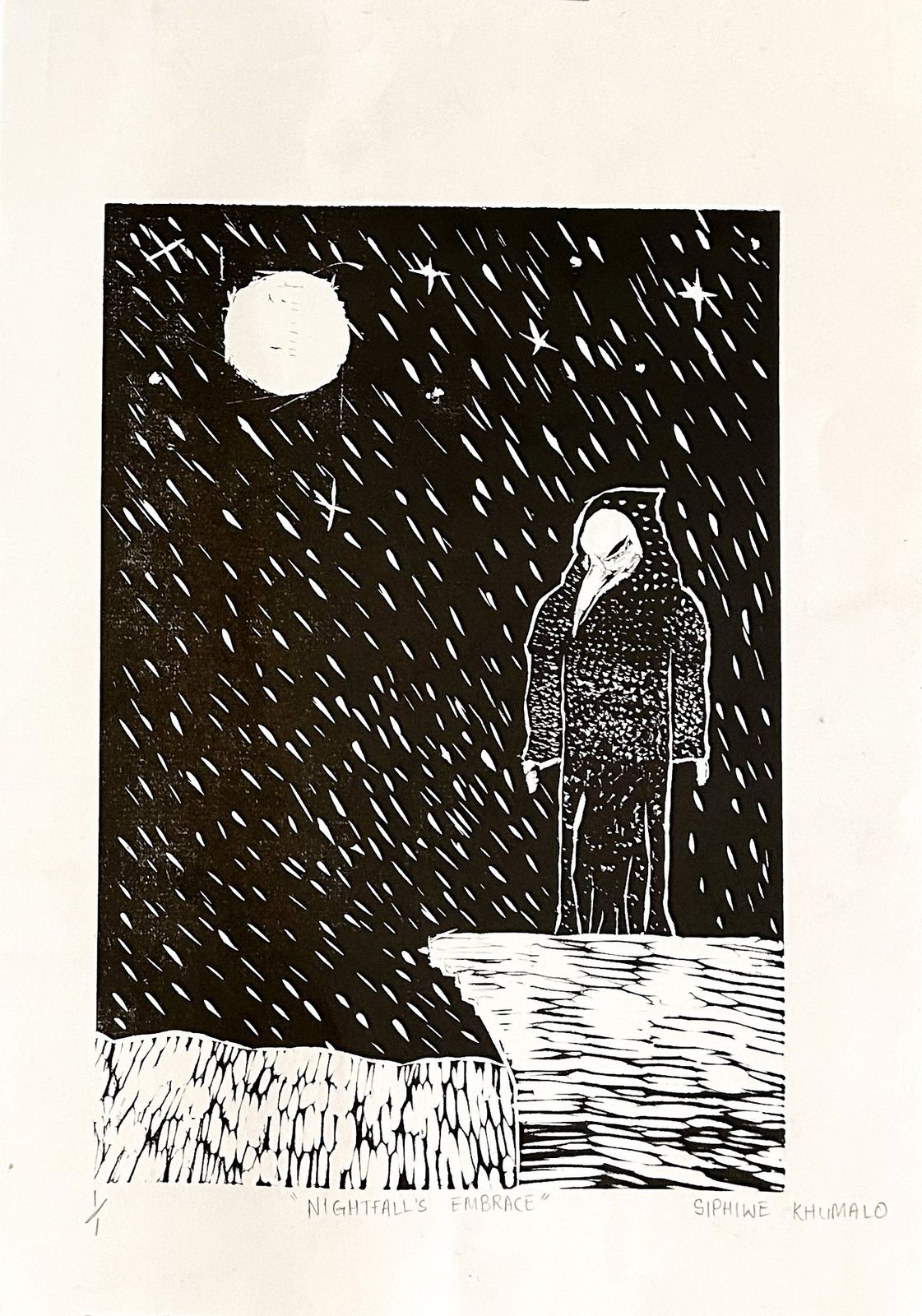
Nightfall's Embrace
Siphiwe Khumalo
Price on request
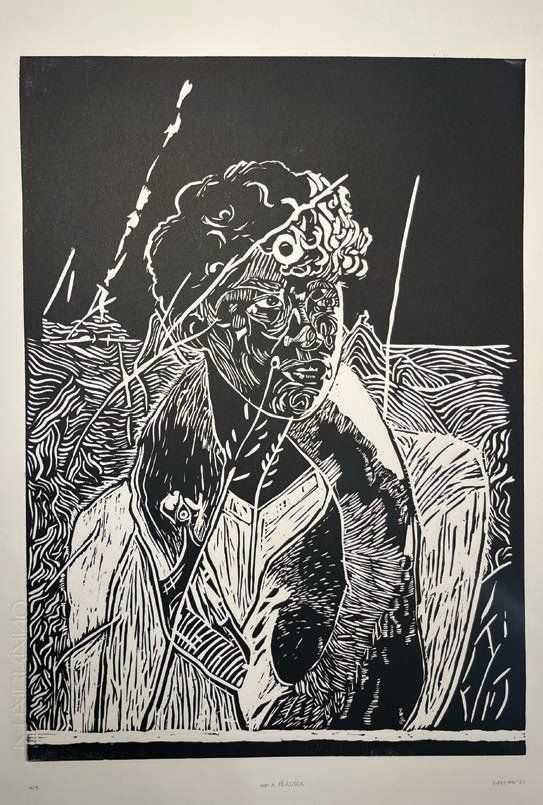
Not a Peacock
Clint Fortunato Felton
R450
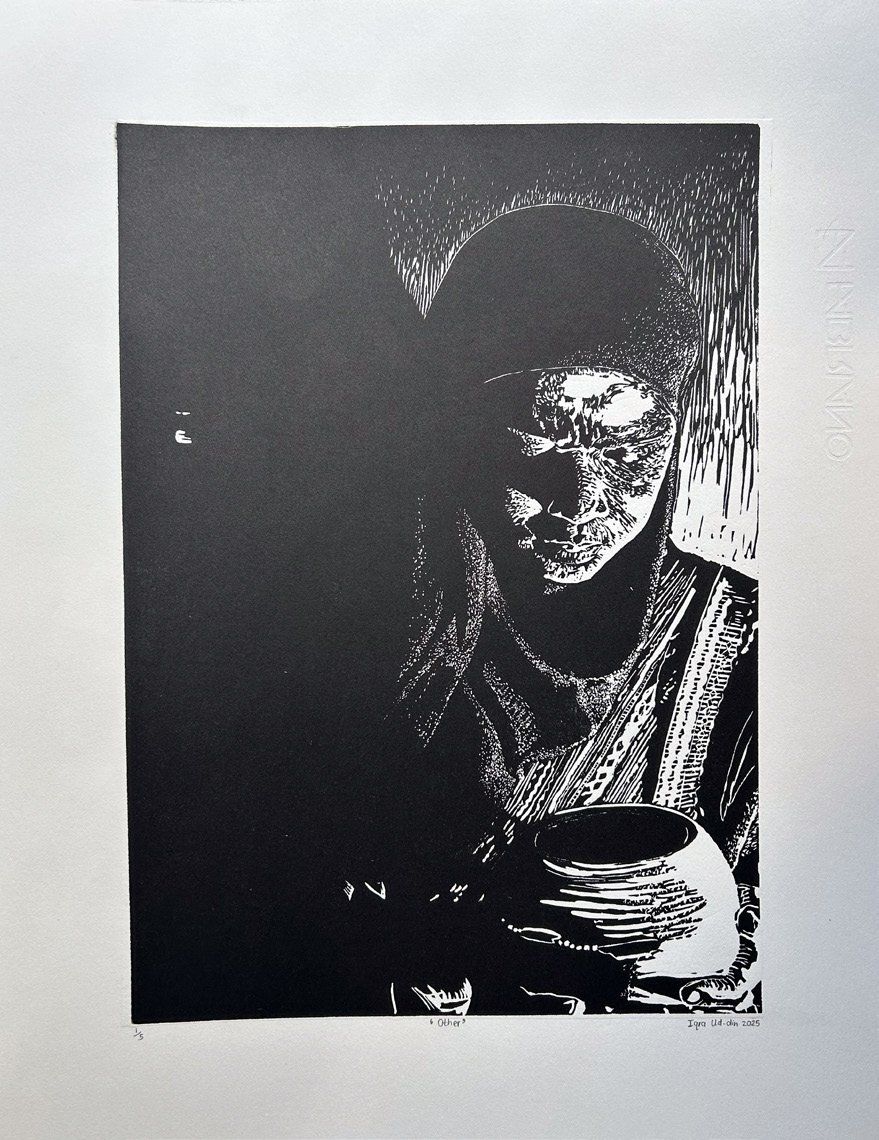
Other
Iqra Ud-din
R1,000
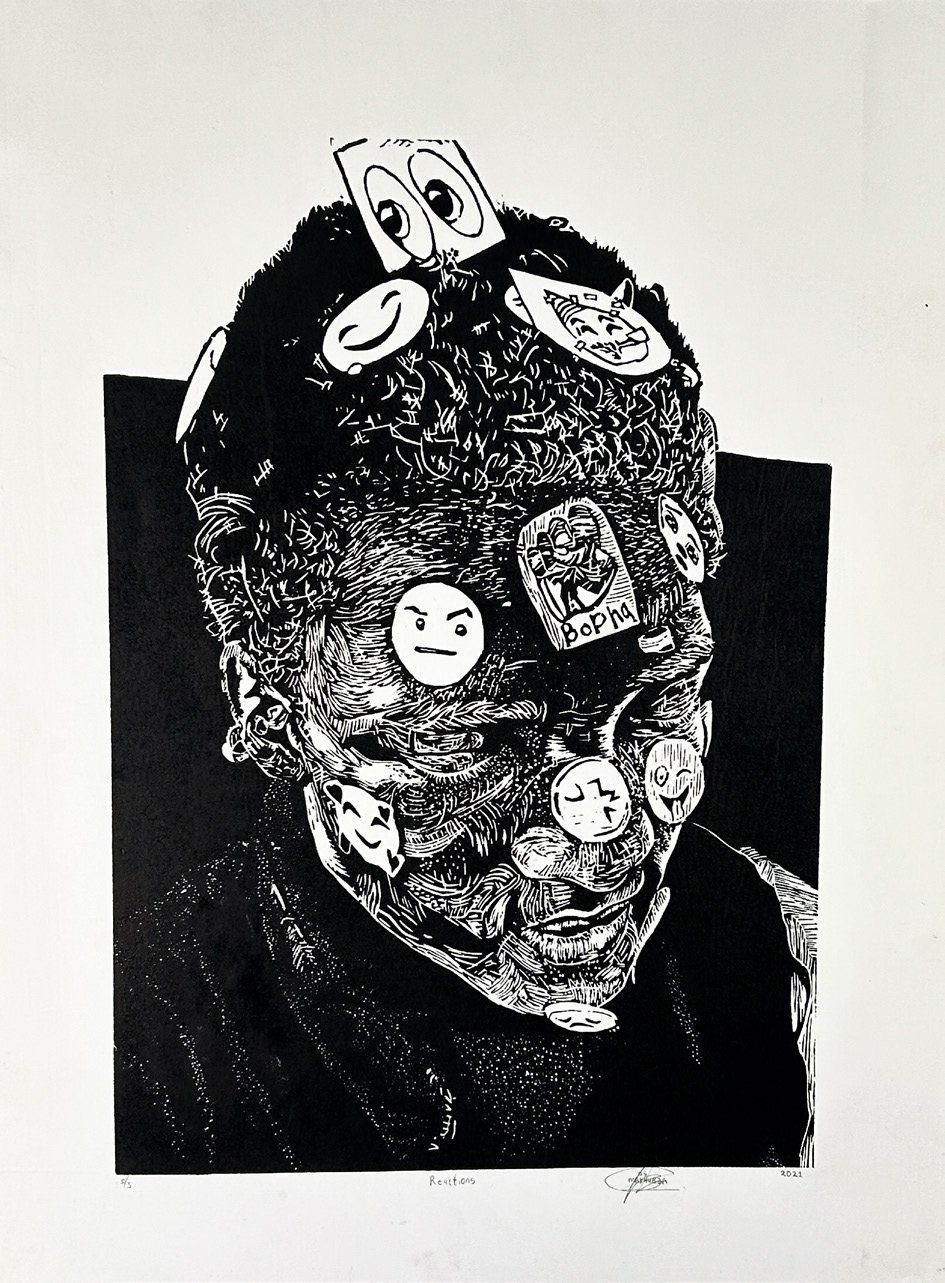
Reactions
Sithandile Mthembu
R1,850
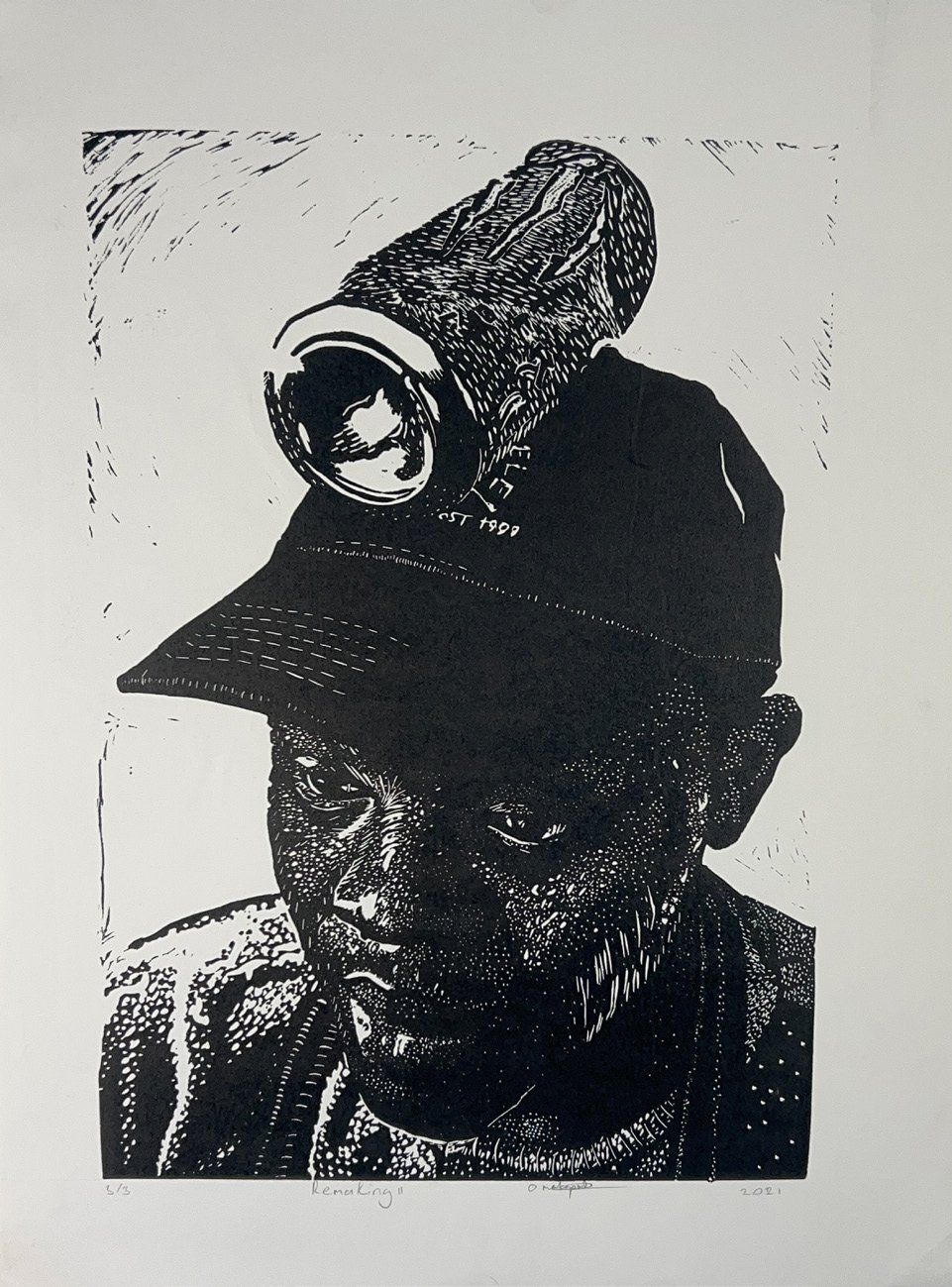
Remaking II
Ovayo Makapela
R1,880
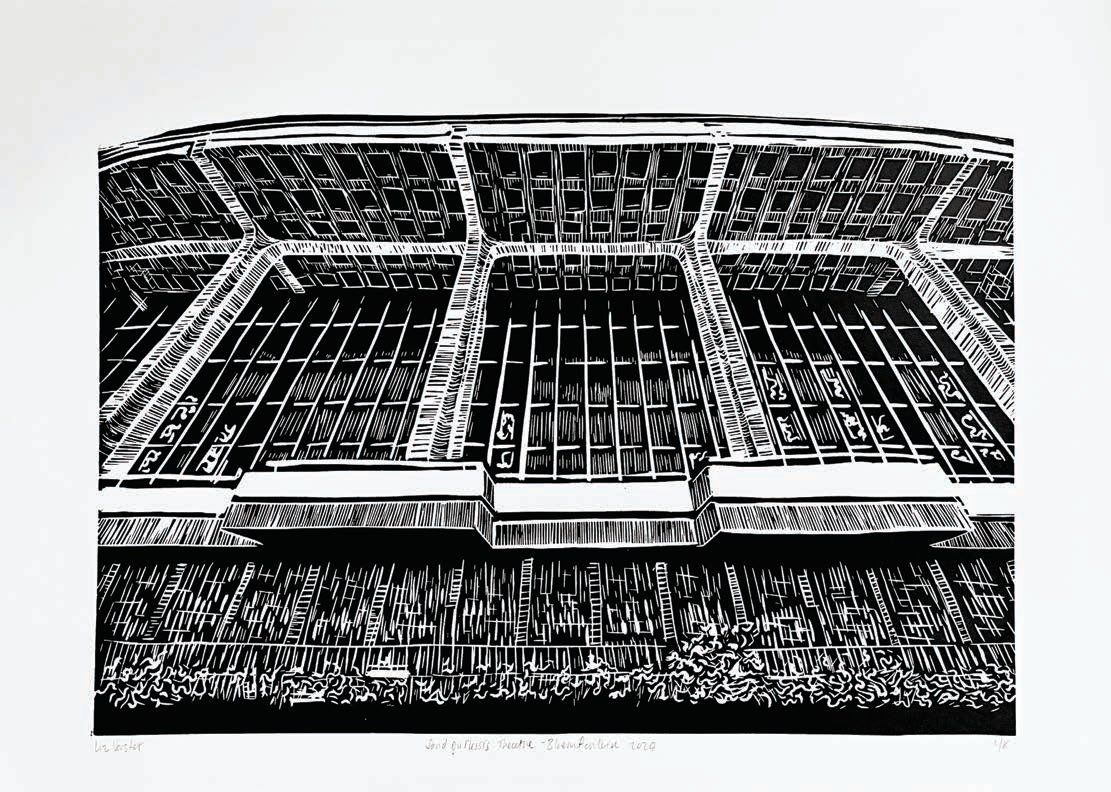
Sand Du Plessis
Liz Vorster
R700
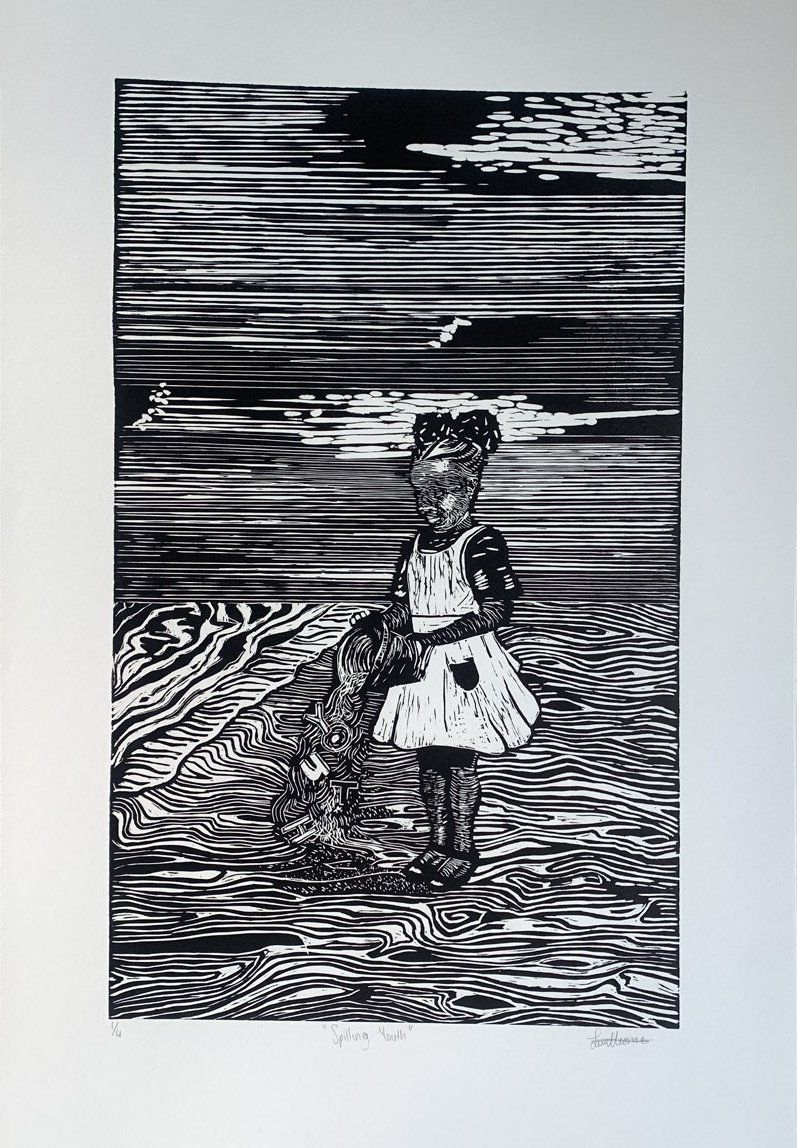
Spilling Youth
Tshiamo Williams
Price on request
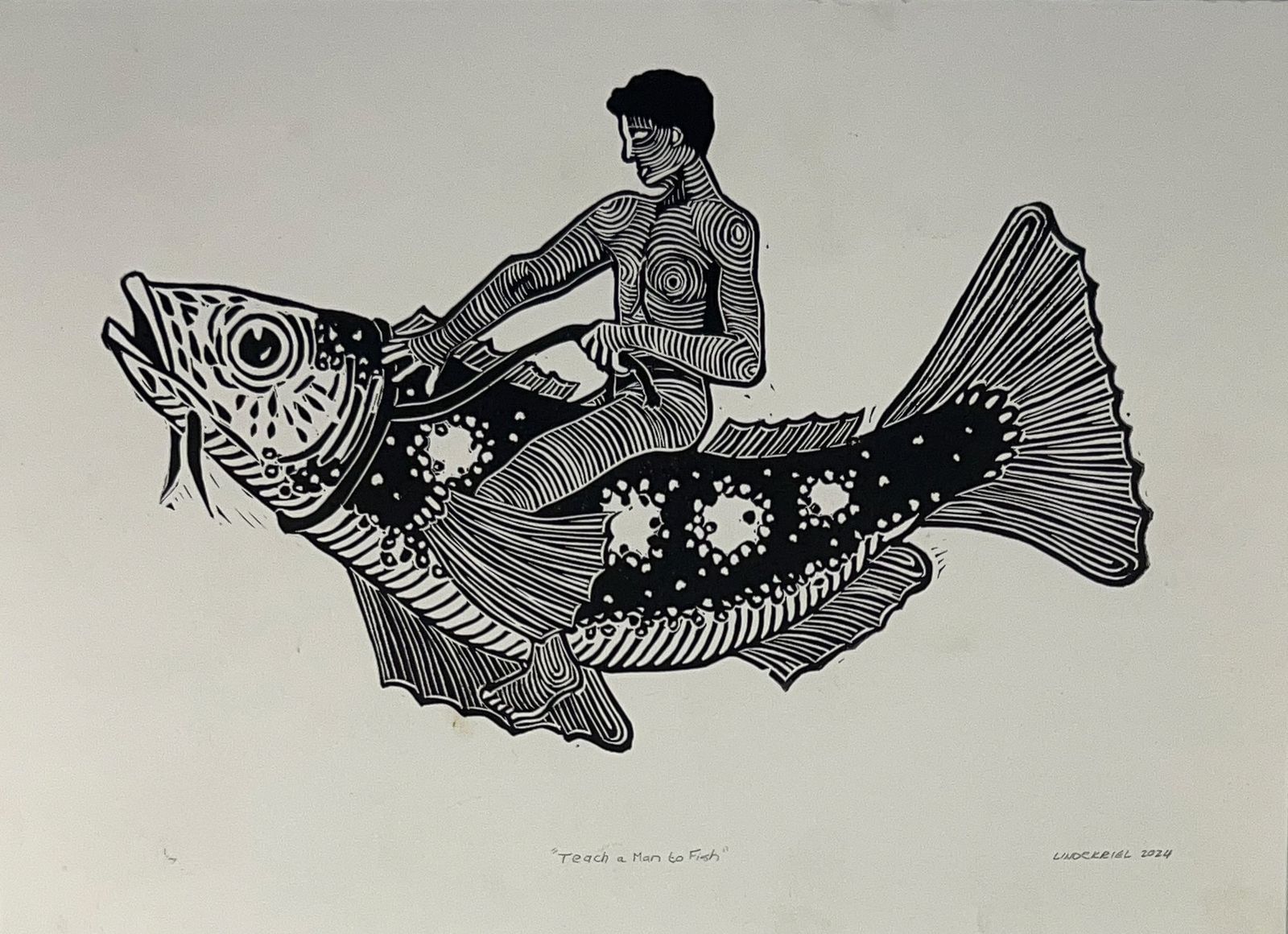
Teach a Man to Fish
Linde Kriel
R1,500
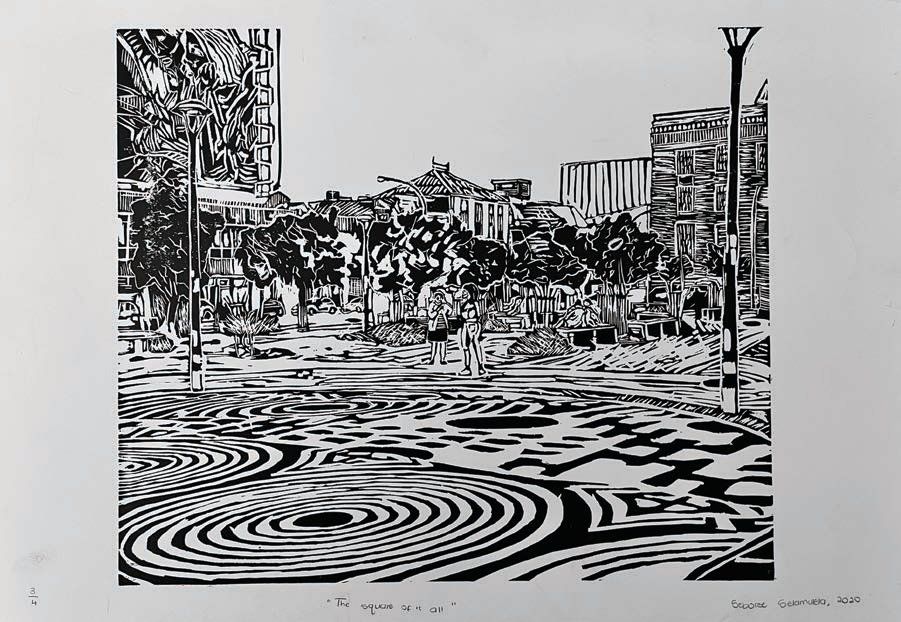
The square of it all
Sebotse Selamulela
R400
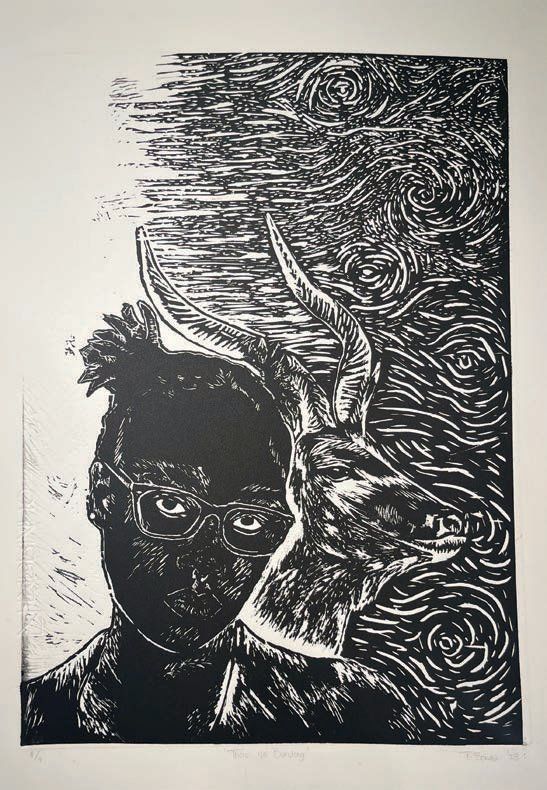
Tholo Ya Barolong
Tinyiko Girly Sekobi
R600
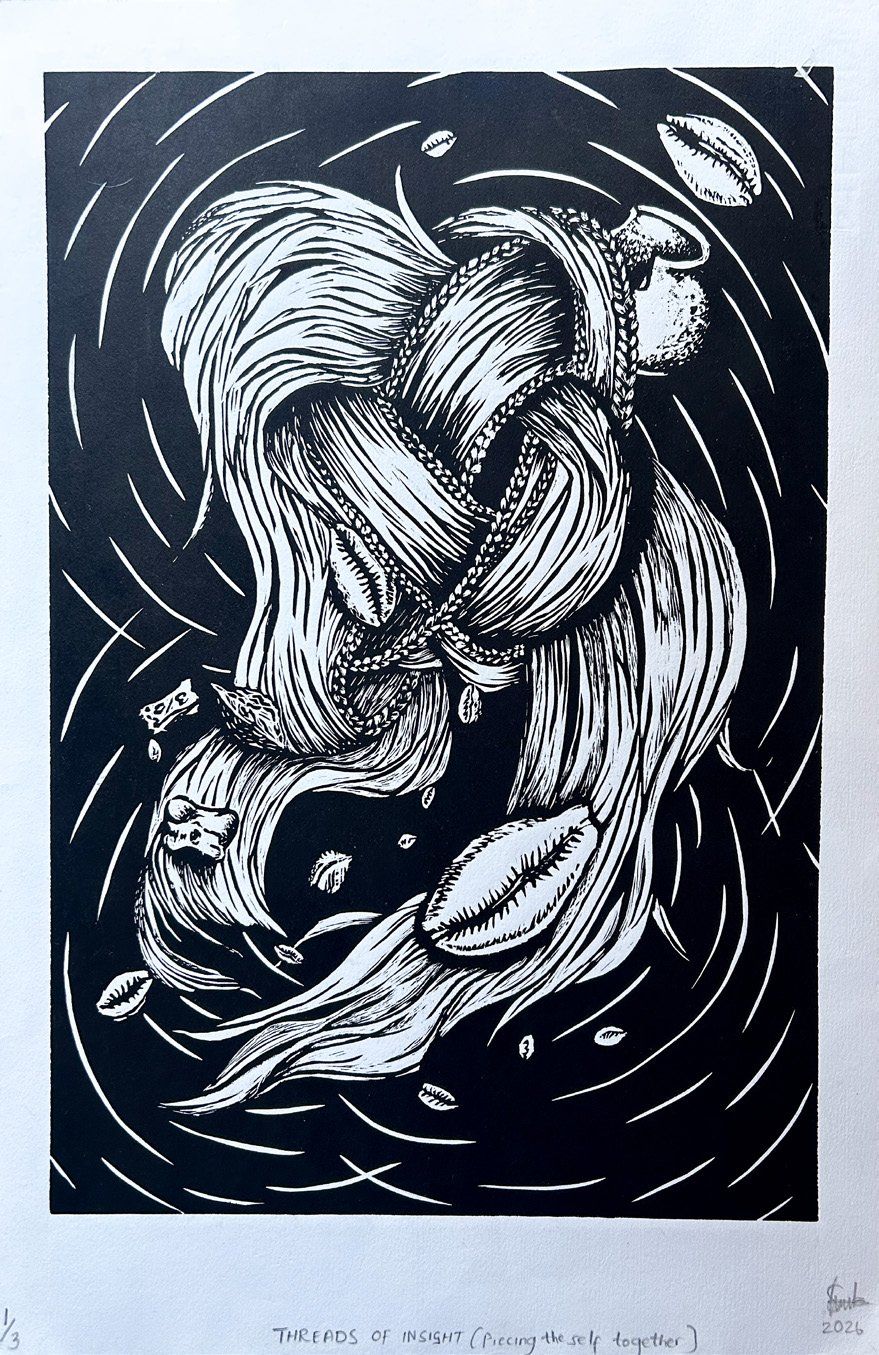
Threads of Insight
Michelle Neo Sennelo
R1,200
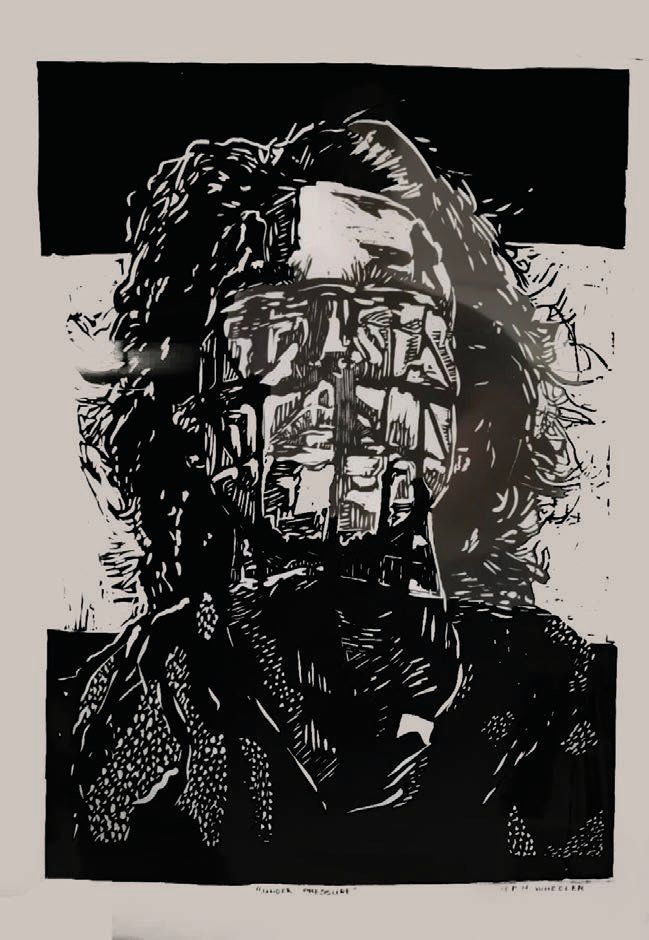
Underpressure
Mark Phillip Wheeler
Not currently for sale
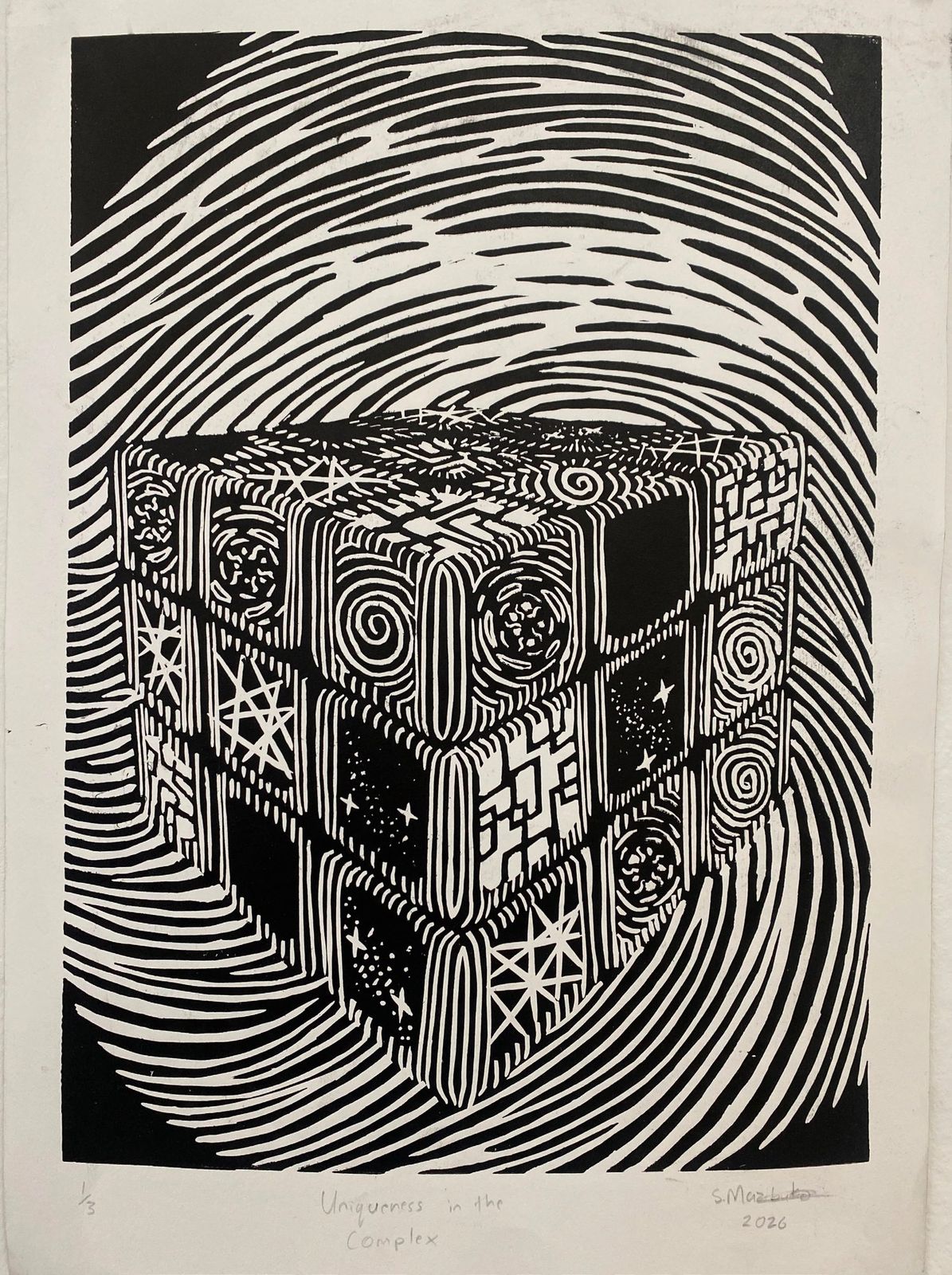
Uniqueness in the Complex
Senzo Jabulai Mazibuko
R1,000
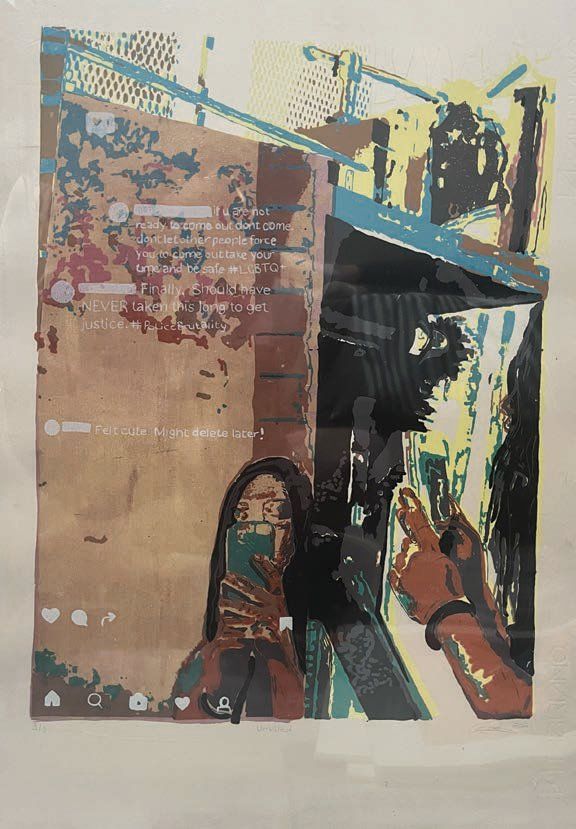
Untitled
Meghan Ann Faber
R400
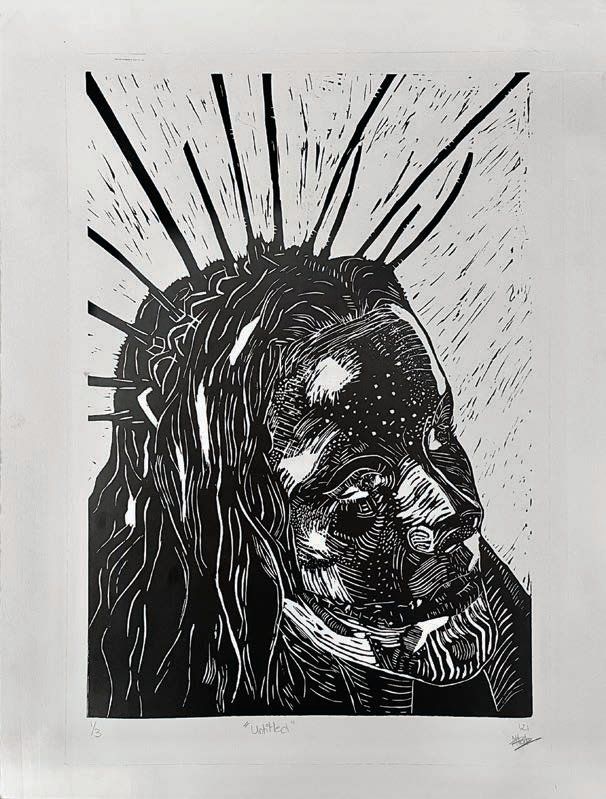
Untitled
Mikayla Swartz
R1,250
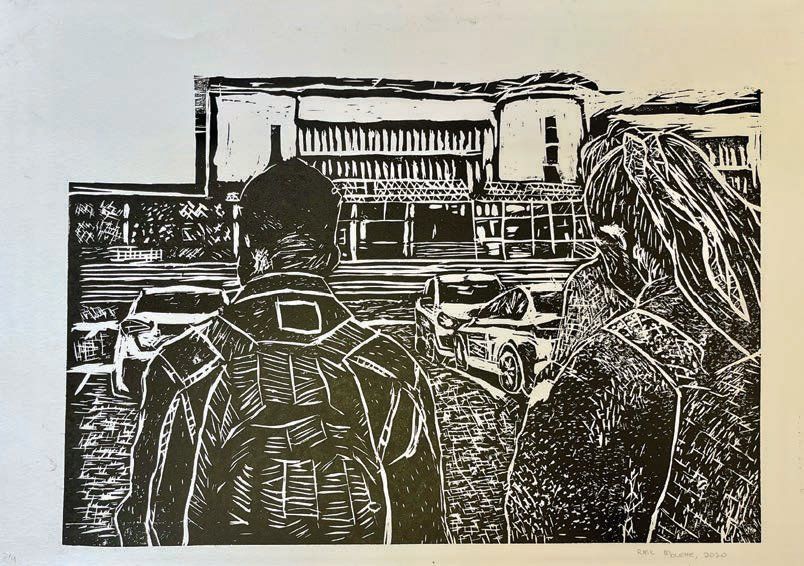
Untitled (linocut)
Kenosi Molehe
R600
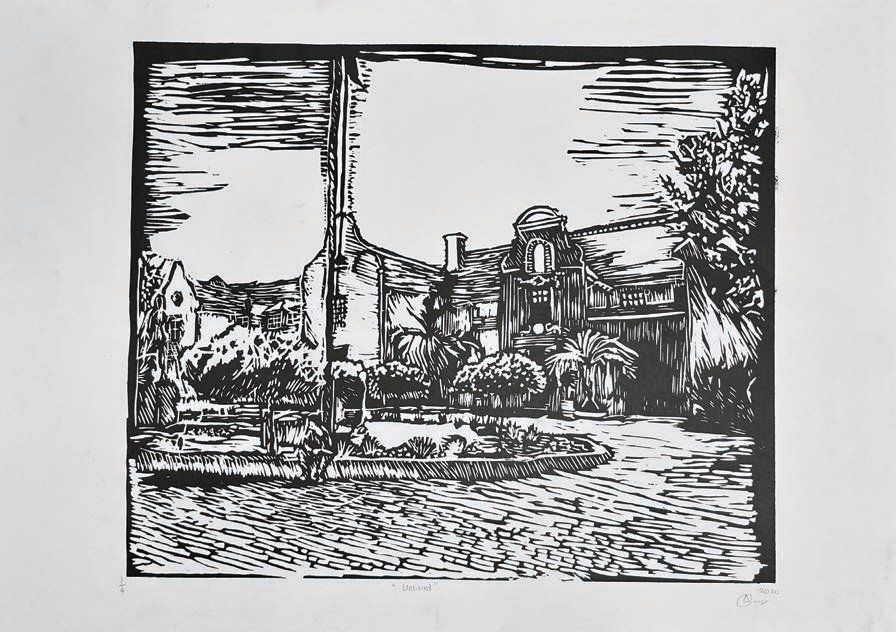
Untitled (linocut)
Alex Mahlangu
R850
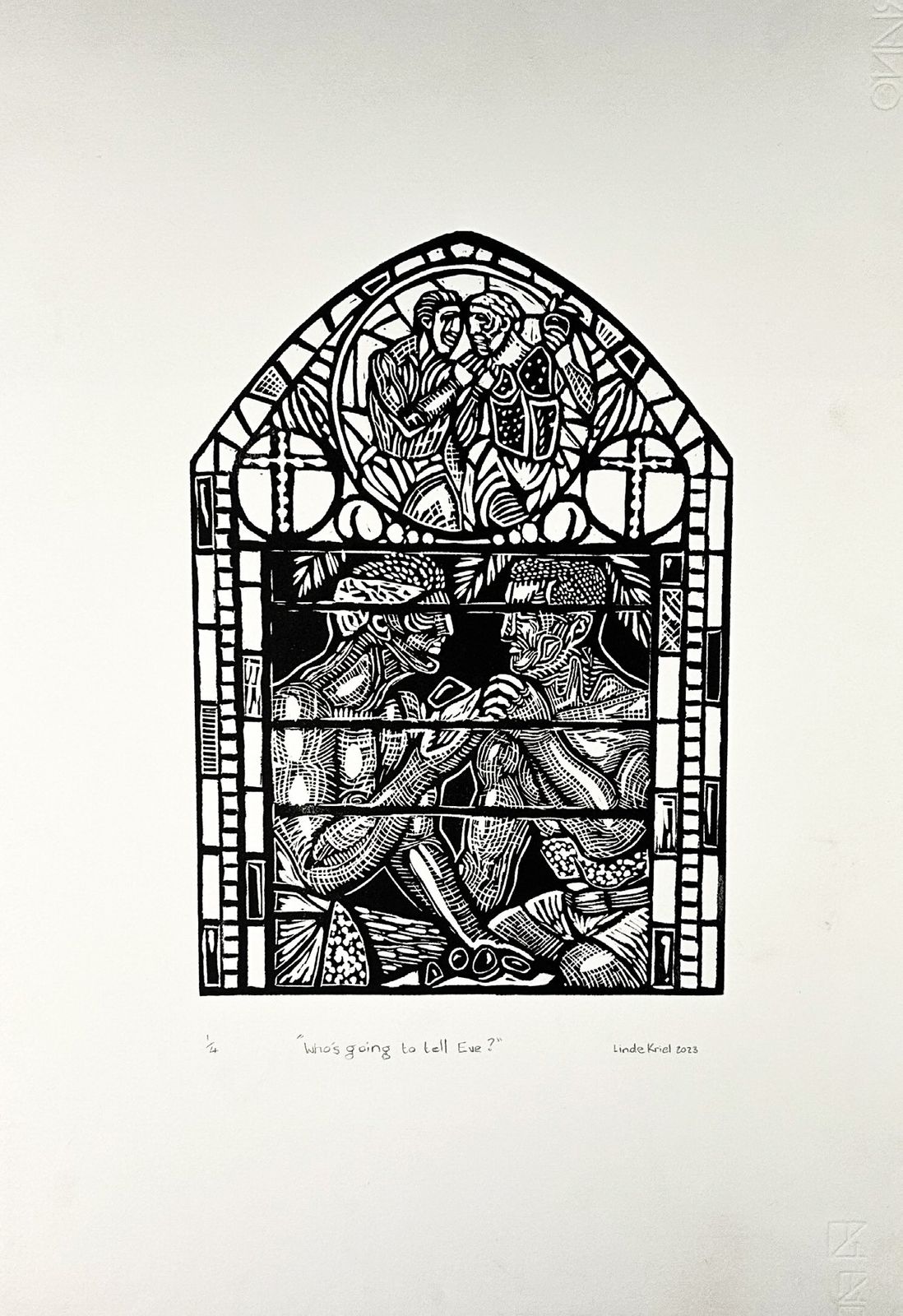
Who's going to tell Eve?
Linde Kriel
R2,500