INTAGLIO
THE MEDIUM & ITS HISTORY
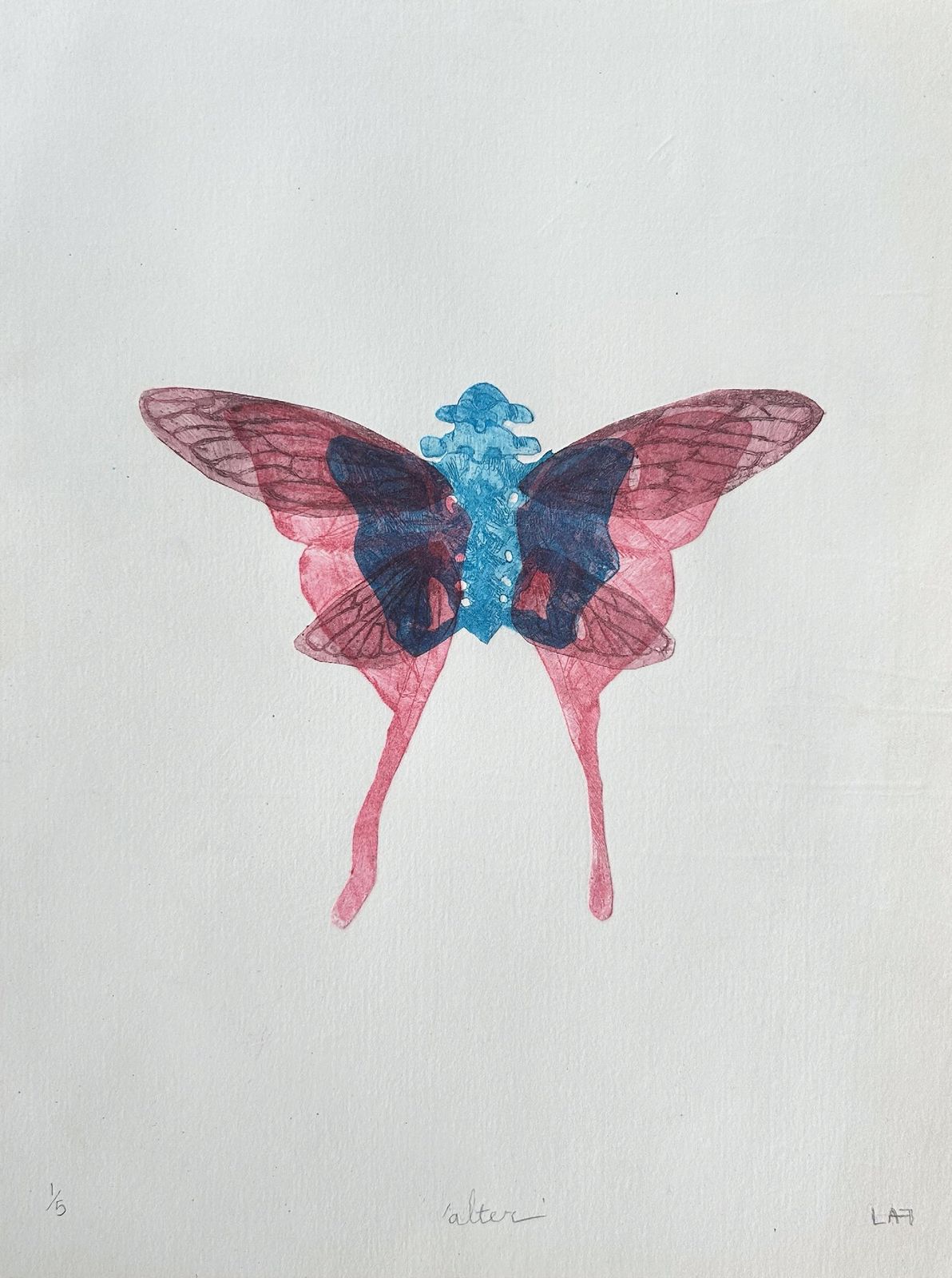
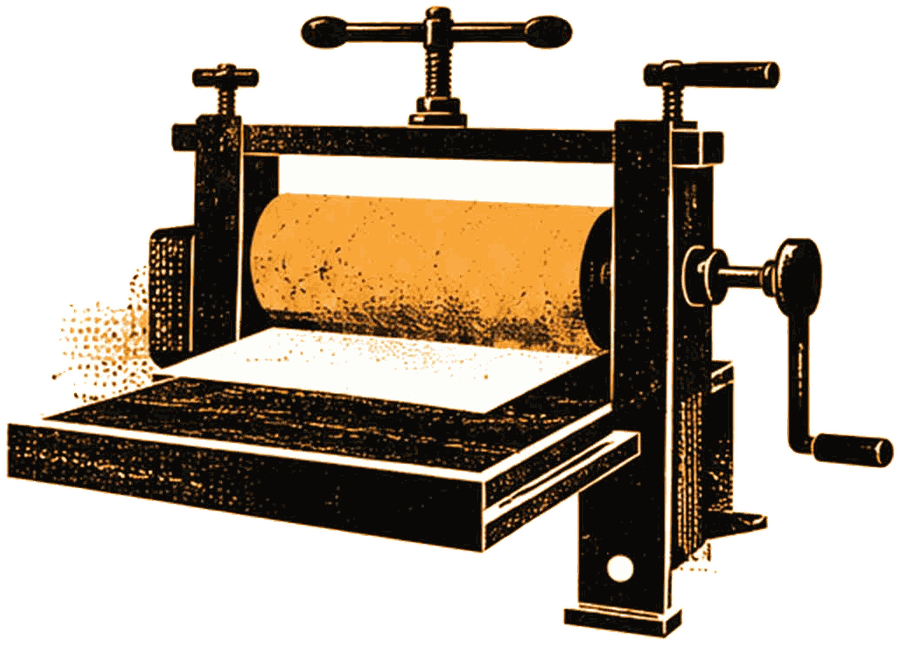
Intaglio is not a single technique but a family of printmaking processes united by a common principle: the image is incised or etched below the surface of the plate, and ink is held in those recessed lines and areas rather than on the raised surface. The word comes from the Italian intagliare, meaning to carve or engrave. The intaglio family includes copper etching, drypoint, aquatint, mezzotint, engraving, and their many combinations and variations. What all intaglio prints share is a distinctive quality of depth as the ink sits in the paper rather than on it, pressed in by the tremendous pressure of the printing press, creating an embossed quality that can sometimes be felt as well as seen. Intaglio printing has been practised in Europe since the 15th century and remains one of the most technically demanding and materially rich areas of printmaking. Works in this exhibition described as intaglio prints draw on this broad tradition, using plates of copper, aluminium, or Perspex and combining multiple intaglio techniques within a single work. The category acknowledges the hybrid nature of contemporary printmaking, in which artists frequently move across technique boundaries within a single image.
HOW IT IS MADE
- Incise or etch an image below the plate surface.
- Work ink into the recesses.
- Wipe excess ink from the surface.
- Print onto dampened paper under pressure.
AS A COLLECTOR
Look for recessed-line detail, tonal depth and a plate impression where present.