ALUMINIUM ETCHING
THE MEDIUM & ITS HISTORY
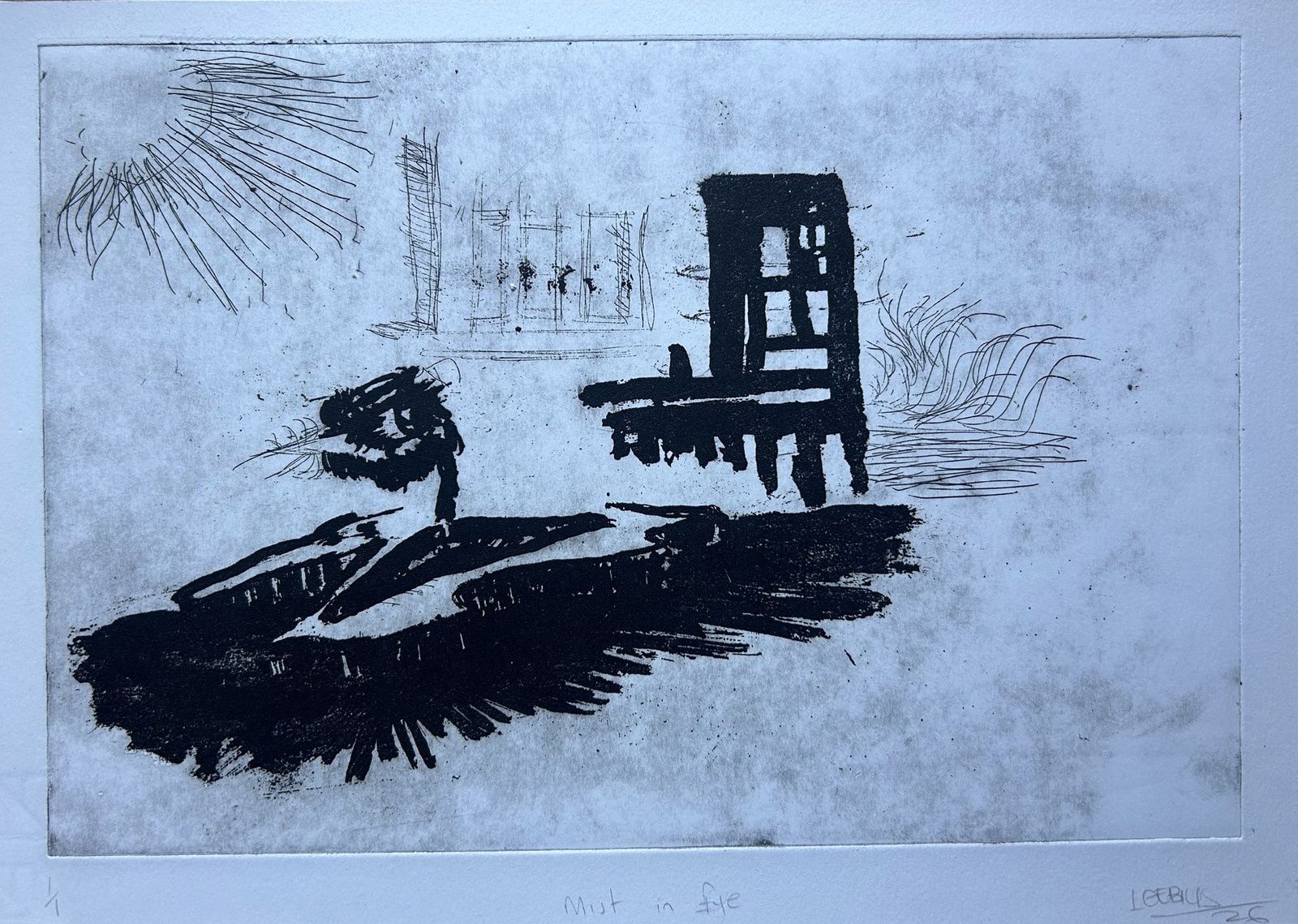
Aluminium etching follows the same essential process as copper etching but replaces the expensive and heavy copper plate with aluminium. This substitution, which became widespread in art education during the 20th century, made intaglio printmaking significantly more accessible to students and to artists working without institutional resources. Aluminium responds differently to acid than copper does, producing softer lines and a somewhat different tonal range, and it is more susceptible to corrosion. It is also lighter and easier to handle, and considerably cheaper. For many students, aluminium etching is the first point of entry into the intaglio tradition and a way of learning the fundamental chemistry and physicality of acid etching before moving to more expensive materials.
HOW IT IS MADE
- Prepare an aluminium plate and resistant ground.
- Draw through the ground.
- Etch exposed areas using a suitable process.
- Remove the ground, ink and wipe the plate.
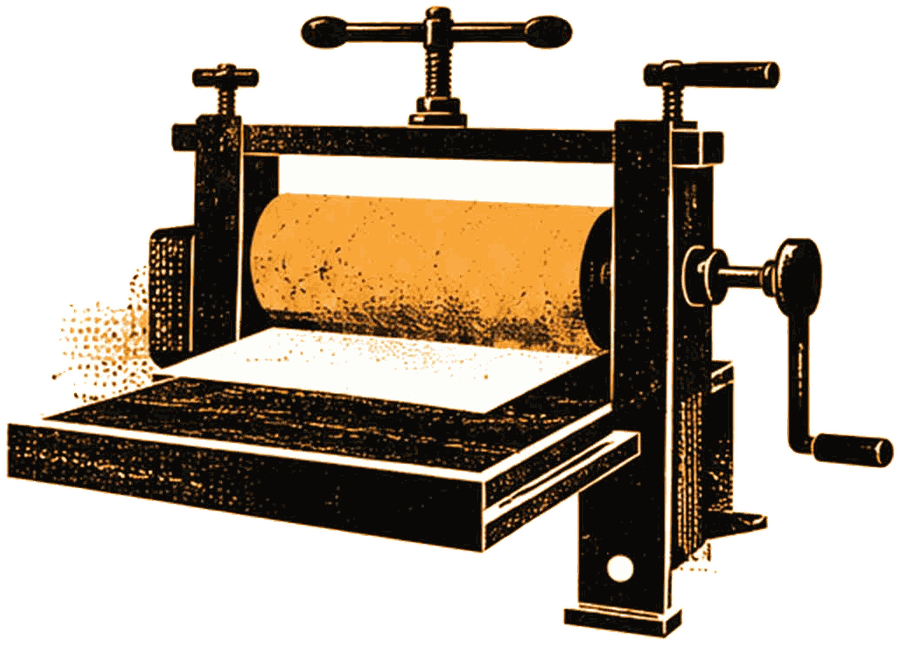
- Print under pressure onto dampened paper.
AS A COLLECTOR
Look for the softer lines and tonal character of the aluminium plate.