MEZZOTINT

THE MEDIUM & ITS HISTORY
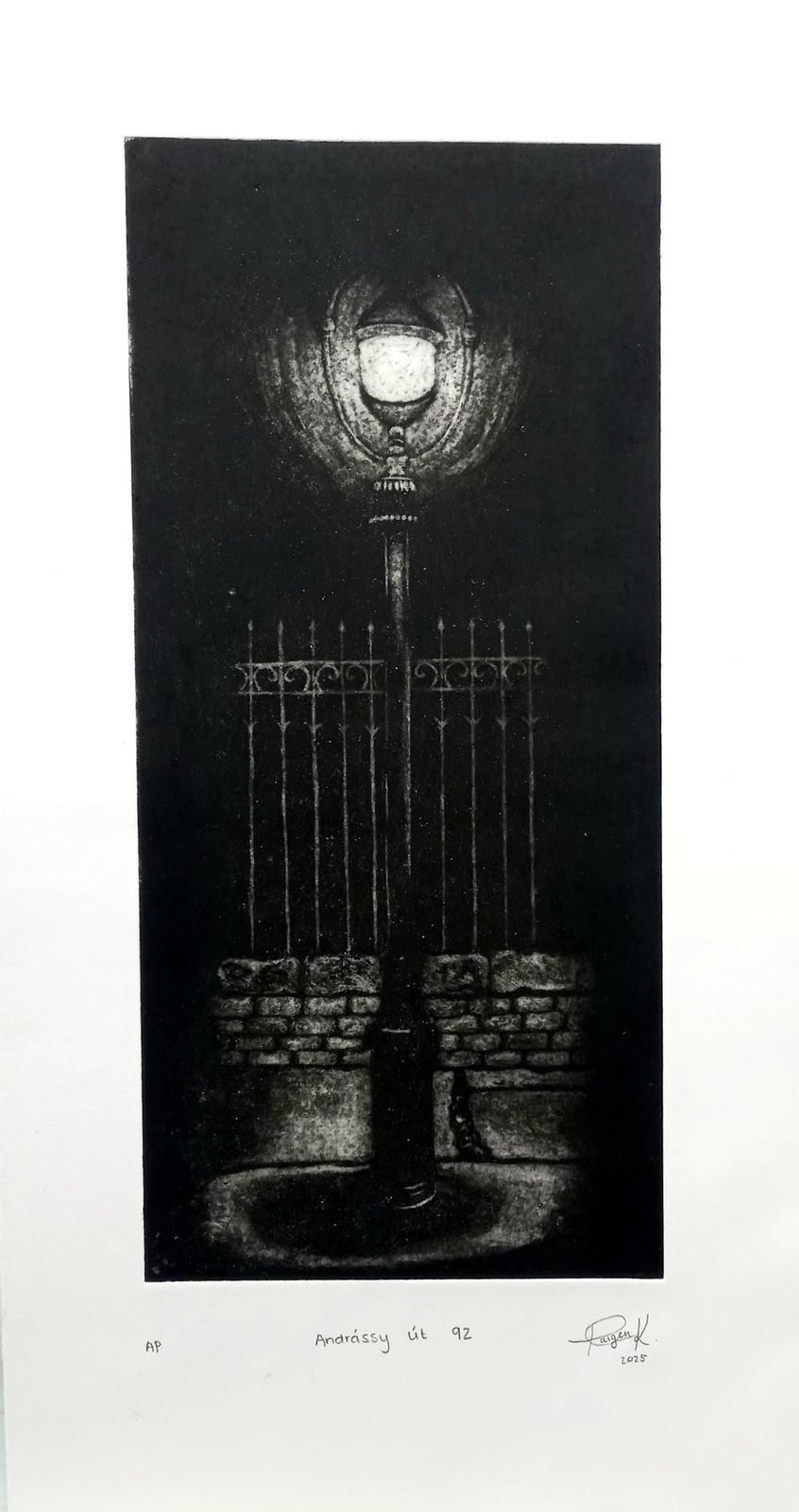
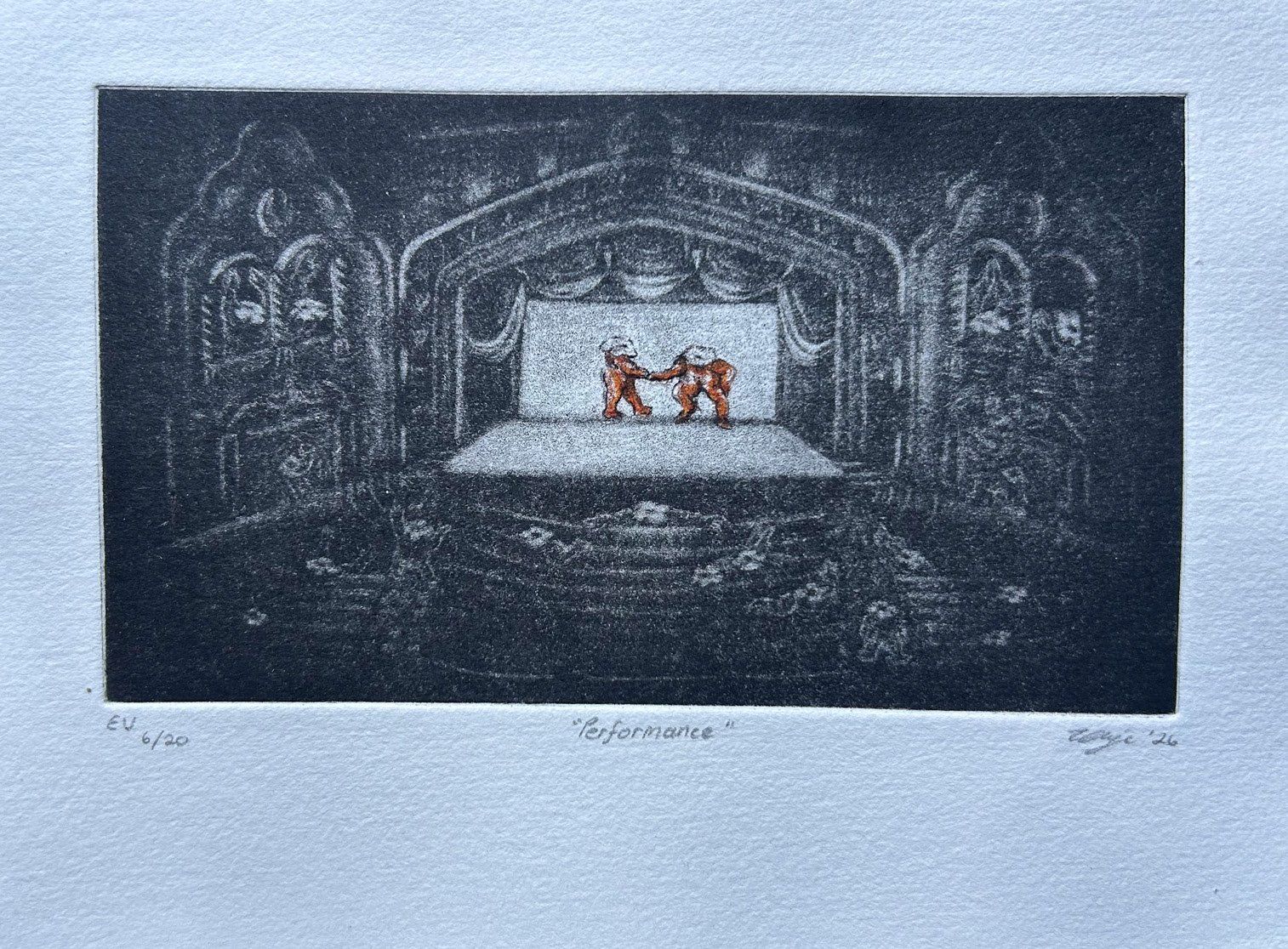
Mezzotint is one of the most technically demanding and visually distinctive of all printmaking techniques, and one of the few that begins with darkness rather than light. Developed in the 17th century by the German-born artist Ludwig von Siegen and subsequently refined in England, where it became known as la manière anglaise and mezzotint was used for two centuries primarily as a means of reproducing oil paintings, because it was uniquely capable of capturing the rich tonal gradations of paint. The process begins with a rocker which is a curved, toothed tool which is worked systematically across the entire surface of a metal plate until every part of it is roughened into a burr that would, if inked, print as a dense, velvety black. The artist then works backwards from this darkness, using a burnisher to smooth areas of the plate back towards the polished surface, which holds less ink and therefore prints lighter. The image emerges gradually out of black and highlights are not drawn but revealed. The results are unmistakably a luminous, almost photographic tonal range, with the deepest shadows achieving a black of extraordinary depth. Mezzotint fell out of widespread use with the rise of photographic reproduction in the 19th century, but has been revived by contemporary printmakers who value its unique capacity for tonal richness.
HOW IT IS MADE
- Roughen the plate evenly with a rocker.
- Scrape and burnish areas that should print lighter.
- Ink the plate and wipe the surface.
- Print under pressure onto damp paper.
AS A COLLECTOR
Look for luminous tonal transitions and deep, velvety shadows.