COPPER ETCHING
THE MEDIUM & ITS HISTORY
Copper etching has its origins in the workshops of European goldsmiths and armourers in the 15th century, who used acid to decorate metal surfaces. Printmakers quickly recognised that the same process could be used to create images for reproduction, and by the 16th century etching had become one of the dominant printmaking techniques of the Western world. Albrecht Dürer, Rembrandt van Rijn, and Francisco Goya all worked extensively in etching, and the medium remains central to fine art printmaking today. To make a copper etching, the artist coats a copper plate with a waxy acid-resistant ground and draws through it with a needle, exposing the metal beneath. The plate is then submerged in acid, which bites into the exposed lines, creating grooves that will hold ink. The ground is removed, ink is worked into the bitten lines and wiped from the surface, and the plate is run through a printing press under pressure, forcing the dampened paper into the grooves to lift the ink. The result is a line of great delicacy and precision which is finer than almost any other printmaking technique with a characteristic quality of depth and texture that cannot be replicated digitally. Copper etching can also be combined with other intaglio techniques such as aquatint, mezzotint, and embossing, allowing for extraordinary tonal and textural range.
HOW IT IS MADE
- Clean the copper plate and apply a resistant ground.
- Draw through the ground to expose the copper.
- Use an appropriate etchant to bite the exposed lines.
- Remove the ground, ink the plate and wipe the surface.
- Print onto damp paper through an etching press.
AS A COLLECTOR
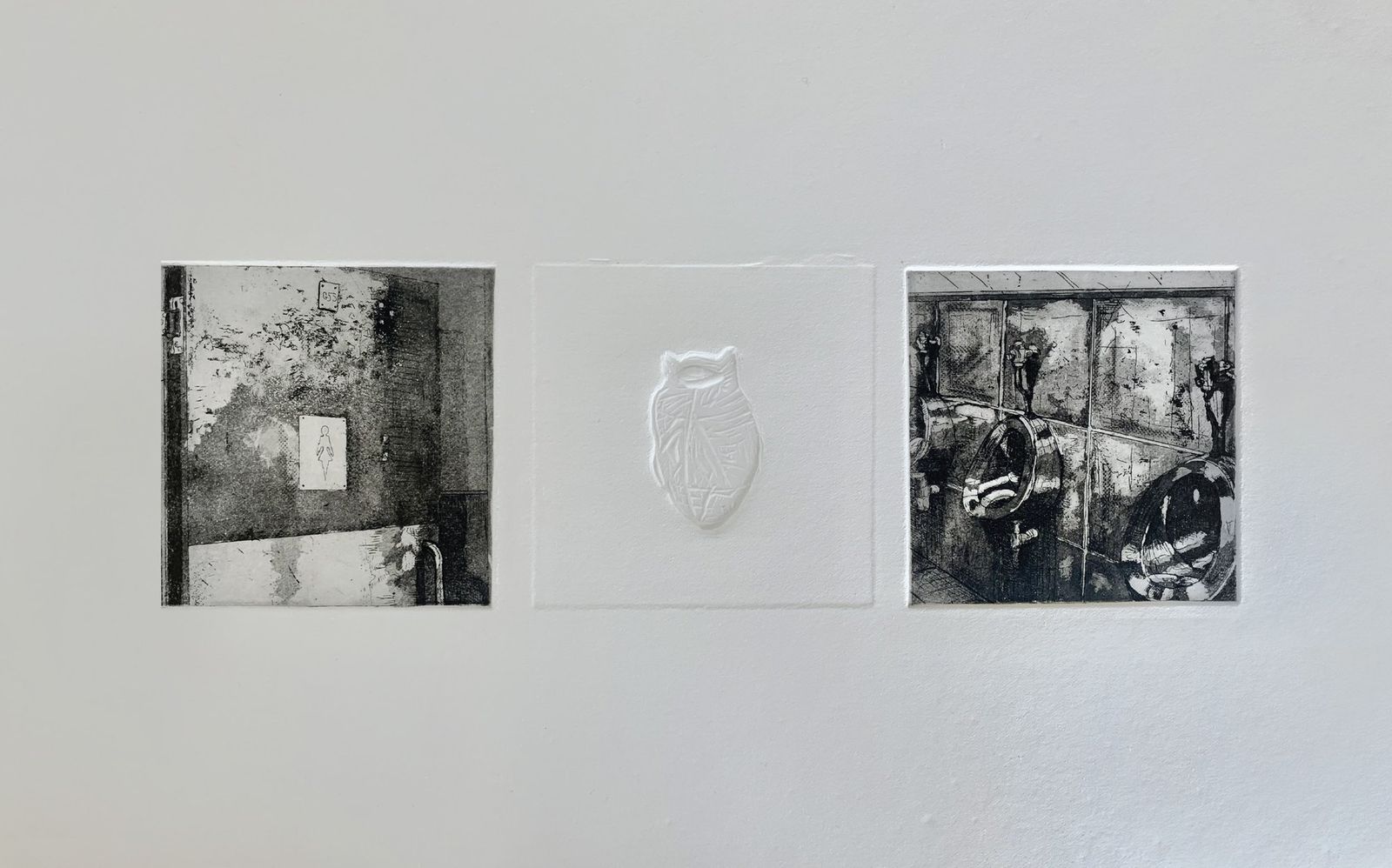
Look for fine bitten lines and the depth of ink pressed into paper.
IN THE COLLECTION
[rest]room
Linde Kriel
R2,300
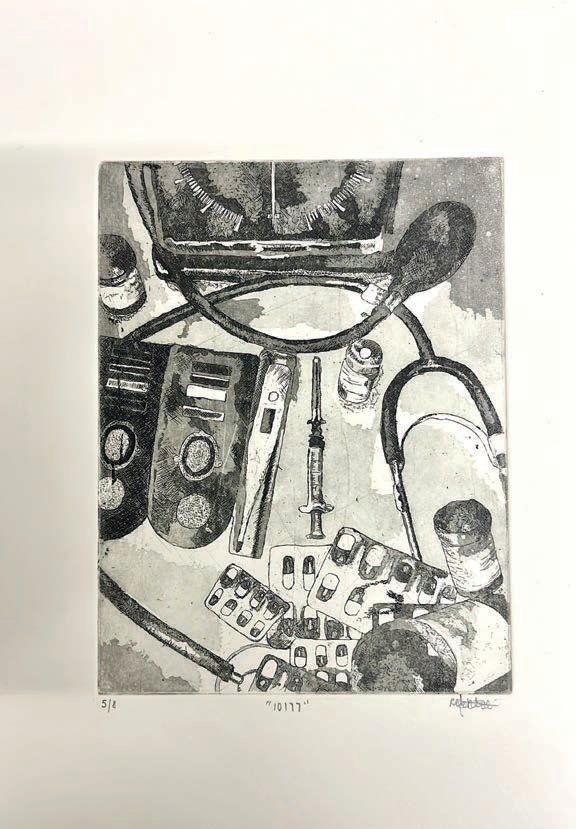
10177
Refentse Mothunyane
R400
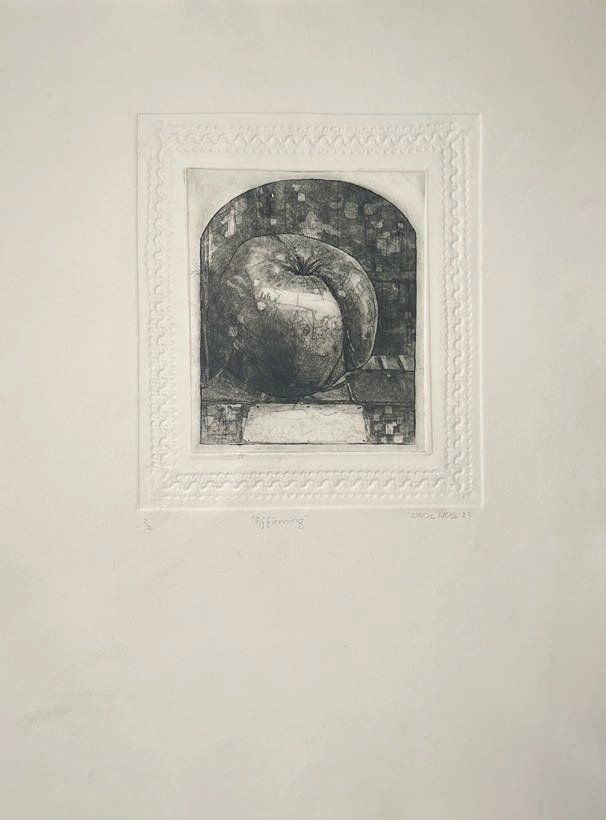
Affirming
Linde Kriel
R500
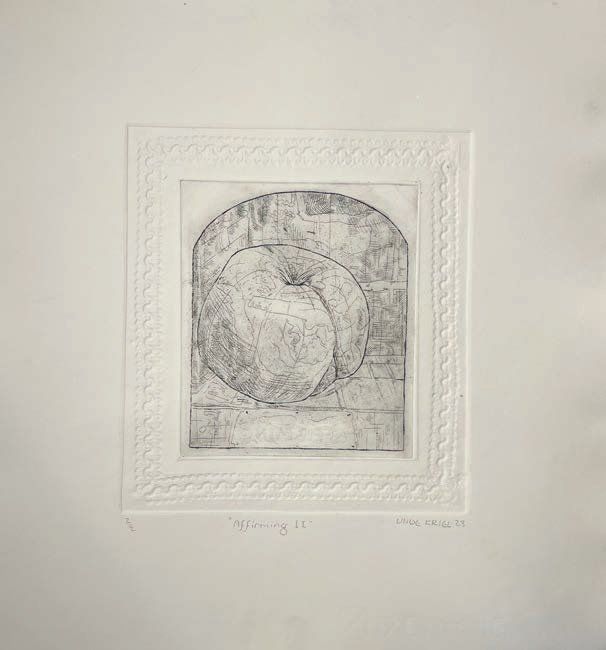
Affirming II
Linde Kriel
R400
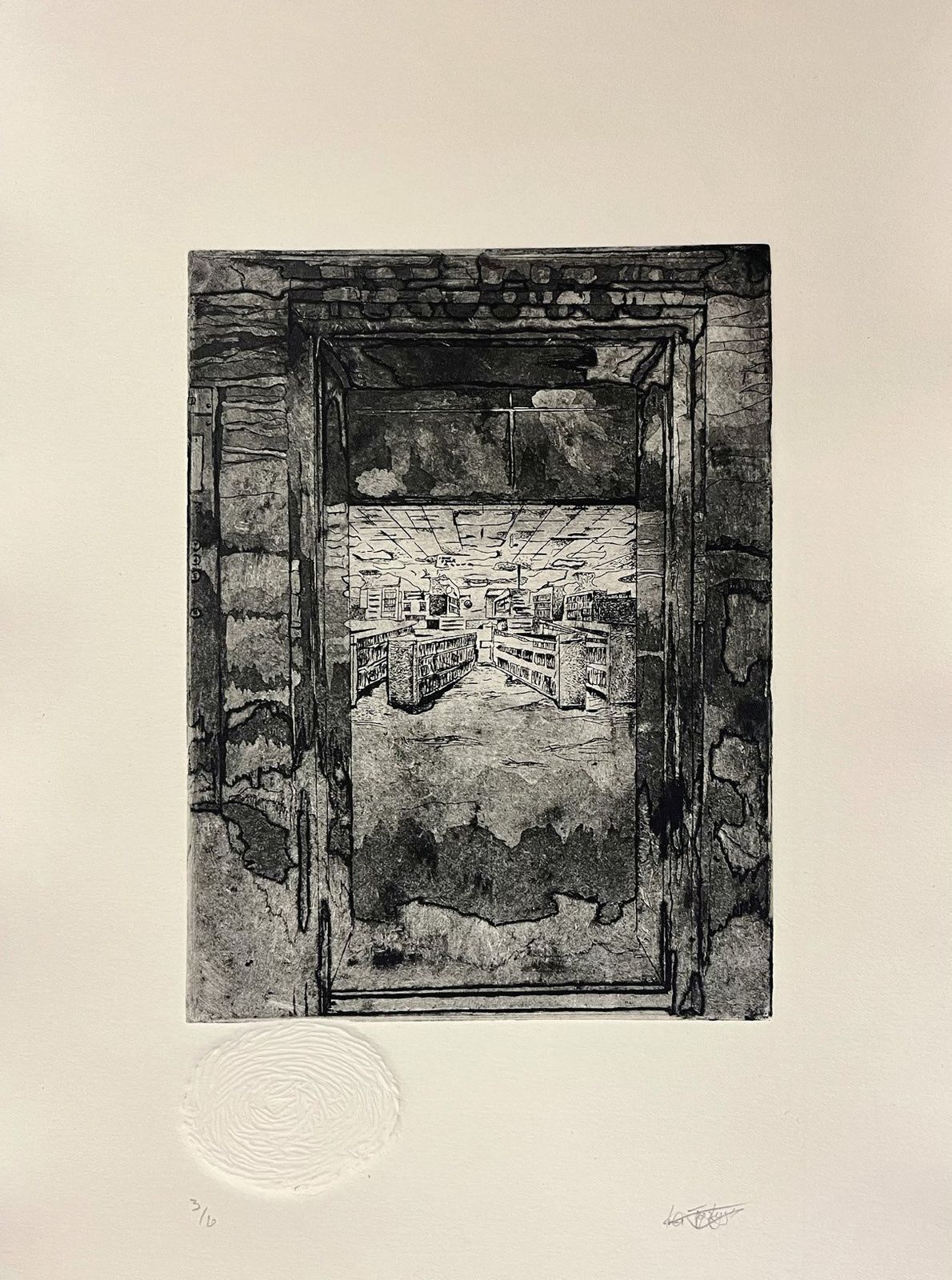

Agoraphobia
Lonwabo Tyutyu
R1,500
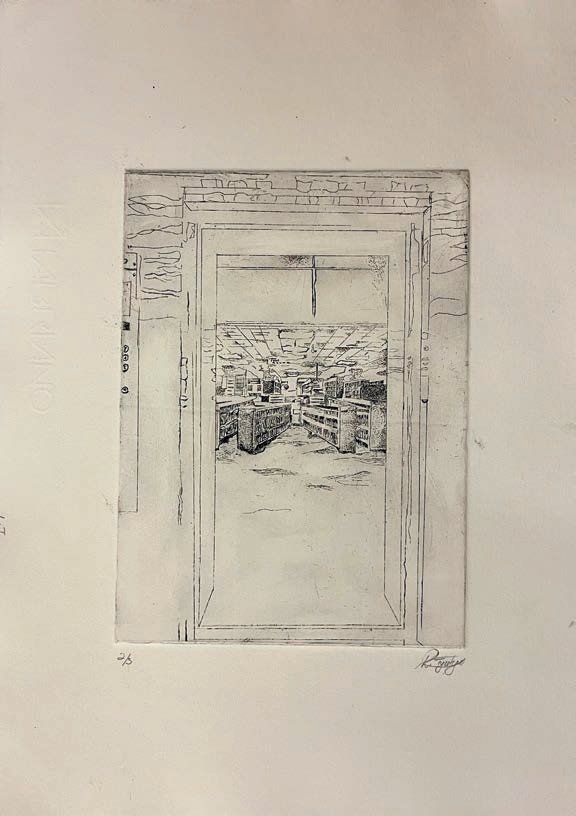
Agoraphobia (copper etch, without embossing)
Lonwabo Tyutyu
R500
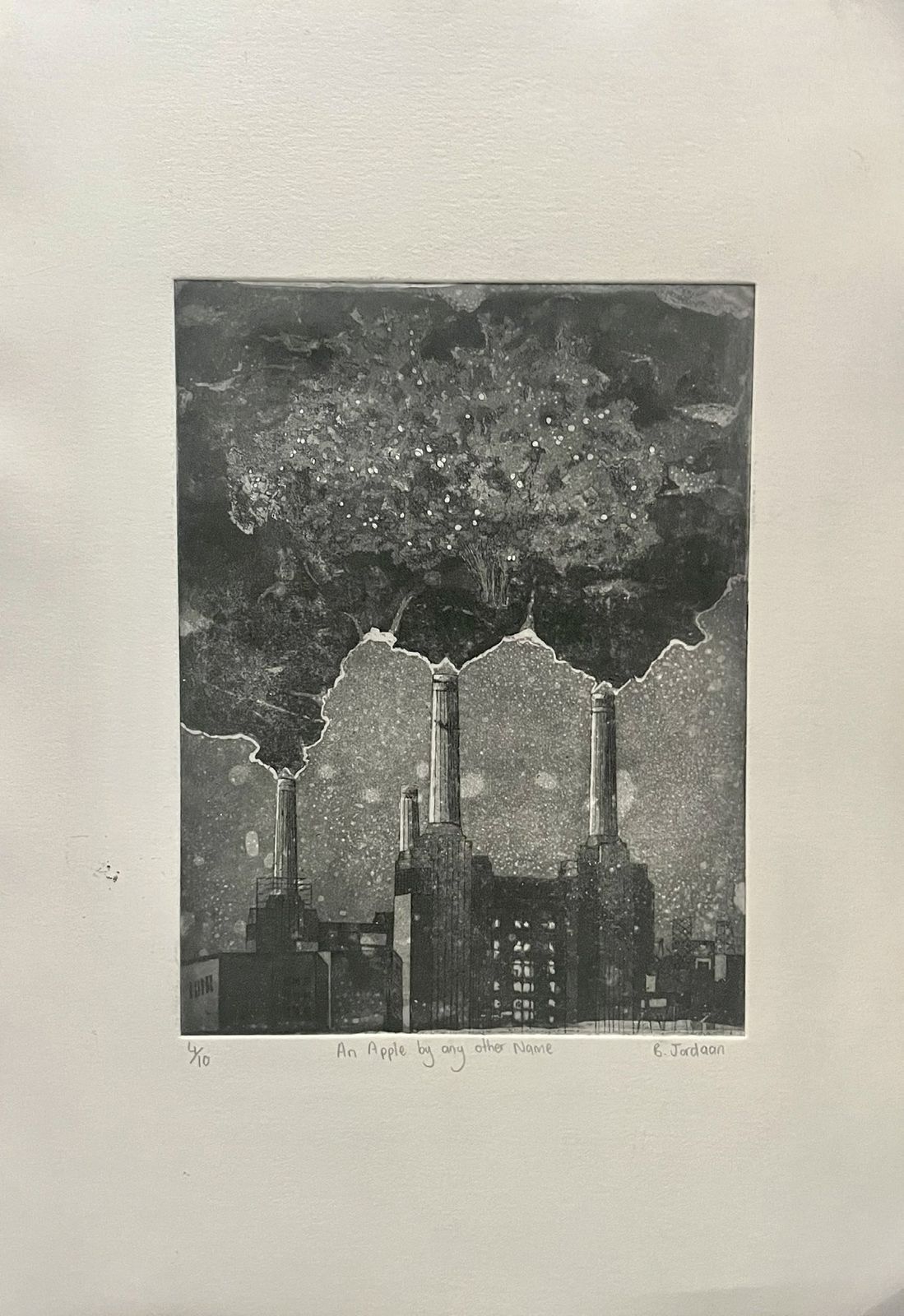
an apple by any other name
Beate Maria Jordaan
R1,800
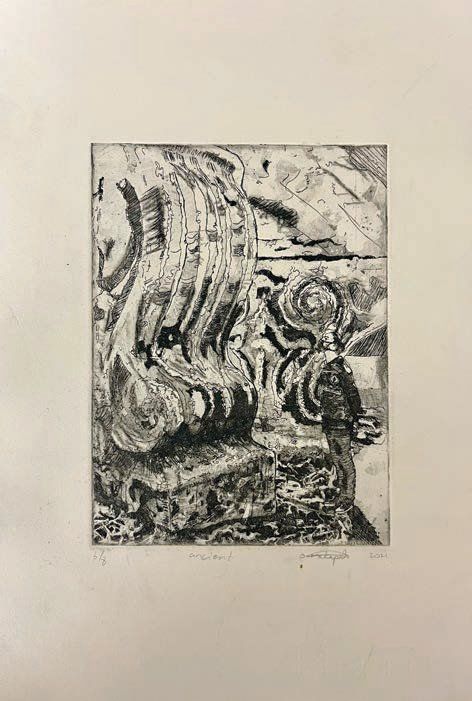
Ancient
Ovayo Makapela
R620
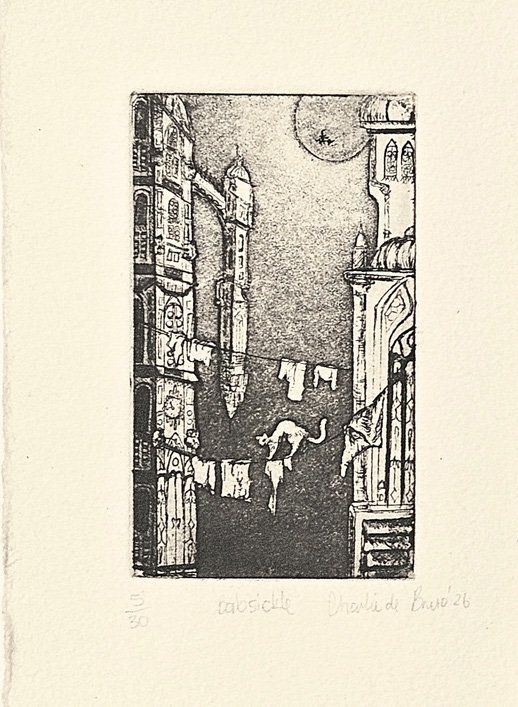
Babsickle
Charlie de Bruto
R480
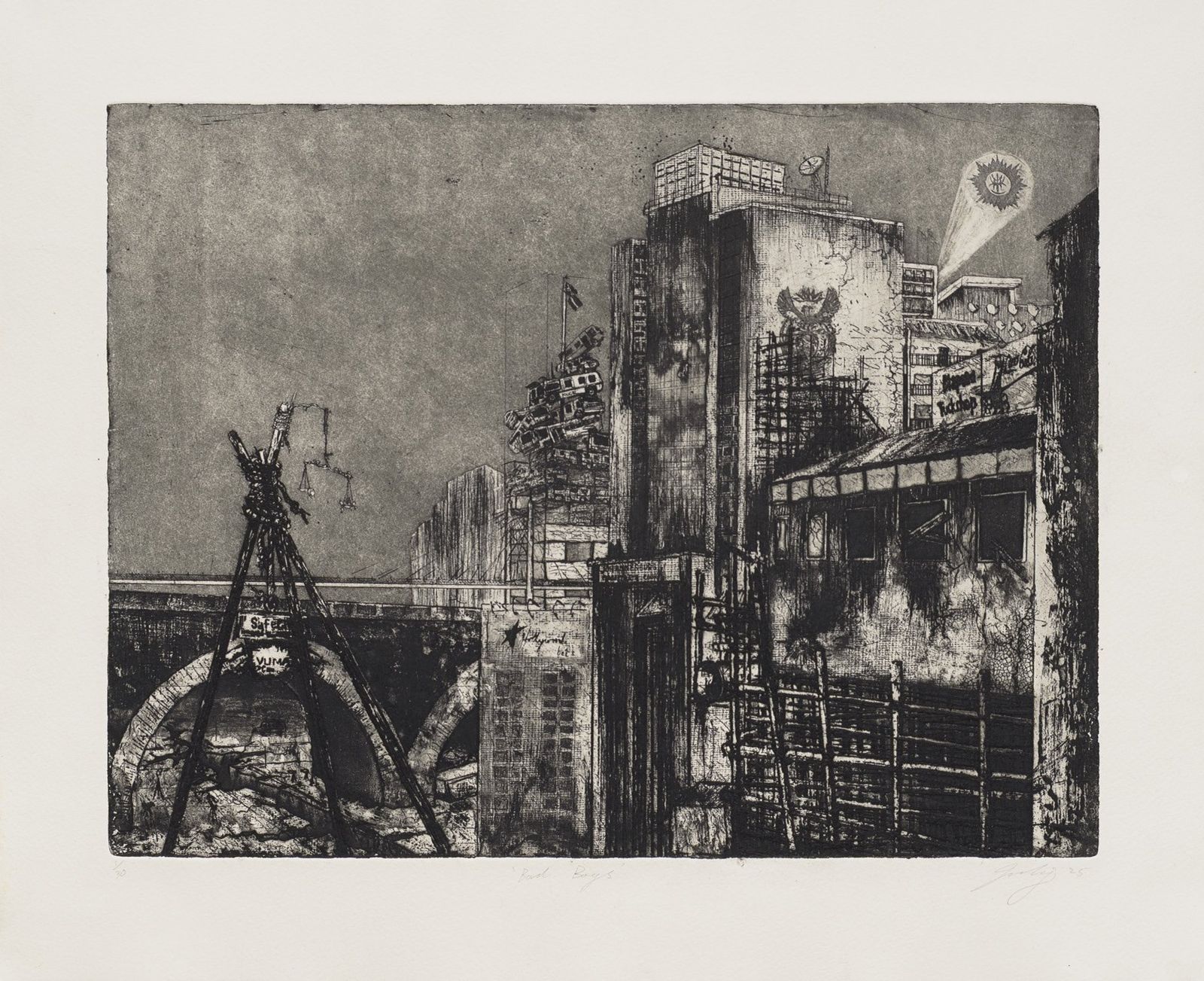
Bad Boys
Joshua Maharaj
R2,900
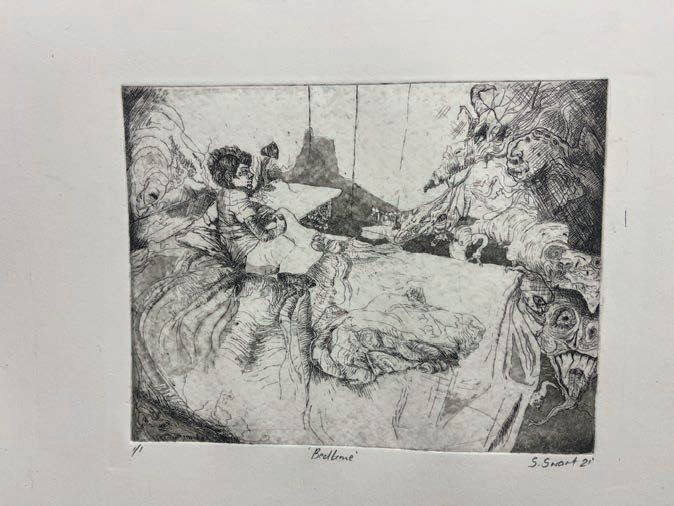
Bedtime
Siobhan Swart
Not currently for sale
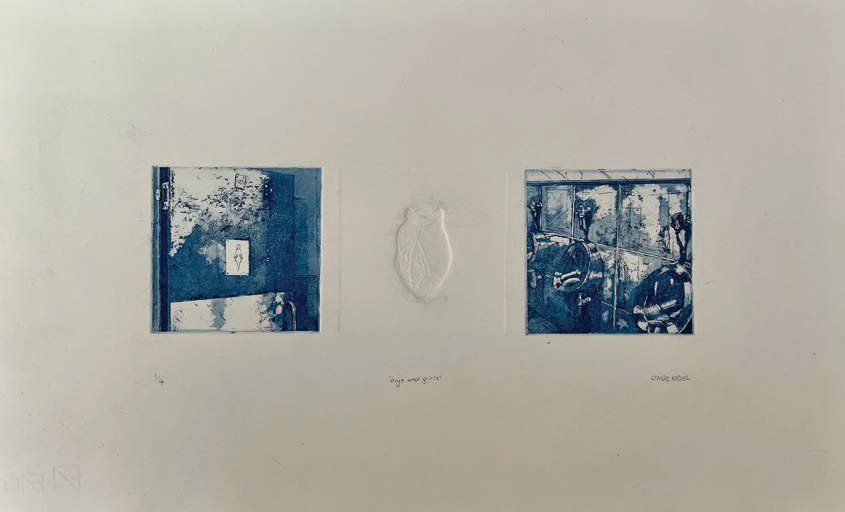
Boys and Girls
Linde Kriel
Not currently for sale
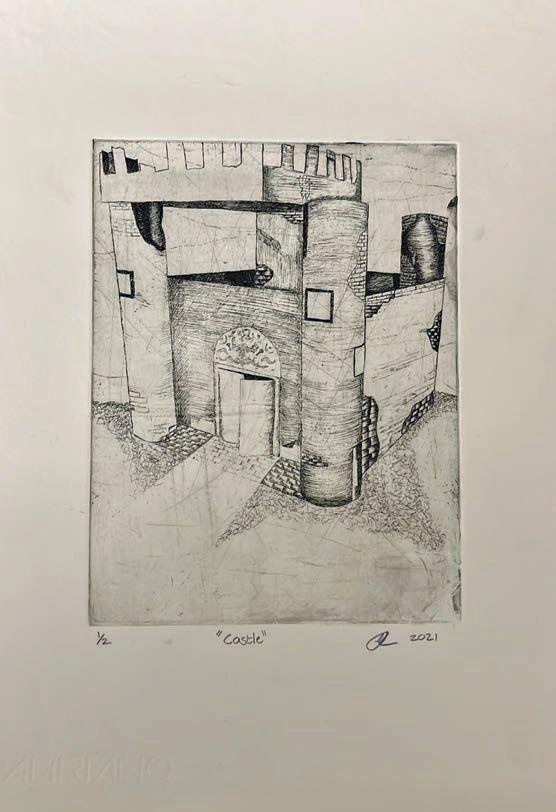
Castle
Chiara Andriana Gagiano
R400
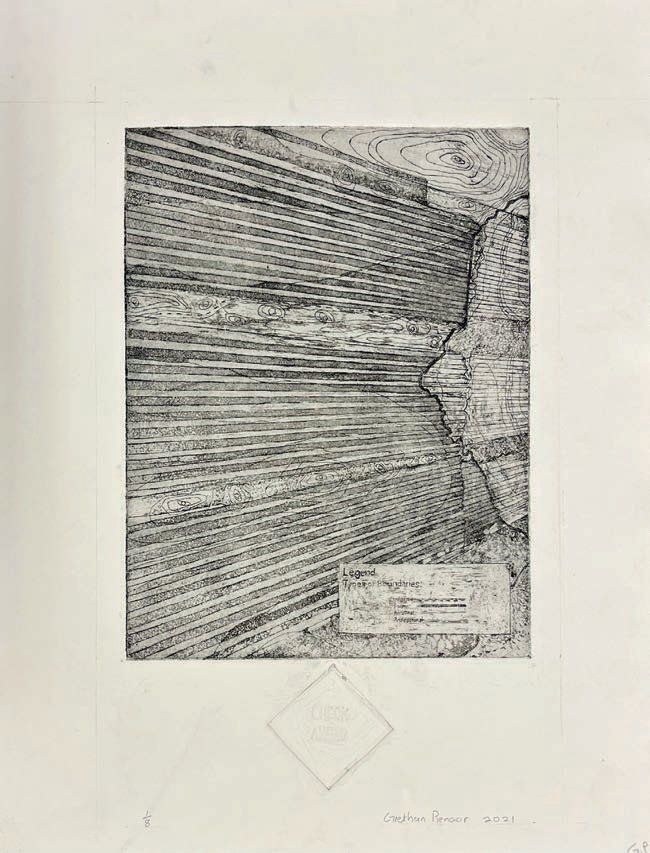
Check Ahead
Grethan Pienaar
Not currently for sale
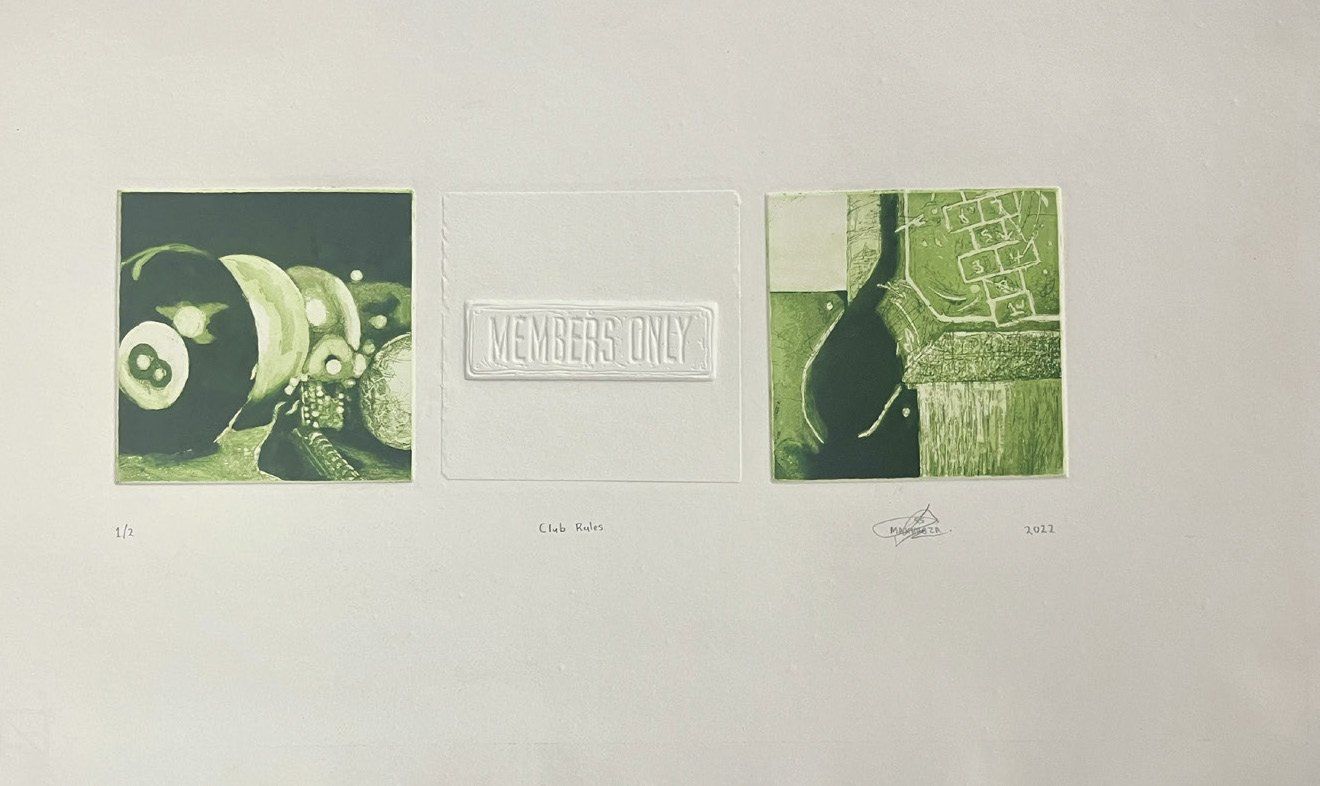
Club Rules
Sithandile Mthembu
R2,020
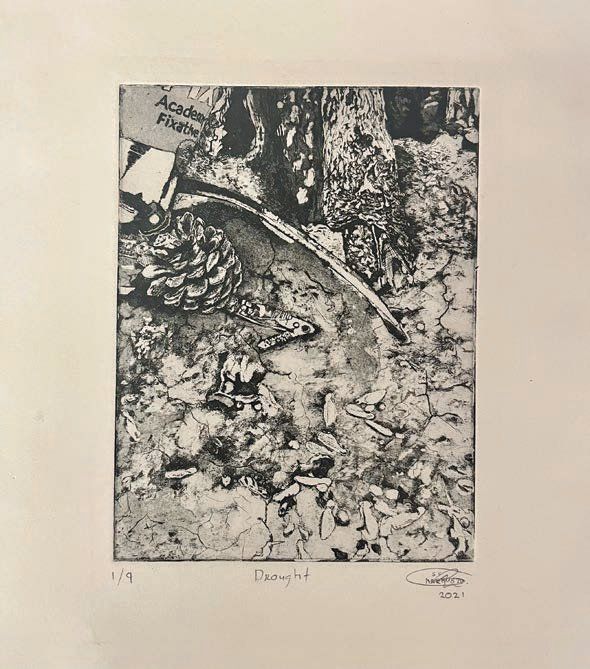
Drought
Sithandile Mthembu
R750
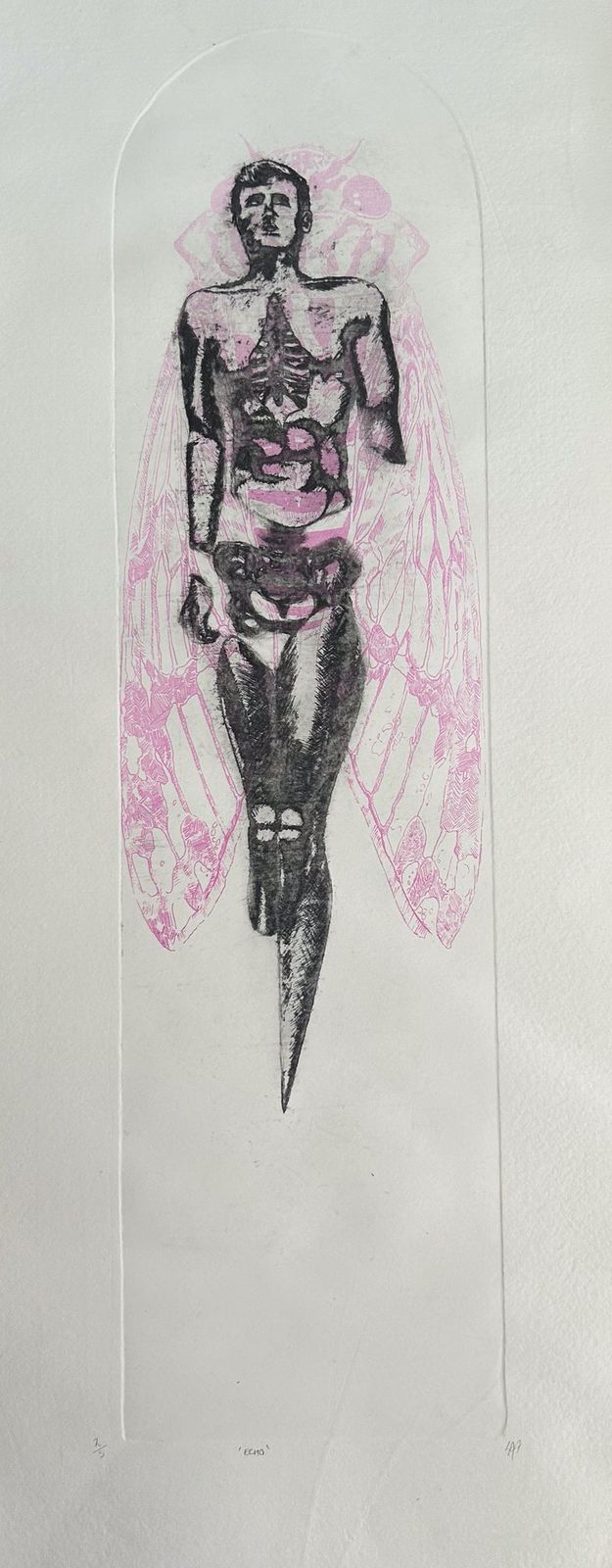
Echo
Lloyd Flanegan
R2,200
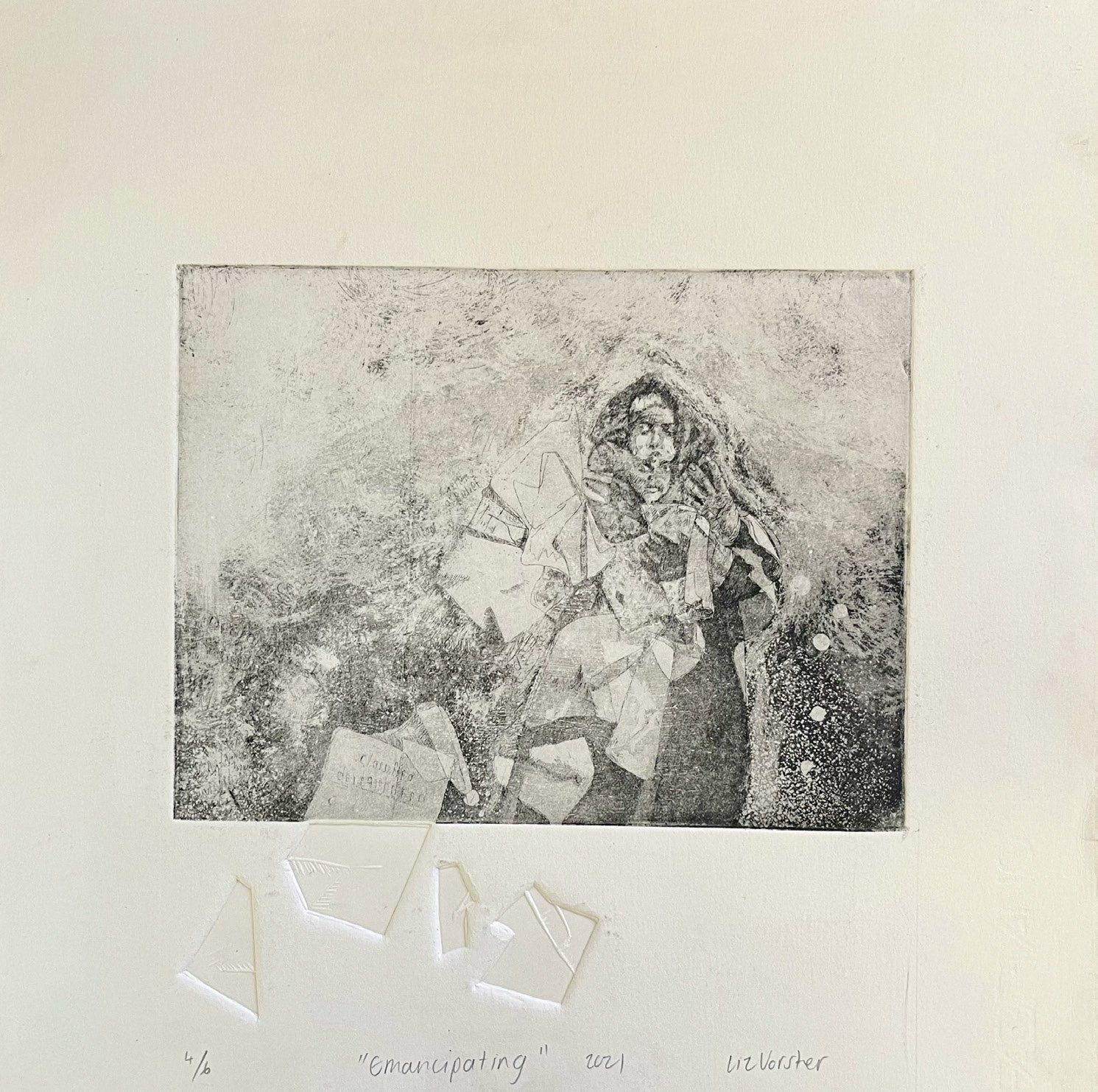
Emancipating
Liz Vorster
R1,450
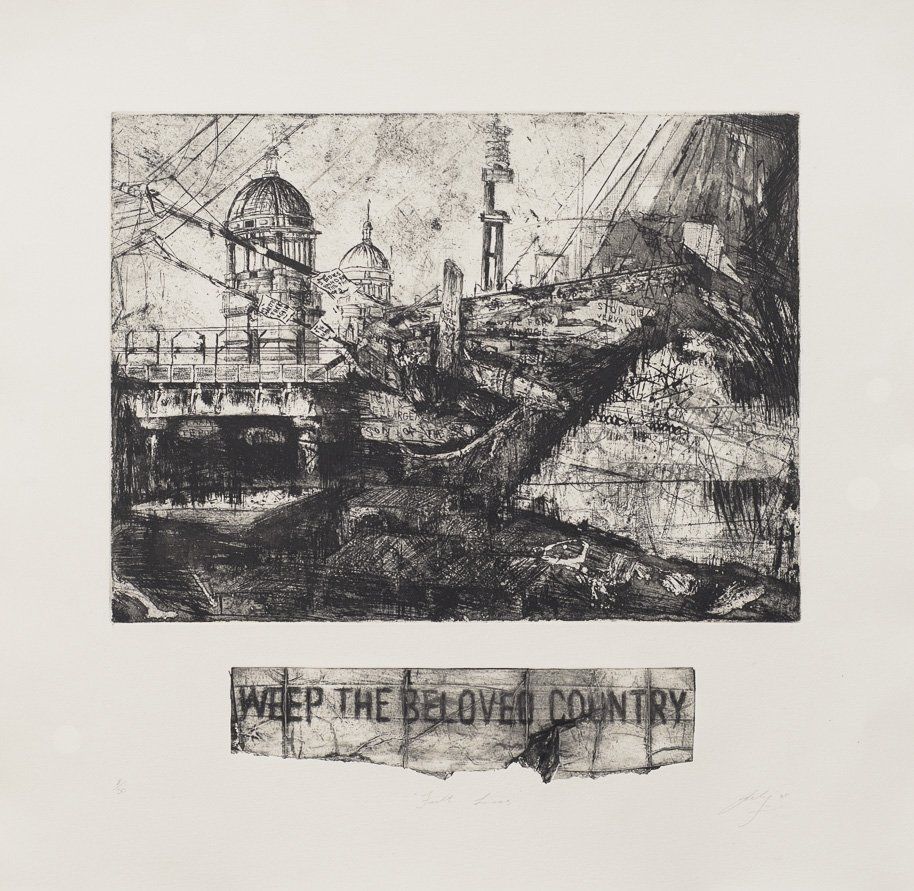
Fault Lines
Joshua Maharaj
R3,200
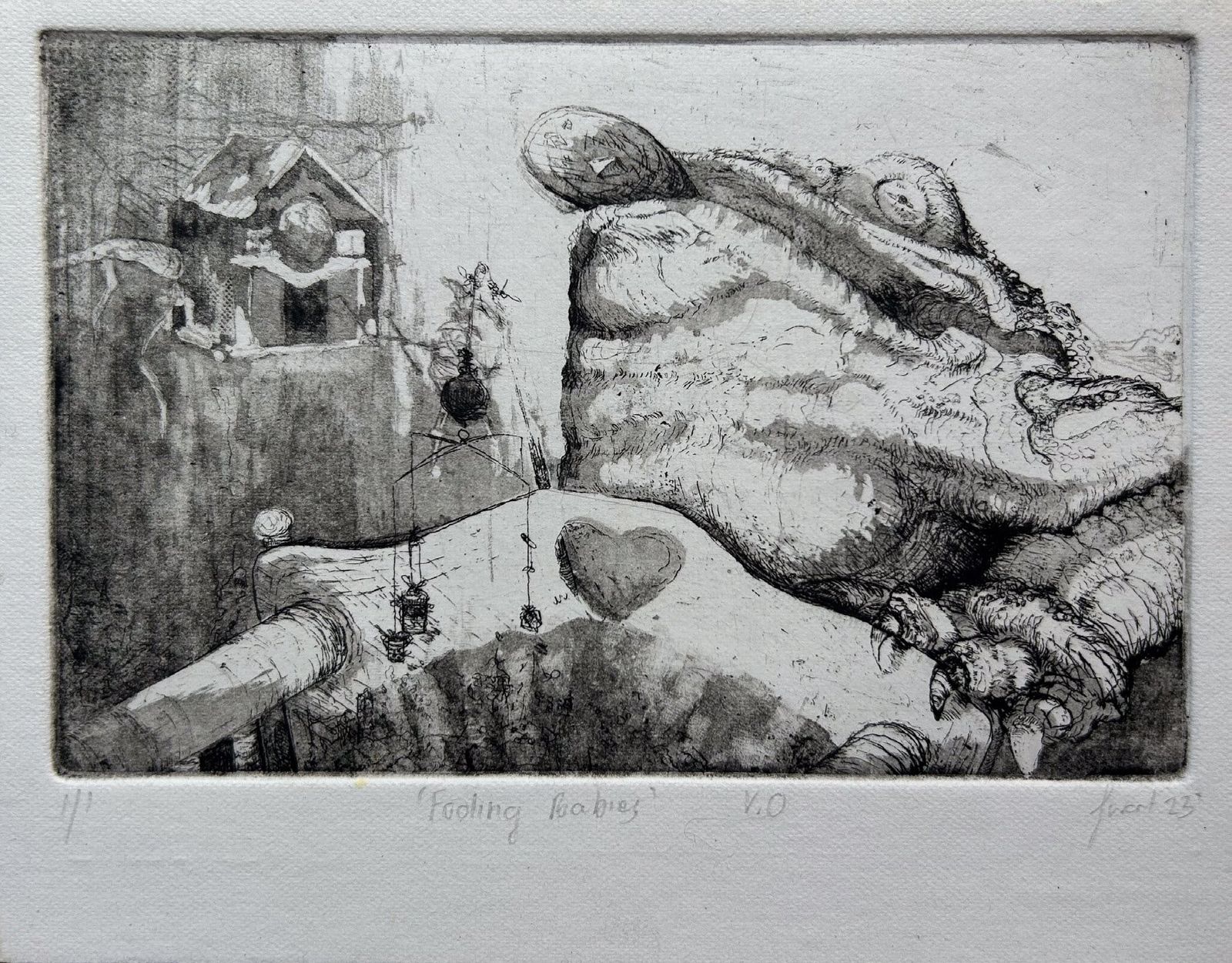

Fooling Babies (VO)
Siobhan Swart
R1,400
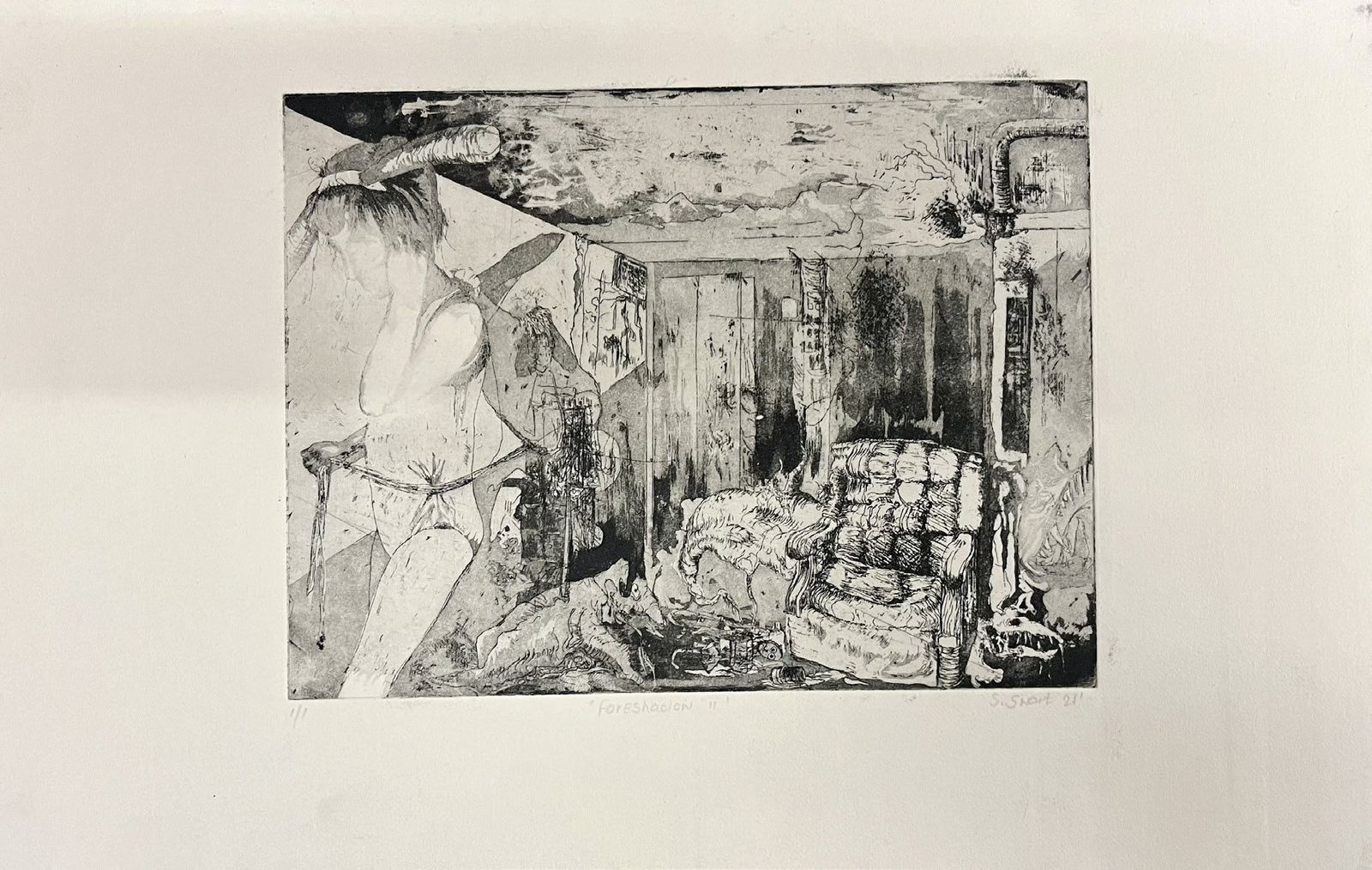
Foreshadow II
Siobhan Swart
R2,150
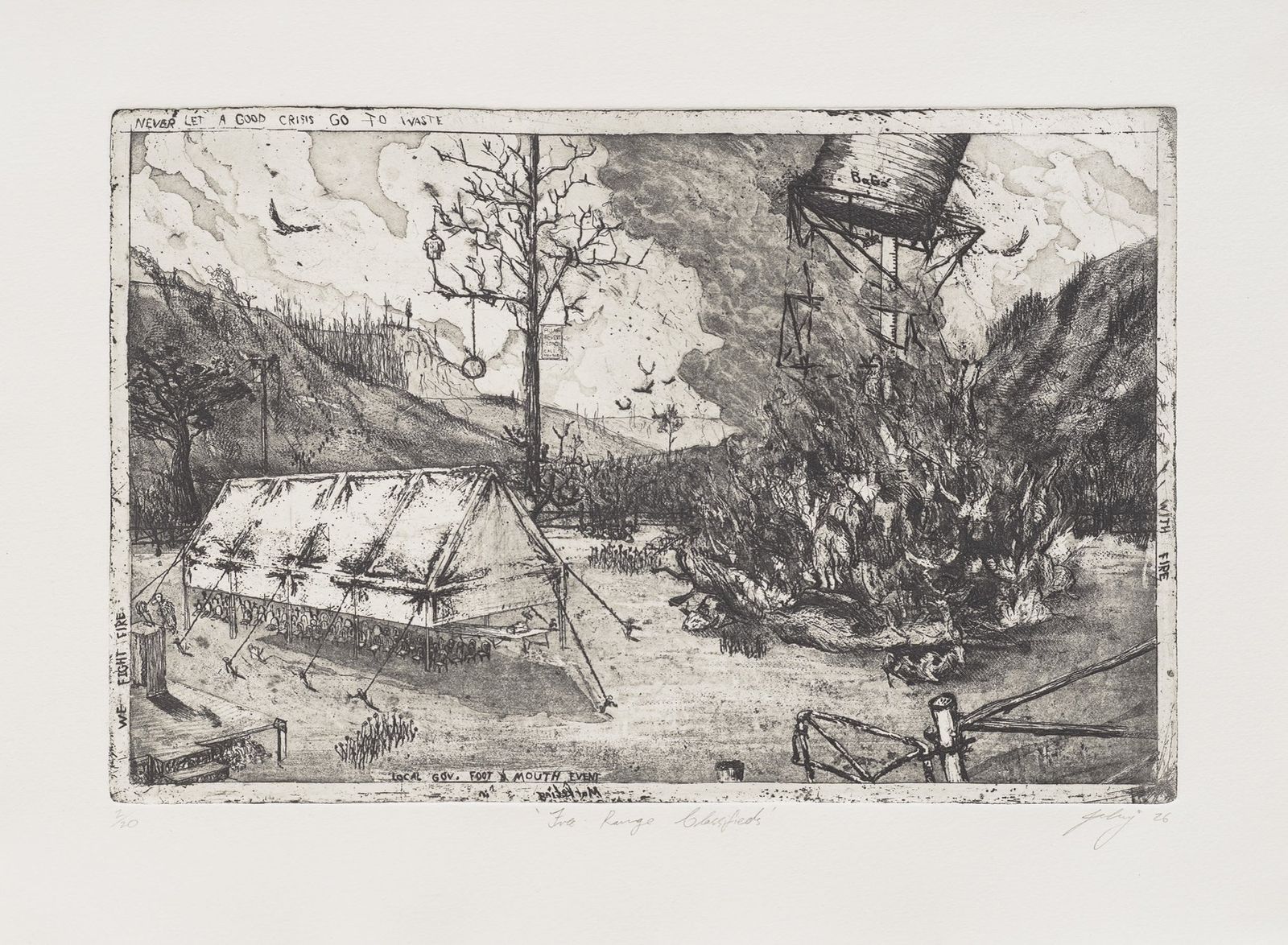
Free Range Classifieds
Joshua Maharaj
R2,500
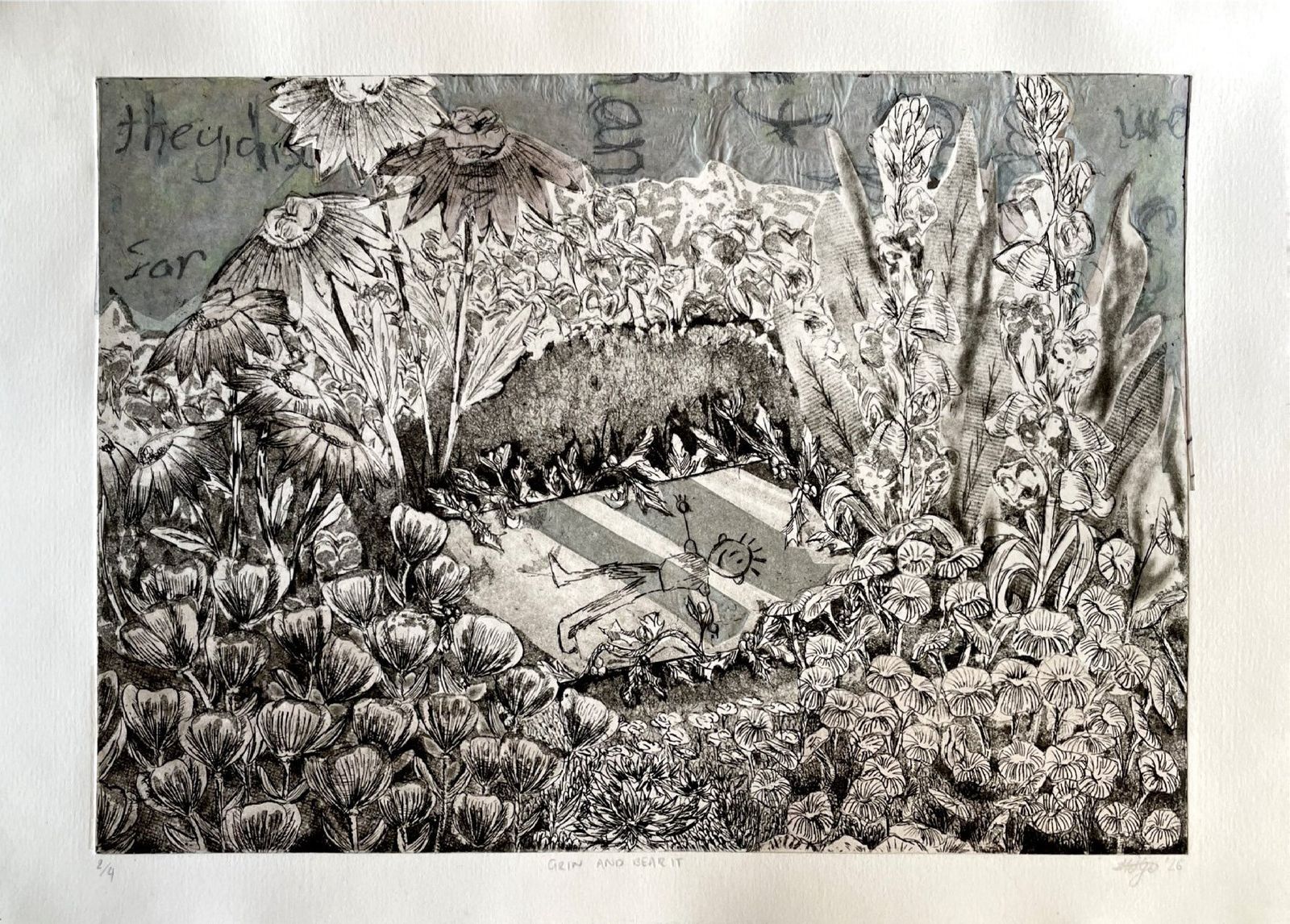
Grin and Bear it
Holly Adams
R1,500
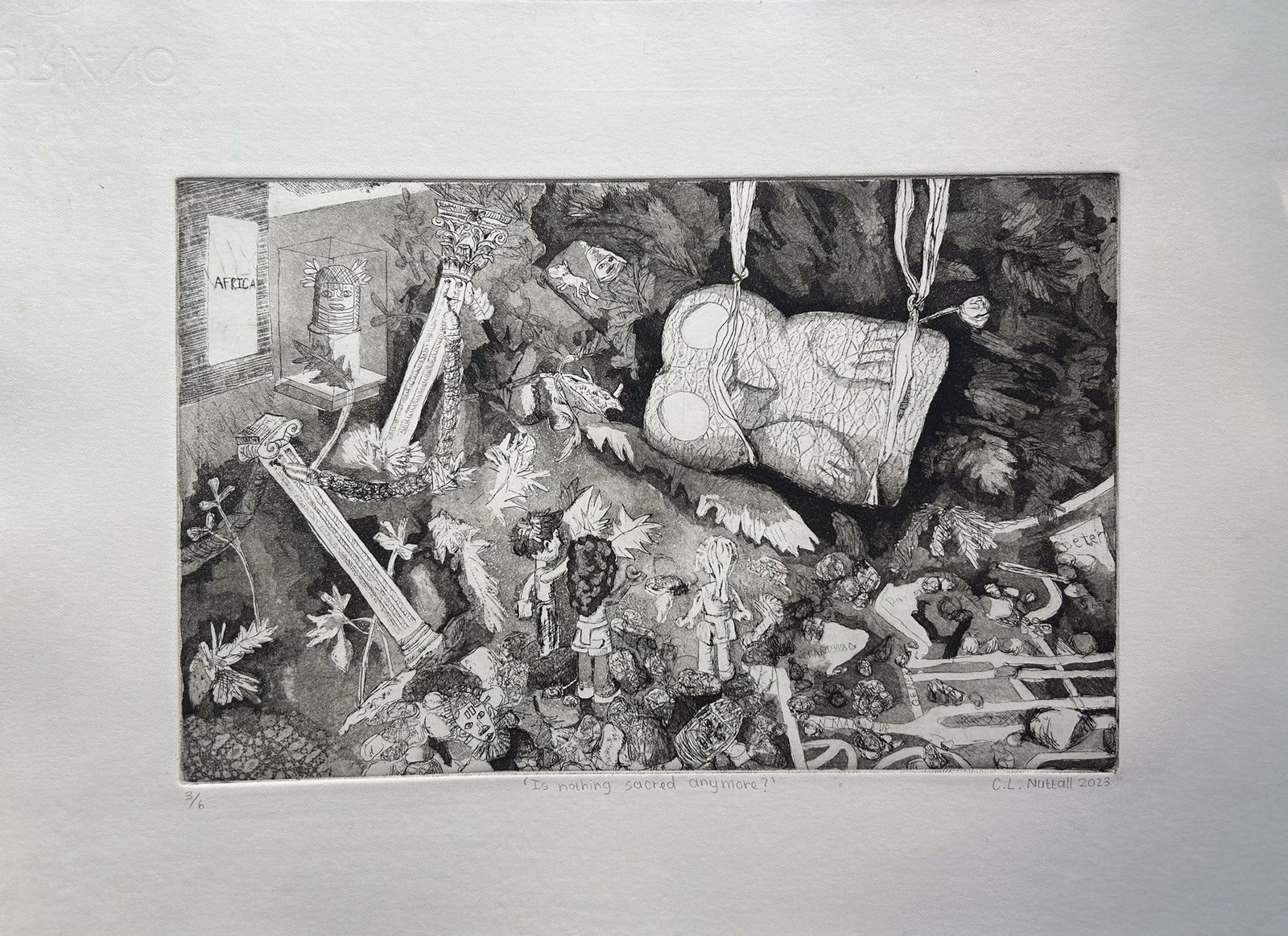
Is nothing sacred anymore?
Cailyn Nuttall
R1,000
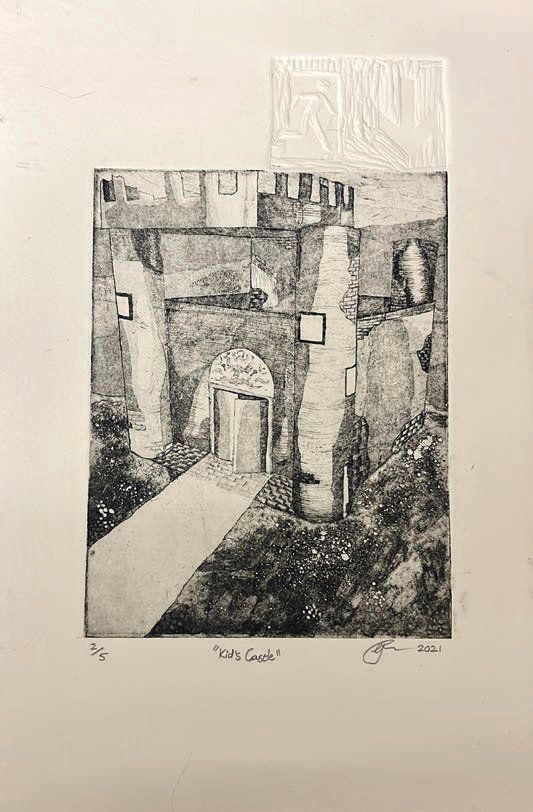
Kids Castle
Chiara Andriana Gagiano
R800
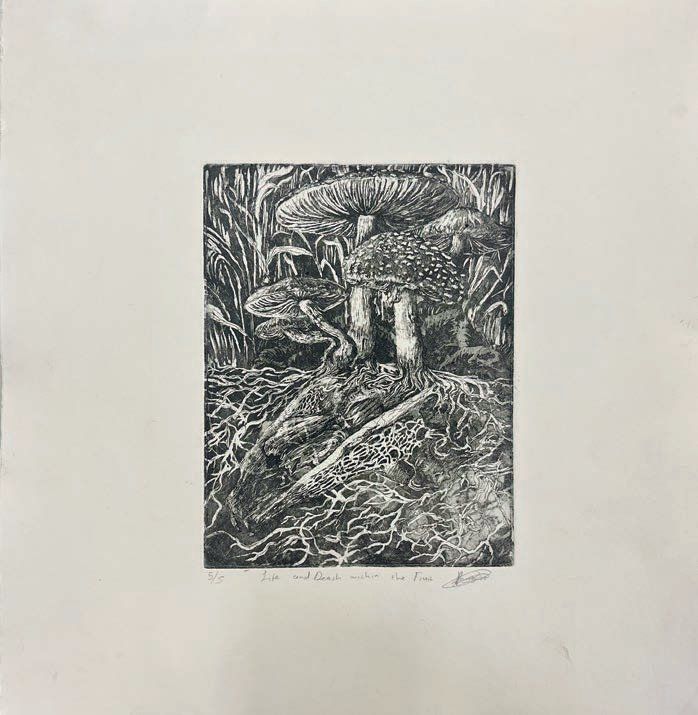
Life and death within the fruit
Shani Burger
Not currently for sale
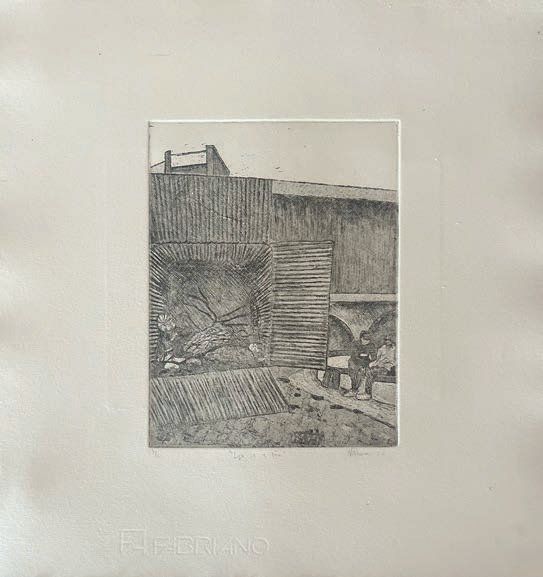
Life in a Box
Tlaleng Mabona
R500
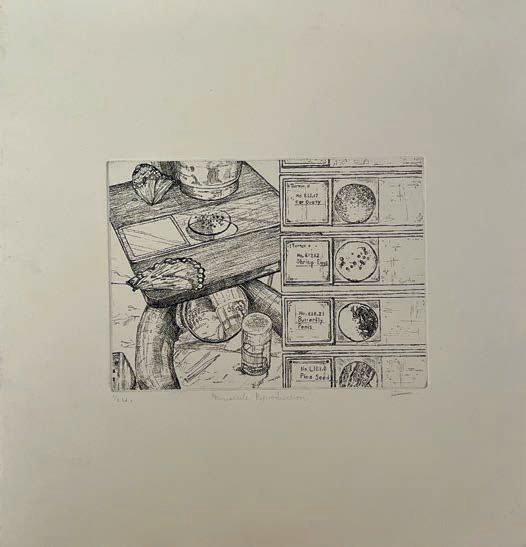
Minuscule Reproduction
Lizka Fouche
R350
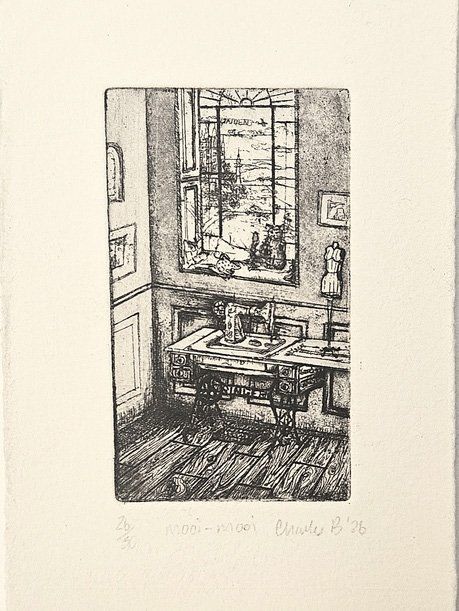
mooi-mooi
Charlie de Bruto
R480
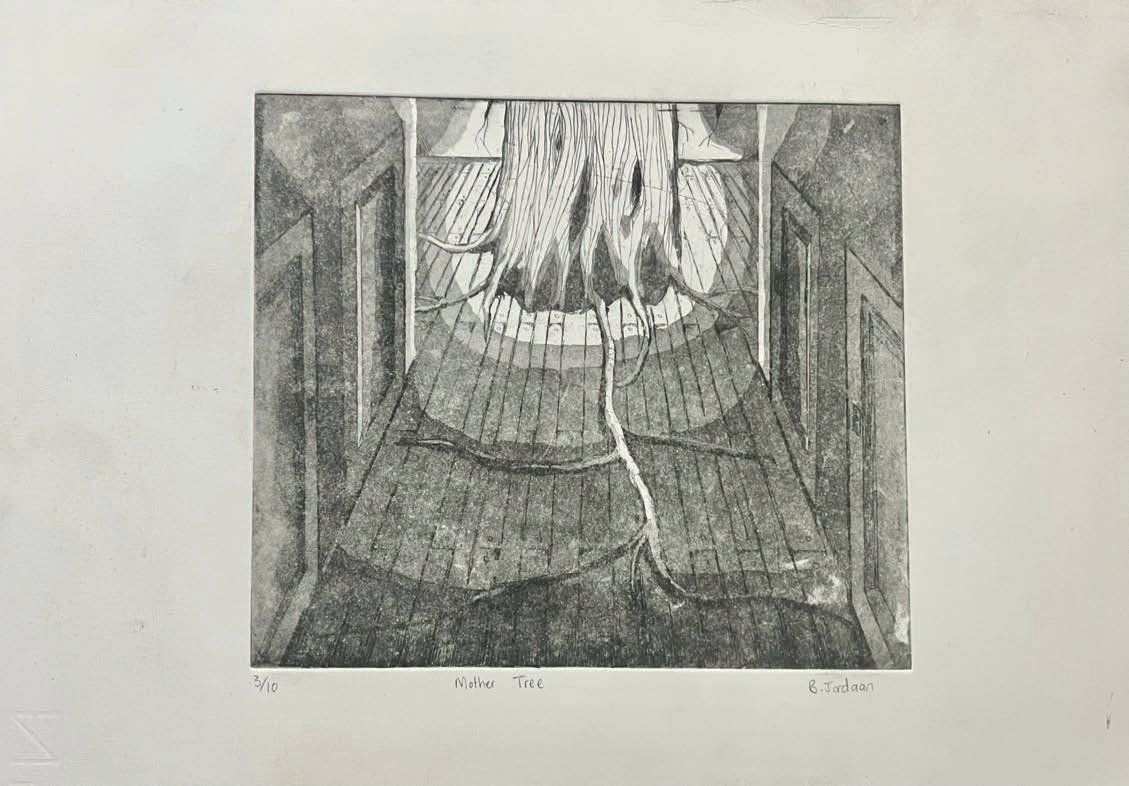
Mother Tree
Beate Maria Jordaan
R800
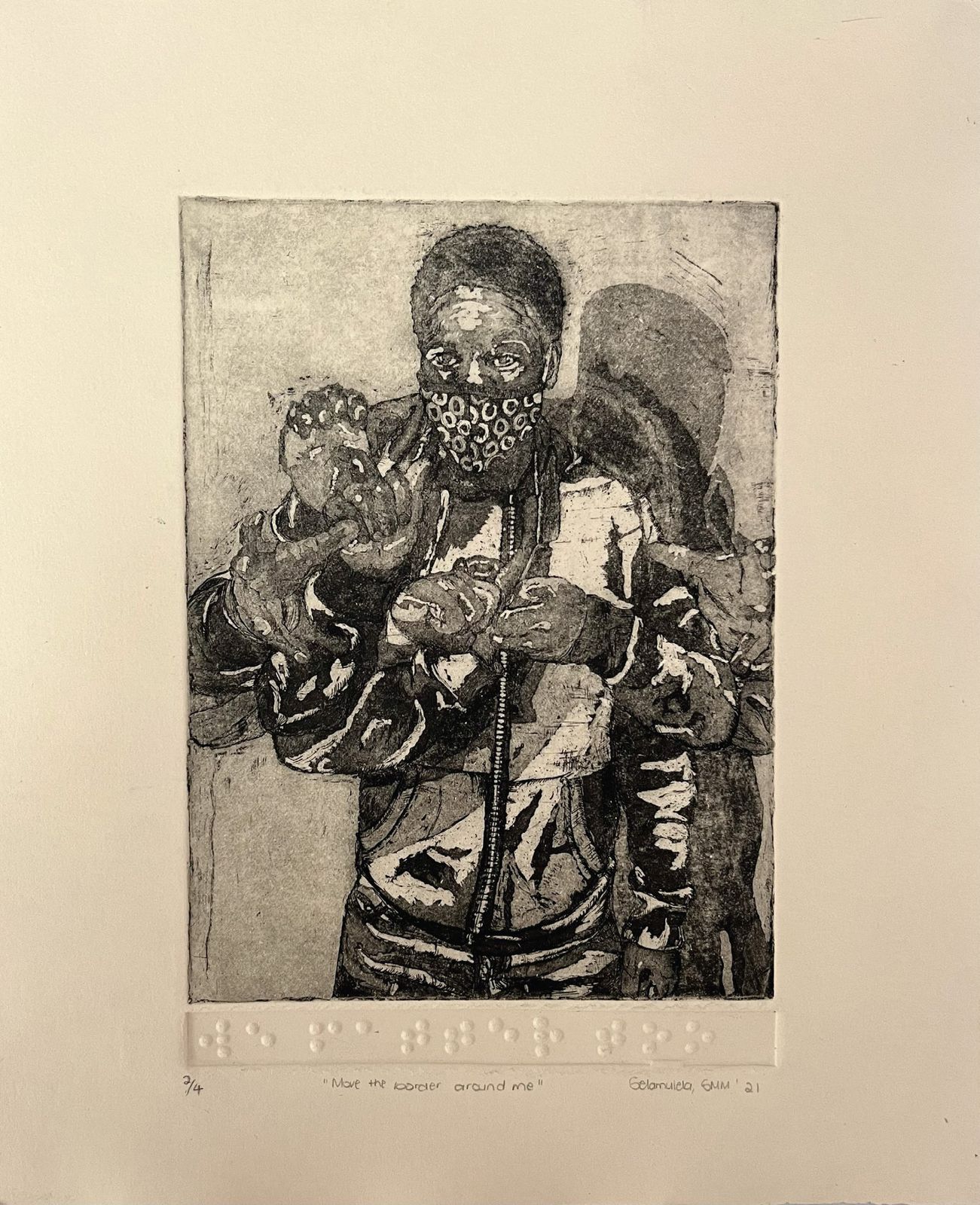
Move the border around me
Sebotse Selamulela
R1,500
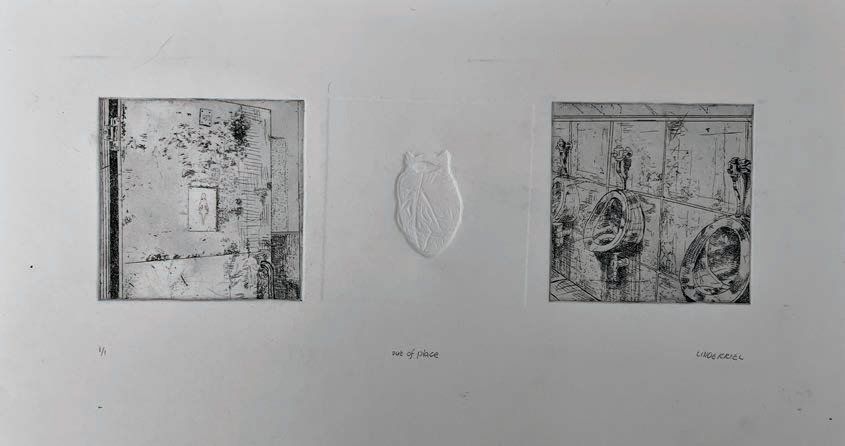
Out of place
Linde Kriel
Not currently for sale
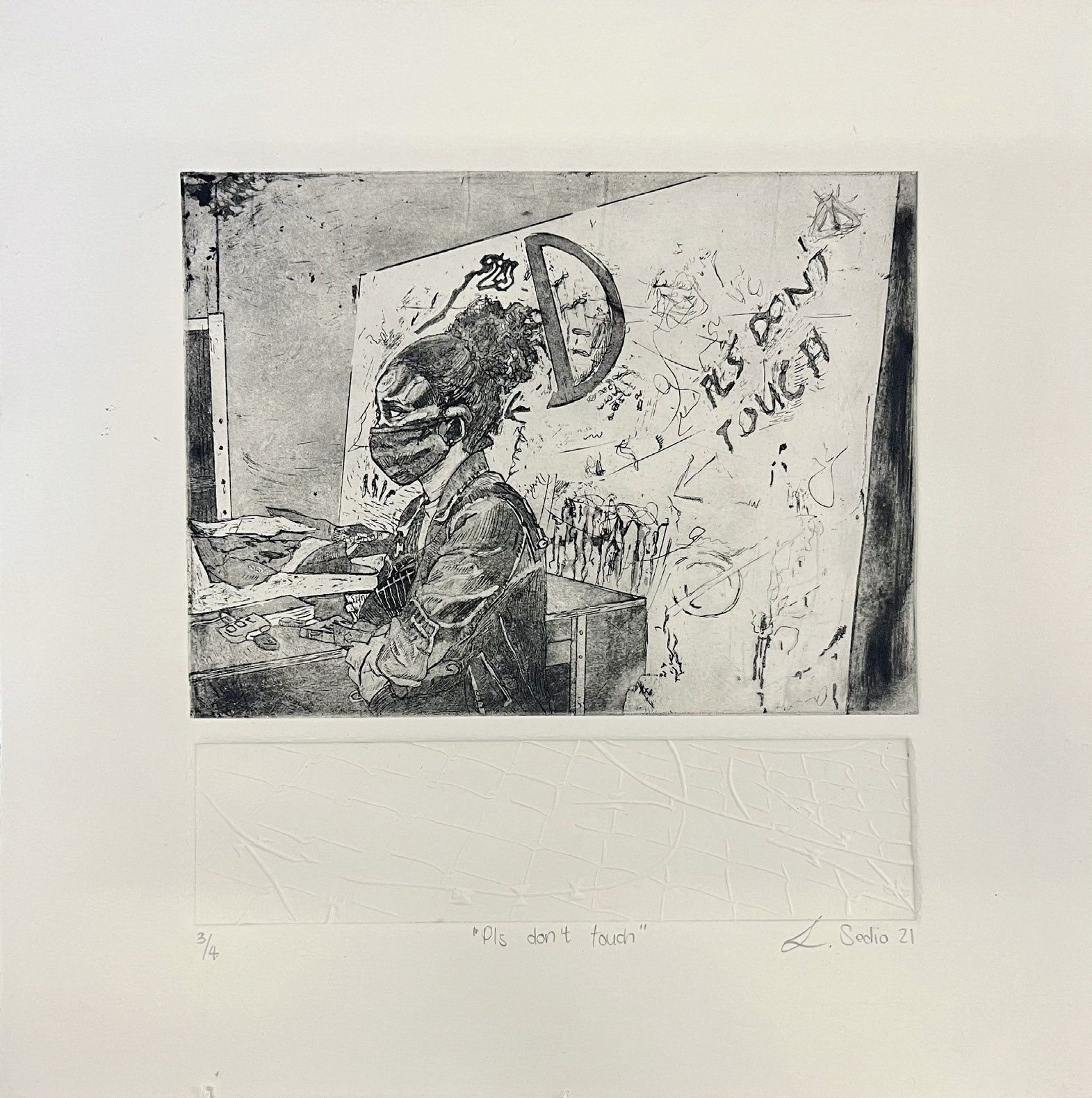
Pls don't touch
Lesego Sedio
R1,500
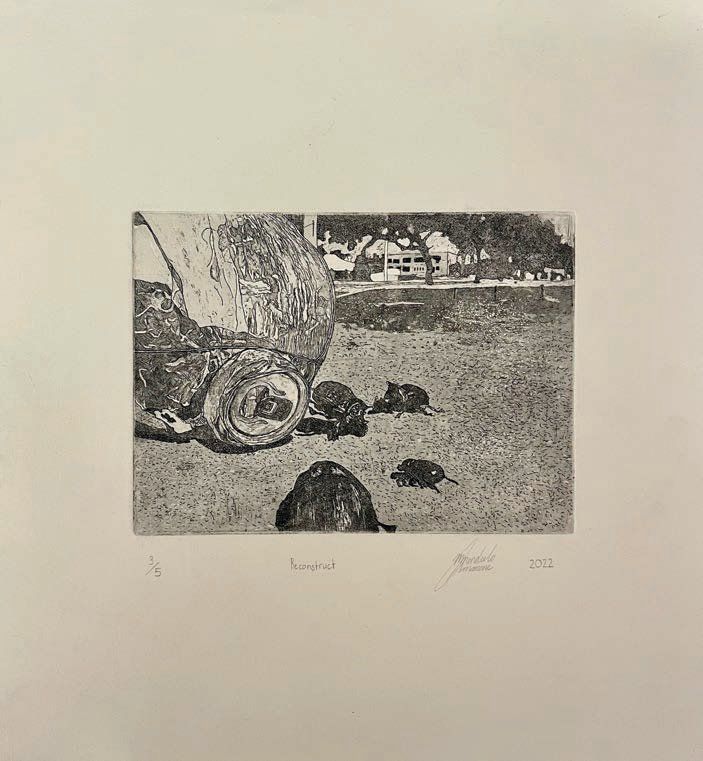
Reconstruct
Mpendulo Simamane
R500
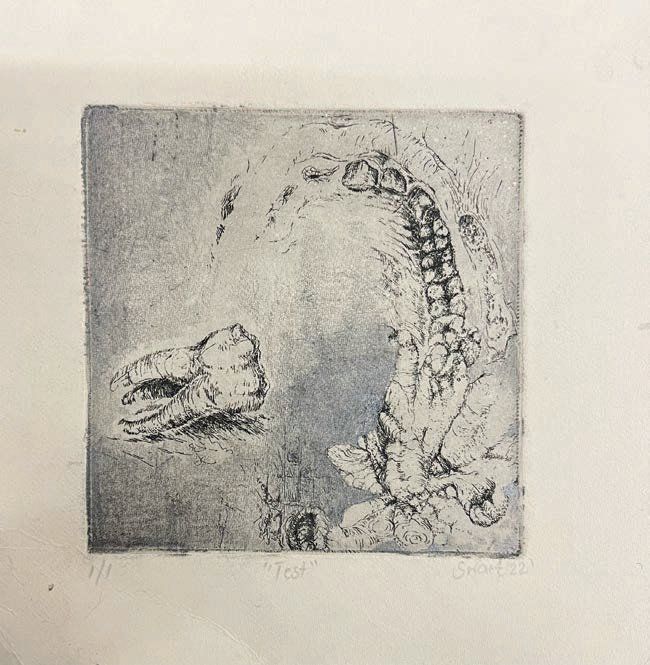
Test
Siobhan Swart
R300
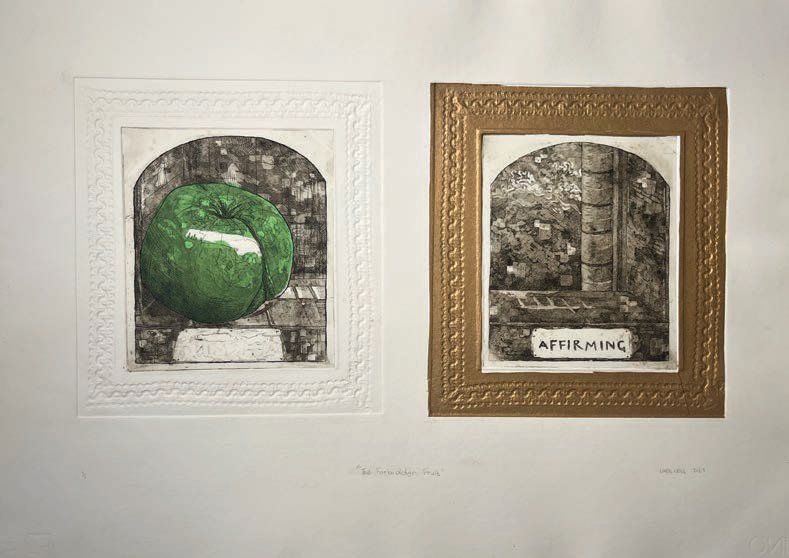
The Forbidden Fruit
Linde Kriel
R800
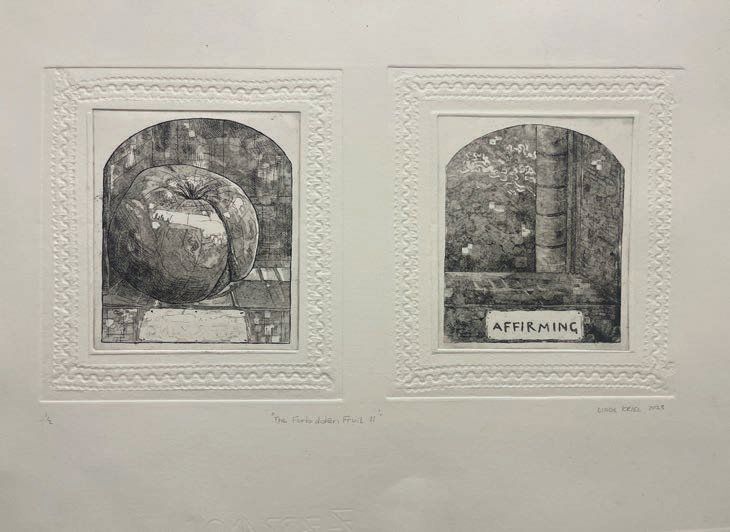
The Forbidden Fruit II
Linde Kriel
R750
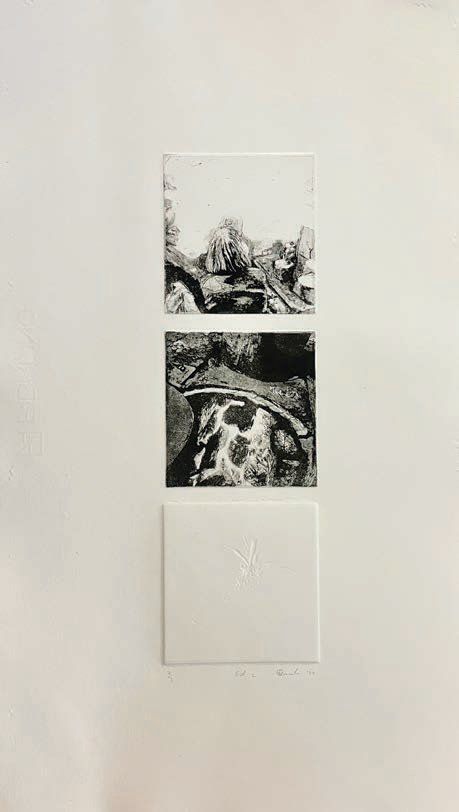
The heart of the house
Helen Stewardson
R800
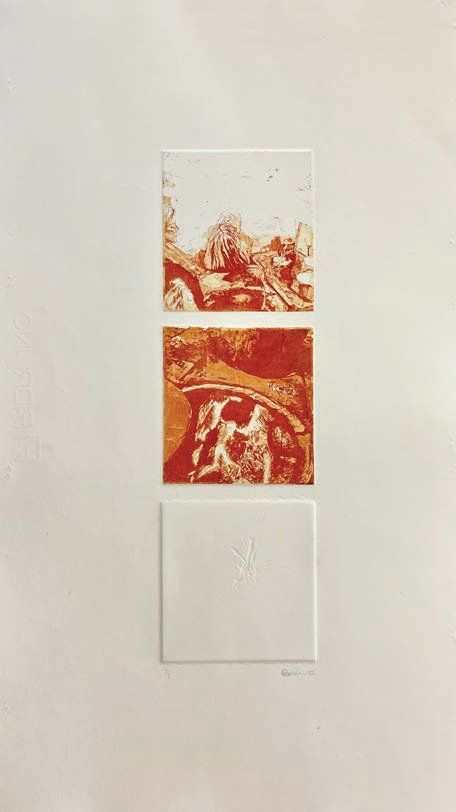
The heart of the house II
Helen Stewardson
R800
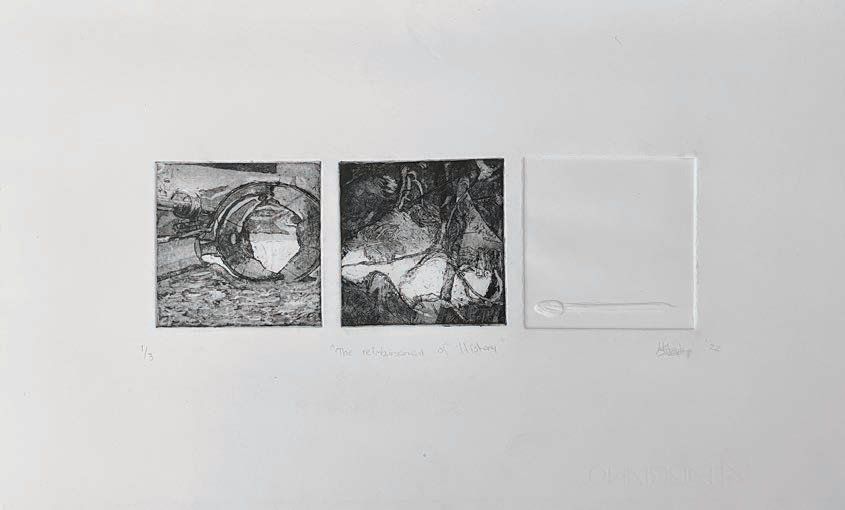
The reimbursement of history
Mikayla Swartz
R1,625
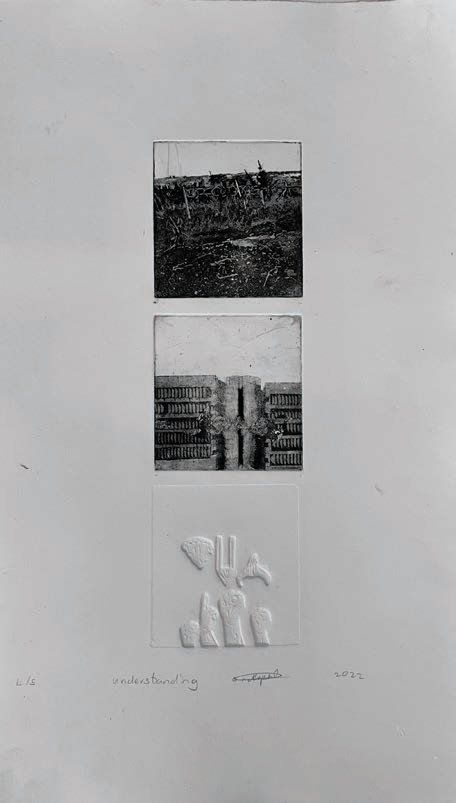
understanding
Ovayo Makapela
R650
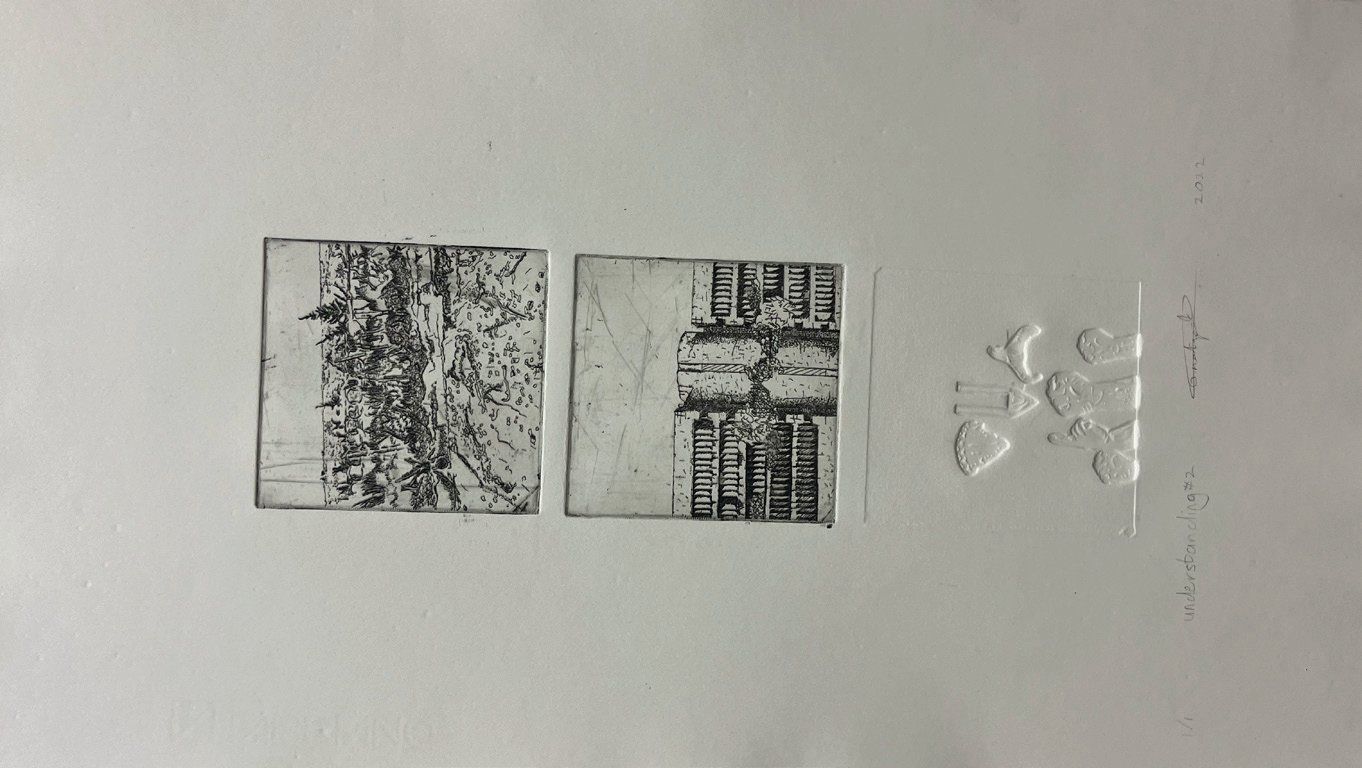
understanding II
Ovayo Makapela
Not currently for sale
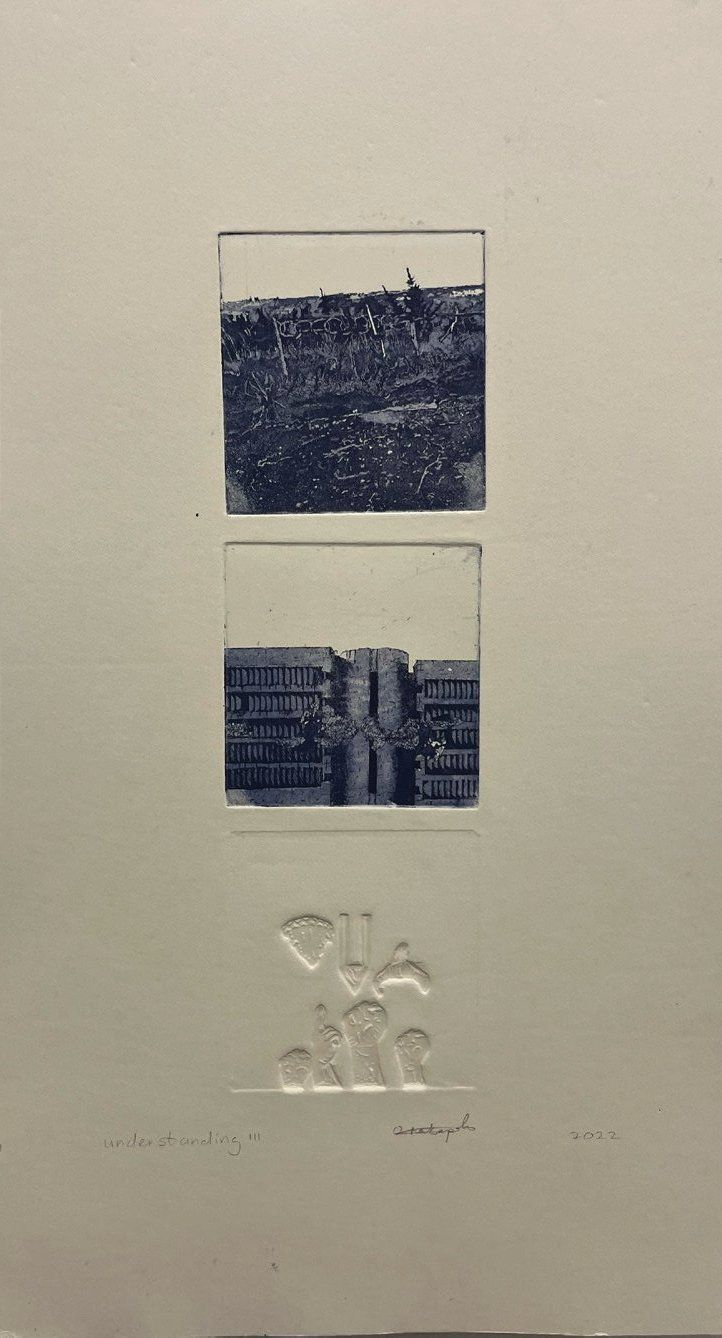
understanding III
Ovayo Makapela
Not currently for sale
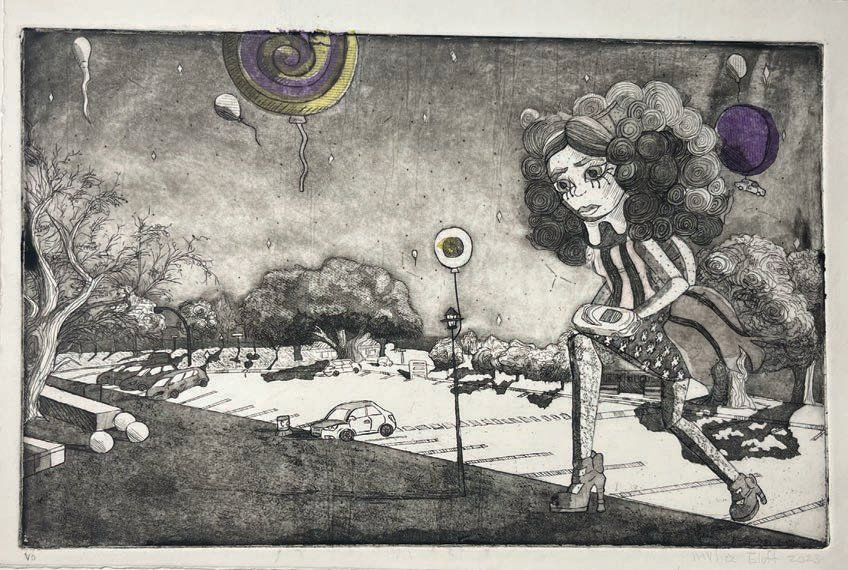
Untitled (copper etch and chine-collé)
Mylize Eloff
R500
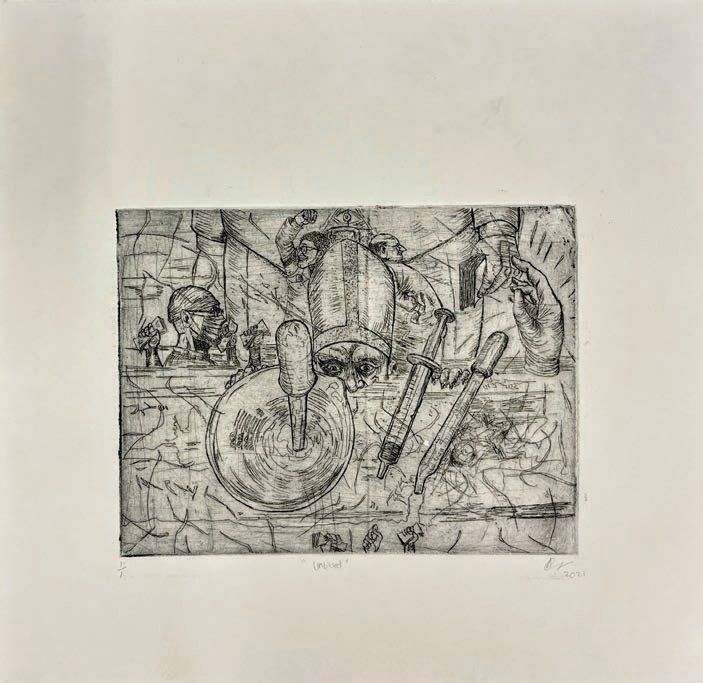
Untitled (copper etch and embossing)
Alex Mahlangu
R500
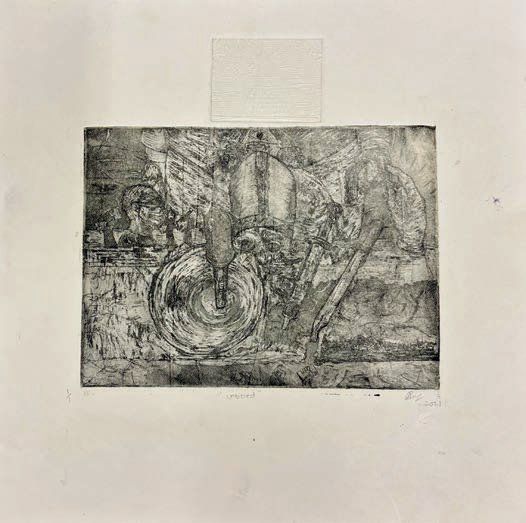
Untitled (copper etch)
Alex Mahlangu
R600
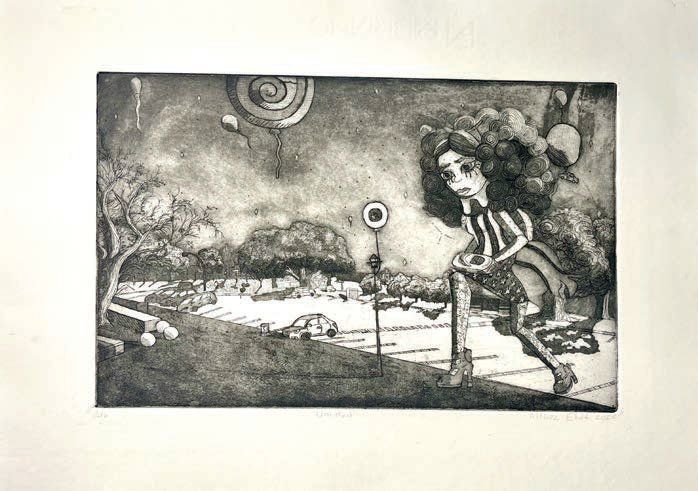
Untitled (copper etch)
Mylize Eloff
R500
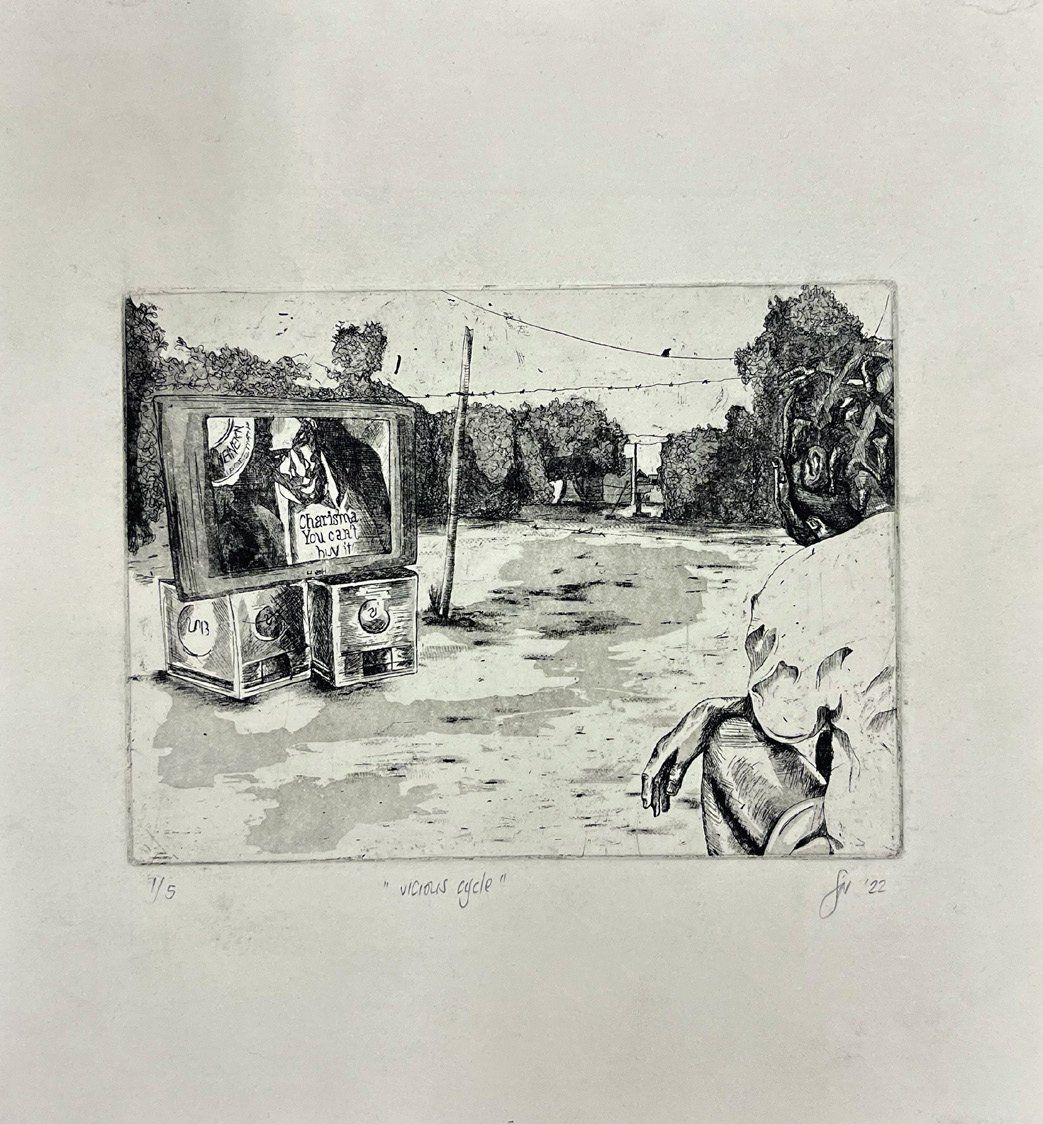
Vicious Cycle
Nthabiseng Seturumane
R1,550
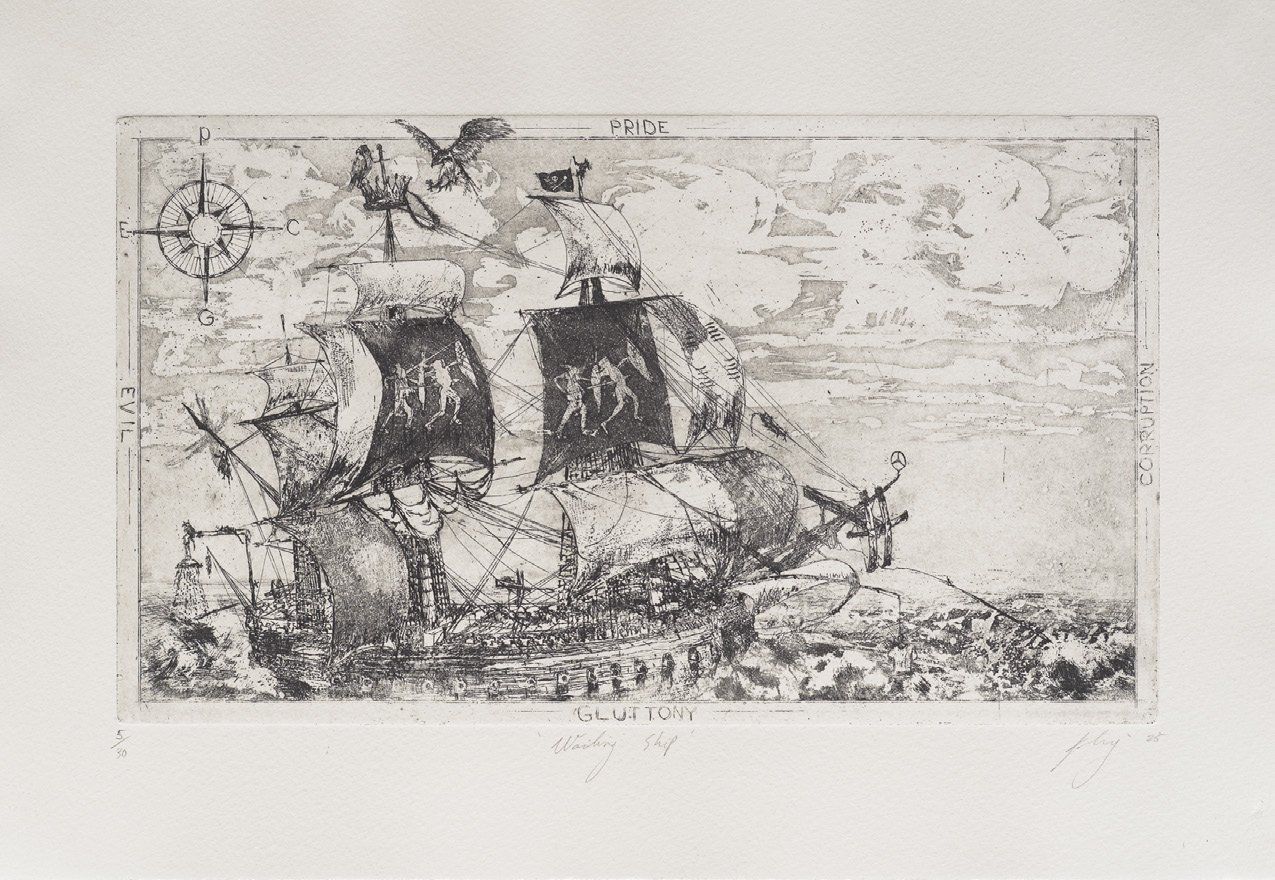
Wailing Ship
Joshua Maharaj
R2,500
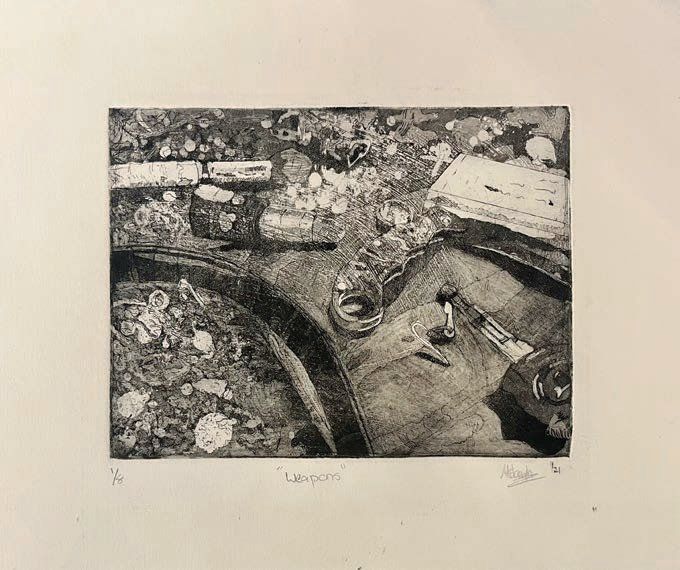
Weapons
Mikayla Swartz
R1,250